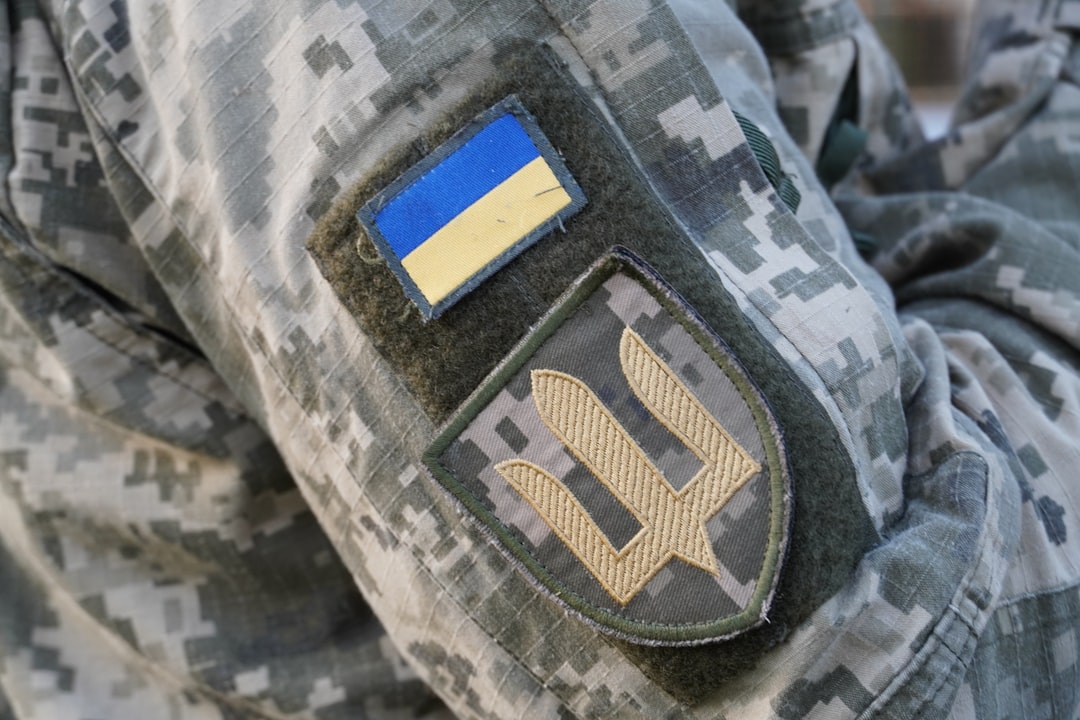
- Ukrainian commander warns of a potential war turning point in mid-2026 due to evolving battlefield conditions.
- Western military aid and Russian troop fatigue are key factors influencing the war’s trajectory.
- Ukraine’s ability to hold ground and counter Russian advances hinges on sustained international support and domestic mobilization.
- A 2026 turning point could signal a reversal or stabilization in the war’s momentum.
- Russia’s capacity to sustain large-scale offensives may wane due to manpower shortages and economic strain.
In a significant assessment of the war’s trajectory, a senior Ukrainian commander has predicted a potential turning point by mid-2026, citing evolving battlefield conditions, Western military aid, and Russian troop fatigue. This outlook, shared exclusively with Reuters, underscores a pivotal moment in the nearly three-year conflict, where Ukraine’s ability to hold ground and counter Russian advances may hinge on sustained international support and domestic mobilization. With Russia maintaining pressure across the eastern front, particularly in Donetsk and Luhansk, the commander’s warning signals growing urgency in Kyiv’s strategy to stabilize defenses and prepare for a possible offensive resurgence—making 2026 a crucial benchmark for the war’s future.
What Would a 2026 Turning Point Mean for Ukraine?

A turning point in mid-2026, as assessed by the Ukrainian commander, implies a potential reversal or stabilization in the war’s momentum, contingent on several interlocking factors. Most critically, it reflects expectations that Western-supplied weapons—including long-range missiles, advanced air defense systems, and armored vehicles—will have fully integrated into Ukraine’s operational planning by then. Simultaneously, the Ukrainian military anticipates that Russia’s capacity to sustain large-scale offensives may begin to wane due to manpower shortages, economic strain, and attrition. The window around 2026 also aligns with projected increases in Ukraine’s domestic defense production and the maturation of newly trained brigades, some supported by NATO-standard training programs. While not a guarantee of victory, this timeframe represents a calculated estimate of when Ukraine might transition from strategic defense to a more assertive posture, assuming continued political and logistical backing from allies.
What Evidence Supports a 2026 Shift?

Recent battlefield trends and intelligence assessments lend credibility to the commander’s forecast. According to data from the Institute for the Study of War, Russian advances slowed significantly in early 2025 despite concentrated efforts in the Donbas, suggesting logistical and manpower constraints. Ukrainian forces have successfully repelled multiple assaults using precision drone strikes and mobile artillery, indicating improved tactical coordination. Additionally, Reuters reporting highlights that Western military packages—particularly from the U.S. and Germany—are now delivering critical systems like F-16 fighter jets and Patriot batteries, which will reach full operational capability by 2026. Ukraine’s Ministry of Defense also reports that defense sector output has tripled since 2022, enabling greater self-reliance. While Russia still holds approximately 18% of Ukraine’s territory, the inability to deliver a decisive breakthrough in 2024–2025 has led some analysts to conclude that the war may be entering a phase of strategic exhaustion for Moscow.
Are There Reasons to Doubt the 2026 Timeline?

Despite the optimism, several experts caution against viewing 2026 as a definitive inflection point. Skeptics argue that Russia has repeatedly demonstrated resilience in protracted conflicts, leveraging its larger population base and expanded defense industry to offset losses. Some military analysts, including those at the Royal United Services Institute, warn that Ukraine’s mobilization challenges—particularly in recruiting younger conscripts—could undermine its ability to field sufficient combat-ready units. Furthermore, political volatility in key Western nations, including the 2024 U.S. presidential election and shifting public opinion in Europe, raises questions about the durability of military aid. As BBC analysis has noted, delays in aid approval have already caused disruptions in Ukraine’s supply chain, weakening frontline readiness. Given these uncertainties, some strategists suggest that the 2026 timeline may be more aspirational than predictive, reflecting a need to maintain morale and international support rather than a concrete military projection.
What Are the Real-World Implications of This Forecast?

Regardless of whether 2026 proves decisive, the commander’s public assessment serves a strategic purpose beyond military planning. By identifying a plausible turning point, Ukraine aims to reinforce donor confidence and counter narratives of inevitable stalemate. For civilians in frontline regions like Kharkiv and Zaporizhzhia, the forecast offers a psychological anchor—a sense that sustained sacrifice may lead to measurable change. On the diplomatic front, it could influence upcoming NATO discussions on membership pathways and long-term security guarantees. Moreover, if Western nations align their aid timelines with Ukraine’s operational milestones, it could lead to more coordinated delivery of weapons and training. Conversely, failure to meet these expectations risks deepening disillusionment, both among Ukrainian troops and the international public, potentially altering the war’s geopolitical calculus in unpredictable ways.
What This Means For You
For global citizens, the 2026 projection is a reminder that the war in Ukraine remains a dynamic, evolving crisis with far-reaching implications for energy markets, food security, and global alliances. The outcome will depend not just on battlefield results but on the sustained political will of democracies to support a nation under siege. While no single date guarantees victory, the focus on 2026 highlights a broader truth: modern warfare is as much about endurance and supply chains as it is about tactics. As donors and policymakers weigh their commitments, the world will be watching whether collective resolve can match the scale of the challenge.
Will Ukraine’s 2026 turning point materialize, or will the war settle into a prolonged, frozen conflict? The answer may hinge not just on military gains, but on whether democratic nations can maintain unity in the face of war fatigue and geopolitical competition.
Source: Reuters