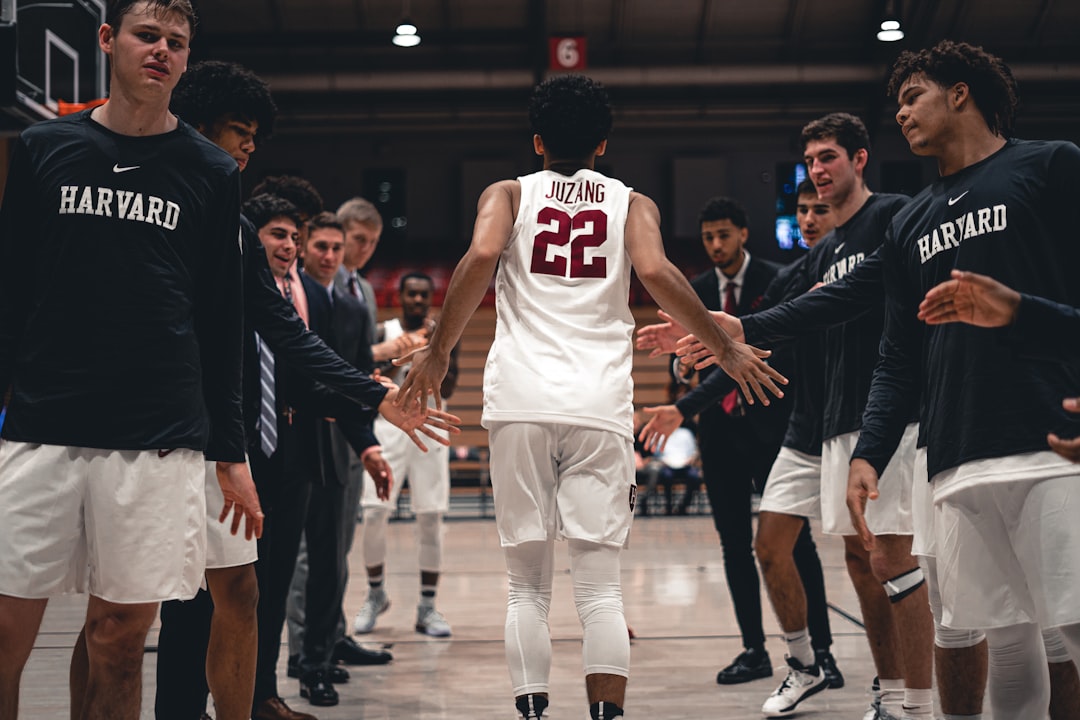
- Stephon Castle faces uniquely grueling defense from the Oklahoma City Thunder’s summer league team.
- Oklahoma City’s defense forces opponents into uncomfortable positions, limiting their ability to respond.
- League rules prevent Stephon Castle from playing with the same level of physicality on offense.
- Summer league play has evolved into a barometer of organizational culture and developmental philosophy.
- The Thunder’s defensive approach reflects a broader trend in the NBA, using summer competition for evaluation and identity instillation.
UConn rookie and 2024 NBA Draft lottery pick Stephon Castle has voiced concerns over the physical demands of facing the Oklahoma City Thunder’s summer league team, describing their defensive approach as uniquely grueling. Speaking candidly after a recent matchup, Castle noted that the Thunder’s aggressive, disciplined defense forces opponents into uncomfortable positions, limiting their ability to respond in kind. He emphasized that while he’s committed to playing through the intensity, the level of physicality Oklahoma City sustains on defense is rare—and difficult to counter when league rules prevent reciprocal roughness on offense. The comments have sparked broader discussion about player development, physicality in summer league, and how contenders are setting early tone.
Why This Matters Now

The conversation around summer league play has evolved from mere exhibition to a barometer of organizational culture and developmental philosophy. Oklahoma City’s summer squad, much like their NBA counterpart, plays with relentless defensive energy, a carryover from head coach Mark Daigneault’s system that prioritizes switchability, ball pressure, and physical disruption. For rookies like Stephon Castle, thrust into this environment, the experience is both formative and punishing. The Thunder’s approach reflects a broader trend in the NBA: using summer competition not just for evaluation, but to instill identity. Castle’s remarks underscore how even elite college athletes can be unprepared for the professional standard of defensive continuity and physical toll—particularly when such physicality is one-sided due to officiating tendencies that protect offensive players.
A Closer Look at OKC’s Defensive Identity

The Oklahoma City Thunder’s summer roster, led by prospects like Nikola Topić and Ousmane Dieng, has mirrored the NBA team’s top-ranked defensive intensity from the 2023–24 season. Their scheme emphasizes early help, aggressive closeouts, and body contact within legal limits—tactics that disrupt rhythm and force turnovers. Unlike many summer teams that prioritize scoring chances and individual play, OKC’s staff enforces structure, accountability, and defensive rotations, making their games unusually competitive. This disciplined approach has drawn notice across the league, with scouts citing the Thunder’s summer performances as evidence of their strong developmental pipeline. For opponents, especially rookies adjusting to NBA speed and physicality, facing this system is a steep learning curve. Castle, known for his two-way potential at UConn, found himself consistently pressured, a testament to OKC’s commitment to defensive excellence even in informal settings.
Analysis: The Physicality Gap in Summer League

Castle’s observation—that teams can’t respond physically on offense—touches on a well-known imbalance in summer league officiating. While defensive players are allowed significant leeway in body contact to simulate real NBA intensity, referees routinely call charges, illegal screens, and offensive fouls to protect young players from injury and promote clean play. This creates a one-way street: defenders can press, bump, and contest aggressively, but offensive players risk turnover or foul trouble if they attempt to match that physicality. Analysts point to this as both a safety measure and a developmental hurdle. As NBA officiating guidelines stress player safety during developmental events, teams like OKC are effectively exploiting the rules to build defensive toughness. The result? Rookies like Castle are forced to adapt not just to speed and skill, but to sustained physical pressure without the tools to push back—an experience that mirrors real playoff intensity, albeit with skewed enforcement.
Implications for Rookie Development

Castle’s comments highlight a growing challenge in rookie integration: preparing players for physical NBA defenses without exposing them to injury in developmental leagues. Players coming from college programs, where physicality is regulated differently, often face a shock when encountering the sheer consistency of professional defensive pressure. The Thunder’s approach may accelerate growth for their own prospects, but it also risks discouraging or overwhelming opponents still learning the game’s nuances. Moreover, the imbalance in permissible contact could skew performance metrics—players might appear less effective not due to skill deficit, but because they’re navigating a physically taxing environment with one hand tied behind their back. For teams drafting players like Castle, the summer league gauntlet serves as a stress test, revealing not just talent but resilience, adaptability, and defensive IQ.
Expert Perspectives
Former NBA assistant coach and player development specialist Pete Gillen told The Ringer that controlled physicality in summer league is essential but must be balanced. “You want rookies to learn how to fight through screens, handle pressure, and stay disciplined,” he said. “But if only one side is allowed to be physical, you’re not simulating real basketball—you’re creating a defensive boot camp.” Conversely, some evaluators argue that enduring such adversity is part of the transition. “The league is physical,” said ESPN analyst Tim Bontemps. “If you can’t handle OKC’s summer team, how will you handle Miami or Boston in January?”
Looking ahead, the NBA may need to revisit how physicality is managed in developmental leagues to ensure fair evaluation and player growth. For Stephon Castle, the experience offers a preview of the challenges ahead in his rookie season with the San Antonio Spurs. As OKC continues to build one of the league’s most formidable defensive cultures, their summer dominance sends a message: identity starts early, and toughness is non-negotiable. Fans and analysts alike will watch how players like Castle adapt—and whether other teams follow Oklahoma City’s lead in treating summer basketball as more than just a showcase.
Source: Streamable