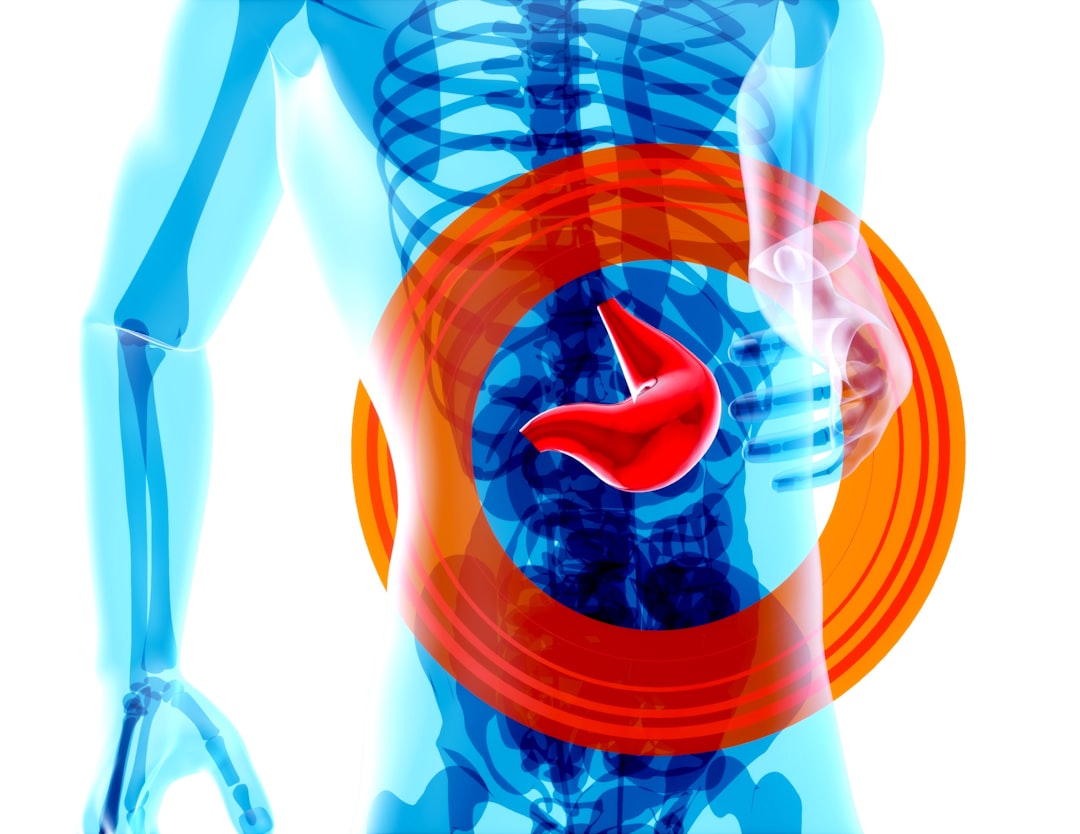
- Researchers at UC San Diego have developed ION224, a promising new drug targeting MASH, a severe form of fatty liver disease.
- ION224’s mechanism involves blocking a liver enzyme that contributes to fat buildup and inflammation within the liver.
- MASH is a growing global health concern, potentially leading to liver failure, cancer, and death if untreated.
- Current treatments for fatty liver disease are often limited to lifestyle changes, which can be difficult for patients to sustain.
- Early clinical trials of ION224 have shown significant improvements in liver health, offering hope for a more effective treatment.
Scientists at the University of California, San Diego, have unveiled a potentially game-changing treatment for MASH, a severe fatty liver disease affecting millions worldwide. The experimental drug, ION224, has shown striking improvements in liver health in clinical trials, offering new hope for patients suffering from this debilitating condition. With its innovative mechanism of blocking a liver enzyme that drives fat buildup and inflammation, ION224 may finally provide a solution to combat the growing epidemic of fatty liver disease.
The Rise of Fatty Liver Disease

Fatty liver disease has become a significant health concern globally, with millions of people affected and a rising prevalence due to factors such as obesity, diabetes, and poor diet. The most severe form of the disease, MASH, can lead to liver failure, cancer, and even death if left untreated. Despite its severity, current treatments for fatty liver disease are limited, often relying on lifestyle changes and weight loss, which can be challenging for patients to achieve and maintain. The emergence of ION224, therefore, represents a crucial breakthrough in the fight against this devastating disease.
Key Mechanism and Clinical Trials

ION224 works by blocking a liver enzyme responsible for the accumulation of fat and the subsequent inflammation that causes liver damage. This targeted approach has yielded impressive results in clinical trials, where patients have demonstrated significant improvements in liver health, even without losing weight. The fact that ION224 can deliver such benefits independently of weight loss is particularly noteworthy, as it suggests that the drug could be effective for a wide range of patients, including those who struggle with weight management. As researchers continue to refine and expand their studies, the potential of ION224 to revolutionize the treatment of fatty liver disease becomes increasingly evident.
Understanding the Science Behind ION224

The development of ION224 is rooted in a deep understanding of the biological processes that underpin fatty liver disease. By identifying and targeting the specific liver enzyme that contributes to the disease’s progression, scientists have created a drug that addresses the root cause of the condition rather than just its symptoms. This approach not only enhances the drug’s efficacy but also minimizes the risk of side effects, making it a more appealing option for patients. As the scientific community continues to explore the complexities of fatty liver disease, the discovery of ION224 serves as a testament to the power of translational research and its potential to transform patient care.
Implications for Public Health

The implications of ION224 for public health are profound, given the vast number of people affected by fatty liver disease worldwide. If approved, this drug could significantly reduce the burden of the disease, improving the quality of life for millions and decreasing the economic costs associated with its management. Moreover, the success of ION224 could pave the way for further research into targeted therapies for other metabolic diseases, offering new avenues for treatment and prevention. As the global health community grapples with the challenges posed by non-communicable diseases, innovations like ION224 are crucial for advancing our capacity to respond effectively.
Expert Perspectives
Experts in the field have welcomed the development of ION224, highlighting its potential to fill a critical gap in the current treatment landscape for fatty liver disease. While acknowledging the need for additional research to fully establish the drug’s safety and efficacy, specialists are cautiously optimistic about its prospects, citing the urgent need for innovative solutions to address this growing health crisis. For more information on fatty liver disease and its treatment options, readers can visit the CDC website or consult resources from the World Health Organization.
Looking forward, the next steps in the development of ION224 will be closely watched by both the medical community and patients awaiting new treatment options. As researchers proceed with further clinical trials and regulatory approvals, the potential for ION224 to become a standard of care for fatty liver disease draws nearer. In the interim, ongoing research into the underlying causes of the disease and the exploration of complementary therapies will remain essential for optimizing patient outcomes. For those interested in the latest advancements in medical science and health research, visiting ScienceDaily can provide insights into emerging trends and breakthroughs.
Source: ScienceDaily