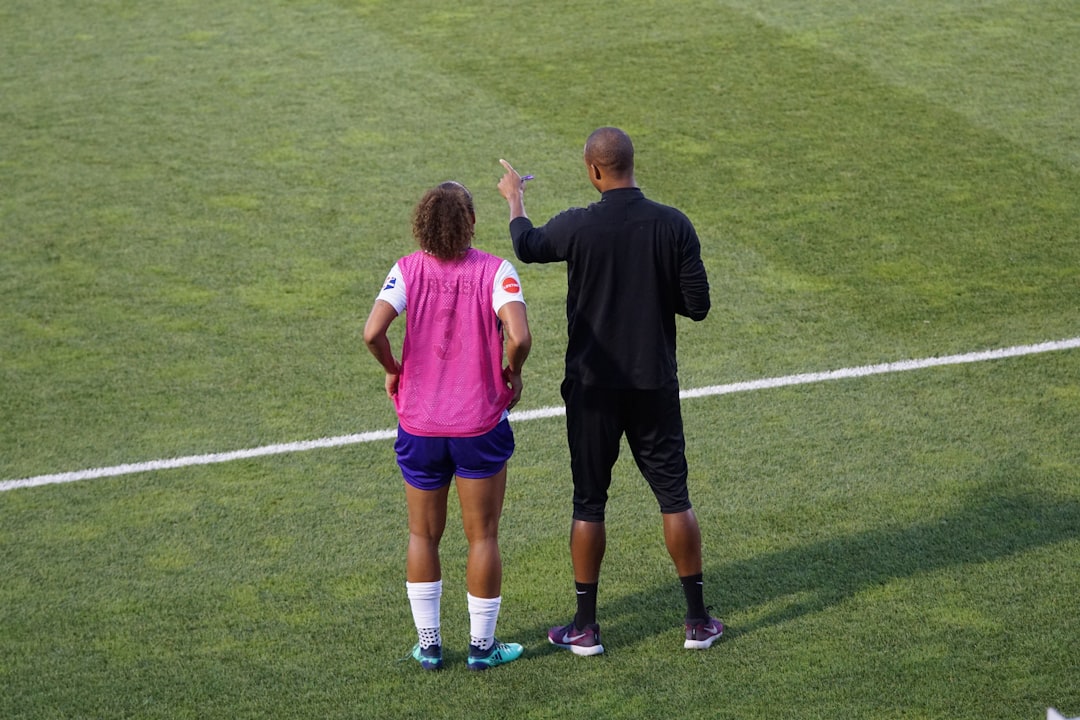
- Mauricio Pochettino, USMNT coach, surprised many by emailing players who didn’t make the World Cup squad.
- This email approach is considered a unique and personal touch in coach-player communication.
- Pochettino’s gesture is being interpreted as a sign of respect and appreciation for players’ dedication.
- Traditionally, such news was delivered in person or via phone calls, making this a departure from norms.
- The move reflects a shift towards digital communication in football, balancing professionalism and personal connection.
Mauricio Pochettino, the USMNT coach, has made headlines with his decision to email players who did not make the World Cup squad. This move has been seen as a unique approach to player communication, with many praising Pochettino’s personal touch. The email, which was sent to assorted soccer players, has been viewed as a sign of respect and appreciation for their efforts. As the football community continues to discuss this move, it is clear that Pochettino is breaking new ground in terms of coach-player communication.
The Current State of Coach-Player Communication

The world of football is known for its high-stakes decision-making, and the process of selecting a World Cup squad is no exception. Coaches must make tough choices, often leaving talented players off the team. In the past, this news was typically delivered in person or over the phone. However, with the rise of digital communication, it seems that Pochettino is embracing a new approach. By using email to inform players of their status, Pochettino is able to provide a personal message while also maintaining a level of professionalism. This approach has been praised by many, who see it as a sign of respect for the players’ time and effort.
A Look Back at Traditional Coach-Player Communication

Historically, coach-player communication has been a face-to-face affair. Coaches would often meet with players in person to discuss their performance, provide feedback, and make key decisions. While this approach has its benefits, it can also be time-consuming and logistically challenging. With the advent of digital communication, coaches can now reach players quickly and efficiently. However, this shift has also raised questions about the importance of personal interaction in the coaching process. As Pochettino’s email to USMNT rejects demonstrates, there is still value in taking a personal approach, even in the digital age.
The People Behind the Decision

Mauricio Pochettino is a well-respected coach with a reputation for being player-focused. His decision to email USMNT rejects is consistent with this approach, as it shows a willingness to take the time to communicate with players on a personal level. Pochettino’s motivations for using email are likely twofold. On one hand, he wants to provide a personal touch, acknowledging the efforts of the players who did not make the squad. On the other hand, he is also aware of the importance of maintaining a professional image, and email provides a level of formality that is essential in this context. As the USMNT prepares for the World Cup, it is clear that Pochettino’s approach to communication will be closely watched.
Consequences of This New Approach

The decision to use email to communicate with USMNT rejects has significant implications for the football community. For one, it highlights the importance of personal communication in the coaching process. By taking the time to email players, Pochettino is showing that he values their contributions and is committed to maintaining a positive relationship. This approach can also have a positive impact on player morale, as it demonstrates a level of respect and appreciation for their efforts. As other coaches take note of Pochettino’s approach, it is likely that we will see a shift towards more personal and digital communication in the football world.
The Bigger Picture
The use of email to communicate with USMNT rejects is part of a larger trend in the football world. As the sport continues to evolve, coaches are looking for new ways to connect with players and build strong relationships. This shift towards digital communication is not unique to football, as other sports are also embracing new technologies to improve communication and performance. As reported by the Guardian, Pochettino’s approach is just one example of how coaches are using technology to enhance the player experience. For more information on this topic, visit Wikipedia’s page on football.
As the football community continues to discuss Pochettino’s decision to email USMNT rejects, it is clear that this move has sparked an important conversation about the role of digital communication in the coaching process. As we look to the future, it will be interesting to see how other coaches adapt to this new approach and how it impacts the sport as a whole. With the World Cup on the horizon, one thing is certain: the relationship between coaches and players will continue to evolve, and digital communication will play a key role in this process.
Source: The Guardian