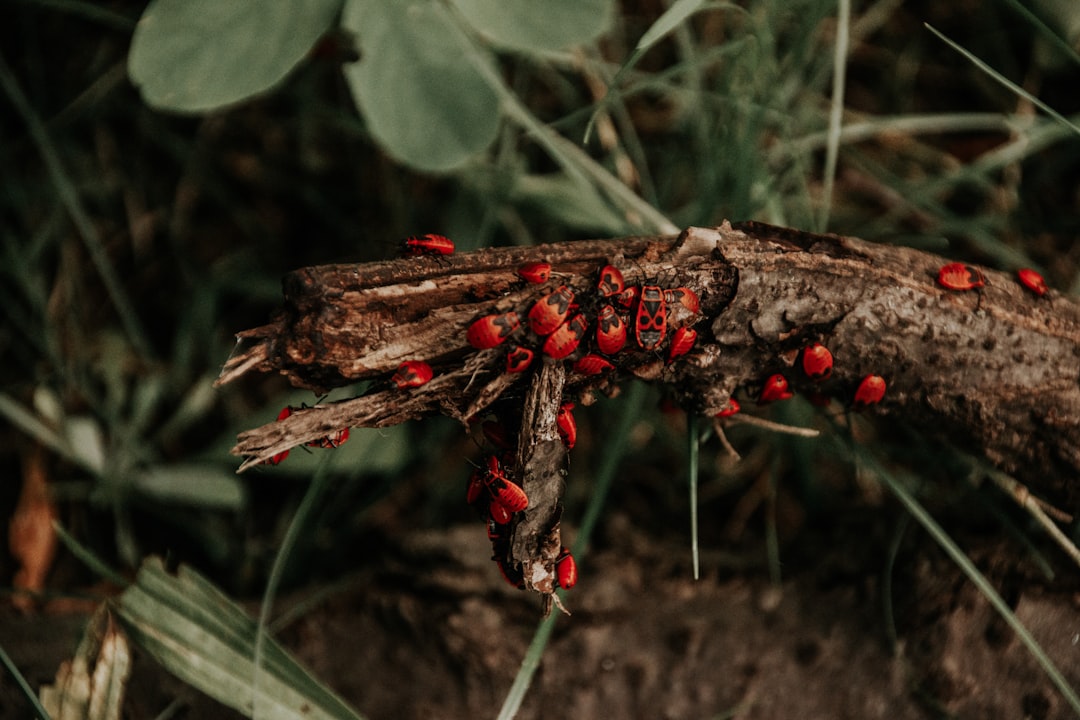
- Lord Howe Island has achieved a major ecological milestone with the complete eradication of invasive rats and mice.
- Native invertebrates have surged back in populations after a 100-year decline due to rodent predation.
- Targeted conservation efforts can reverse ecological collapse, as seen on Lord Howe Island.
- Invasive species can have a profound impact on fragile island ecosystems and native flora and fauna.
- The recovery of native insects on Lord Howe Island underscores the importance of effective conservation strategies.
Lord Howe Island, a UNESCO World Heritage site located 600 kilometers off Australia’s east coast, has achieved a major ecological milestone: the complete eradication of invasive rats and mice, followed by a striking resurgence of native invertebrates. Since the rodent eradication program concluded in 2019, populations of endemic species such as the Lord Howe stag beetle, Lord Howe Island cockroach, and numerous rare insects have surged. This recovery marks a turning point for one of Earth’s most fragile island ecosystems, where non-native rodents—introduced after the 1918 shipwreck of the SS Makambo—had decimated native flora and fauna for over a century. The rebound underscores the profound impact invasive species can have and demonstrates how targeted conservation can reverse ecological collapse.
Invertebrates Reclaim Lord Howe Island

Today, the forests and coastal scrublands of Lord Howe Island are alive with the hum and flutter of native insects returning to habitats long denied them. The Lord Howe stag beetle, once nearly silenced by predation, now takes flight each summer, its iridescent green wing cases catching the light as it searches for mates in the canopy. Entomologists have recorded significant increases in abundance for several endemic species, including the Lord Howe Island phasmid, once thought extinct and now breeding in the wild. Even common insects like crickets and native cockroaches—misunderstood but ecologically vital decomposers—are flourishing. Researchers credit the absence of rats, which previously consumed up to 90% of invertebrate biomass each night, for the dramatic turnaround. Monitoring by the Lord Howe Island Board and Australian government scientists shows insect diversity and density have returned to levels not seen since before the 1900s.
Decades of Ecological Decline

The island’s ecological unraveling began in 1918, when the SS Makambo ran aground, inadvertently releasing black rats onto the previously pristine island. With no natural predators and an abundance of vulnerable native species, the rodents spread rapidly. Over the following decades, they drove at least 13 endemic bird species and numerous invertebrates to extinction, including the iconic Lord Howe swamphen and the robust crowberry. Ground-nesting birds and slow-moving insects were especially vulnerable. By the 1980s, scientists recognized the crisis, but eradication efforts were delayed for decades due to logistical complexity and concerns about bait impact on non-target species. A major campaign launched in 2016, using helicopters to spread rodenticide bait across the island’s 1,450 hectares. After three years of intensive monitoring, the island was declared rodent-free in 2019—a rare success in global conservation. The recovery of invertebrates has been one of the most immediate and measurable outcomes of that victory.
The Scientists and Stewards Behind the Recovery

Naturalist Ian Hutton, who has lived on Lord Howe Island for over 40 years and authored several field guides, has been a central figure in documenting the island’s ecological transformation. His long-term observations provided critical baseline data that helped measure the impact of rodent eradication. “To see the stag beetles flying again, to hear crickets at night—these are sounds we thought we’d lost forever,” Hutton said in a recent interview with The Guardian. Conservationists from the Australian Department of Climate Change, Energy, the Environment and Water, along with the Invasive Species Council, collaborated on the eradication strategy, balancing ecological goals with the concerns of residents and tourism operators. Local islanders, many of whom rely on eco-tourism, were integral to the campaign’s success, supporting temporary restrictions and monitoring efforts. Their stewardship exemplifies the growing global model of community-led conservation in sensitive environments.
Ecological and Economic Ripple Effects

The resurgence of invertebrates is more than a symbolic win—it has tangible implications for ecosystem stability and island livelihoods. Insects play crucial roles as pollinators, decomposers, and food sources for birds and reptiles. As populations rebound, scientists expect cascading benefits for plant regeneration and soil health. For instance, increased pollination could aid the recovery of native palms and flowering shrubs. Moreover, the island’s eco-tourism industry, which attracts around 10,000 visitors annually, stands to benefit from the return of rare species as photographic and educational attractions. However, researchers caution that full recovery will take decades. Some species may never return without human-assisted breeding, and new threats—such as climate change and invasive insects—require vigilant monitoring. The success has also prompted renewed interest in eradicating invasive plants and restoring seabird colonies, which once numbered in the millions.
The Bigger Picture
Lord Howe Island’s recovery offers a powerful blueprint for island conservation worldwide. According to BBC reports on global eradication efforts, over 800 successful rodent removals have been conducted on islands, but few have been as comprehensive or well-documented. The island’s experience demonstrates that even ecosystems pushed to the brink can recover when invasive predators are removed. It also highlights the importance of long-term investment and community engagement in conservation. As climate change intensifies pressure on biodiversity hotspots, particularly on isolated islands, Lord Howe’s story provides a rare note of hope—and a model for action.
What happens next on Lord Howe Island could shape conservation strategies far beyond its shores. Scientists are now tracking whether seabirds, many of which avoid nesting in rodent-infested areas, will return to former breeding grounds. Restoration teams are also considering the reintroduction of extinct or translocated species, such as the Lord Howe woodhen, whose population has slowly recovered but remains fragile. With continued vigilance against new invasions and climate impacts, the island may soon reclaim not just its insects—but its full ecological legacy.
Source: The Guardian