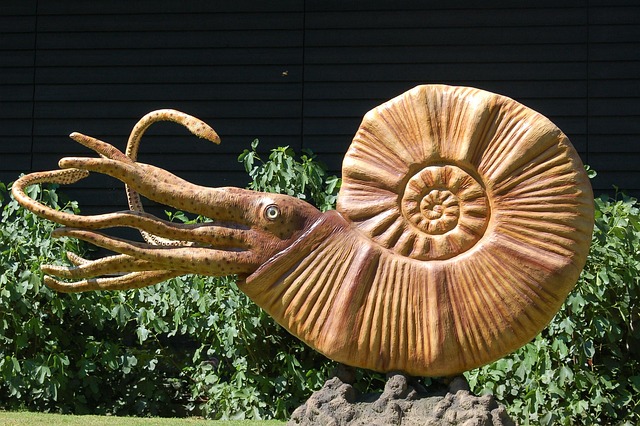
- La Brea Tar Pits and Museum has undergone a 50-year renovation, featuring state-of-the-art exhibits and interactive displays.
- The site contains over 2 million ice age fossils, making it the only urban, active excavation site in the world.
- Fossils from mastodons, saber-toothed cats, and other ancient creatures provide valuable insights into the Earth’s history.
- The unique conditions of the tar pits have allowed researchers to preserve ice age flora and fauna for thousands of years.
- The museum is a hub of scientific inquiry, offering a deeper understanding of the ice age and its creatures.
La Brea Tar Pits comprise an active paleontological research site in urban Los Angeles. Hancock Park was formed around a group of tar pits where natural asphalt has seeped up from the ground for tens of thousands of years. Over many centuries, the bones of trapped animals have been preserved.
Source: Wikipedia
What happens when you combine a bustling metropolis like Los Angeles with a site containing over 2 million ice age fossils? You get the La Brea Tar Pits and Museum, the only urban, active ice age excavation site in the world, which has just undergone a massive facelift for the first time in nearly 50 years. This unique site, often referred to as ‘Pompeii, but in the middle of a massive city,’ has been a treasure trove of paleontological discoveries, including the remains of mastodons, saber-toothed cats, and other ancient creatures.
Uncovering the Secrets of the Ice Age

The La Brea Tar Pits and Museum has been a hub of scientific inquiry and public fascination since its discovery. The site’s unique conditions, with tar pits that have preserved the remains of ice age flora and fauna for thousands of years, have allowed researchers to gain a deeper understanding of the creatures that roamed the Earth during that period. With the recent renovation, visitors can now explore the site and its many wonders in a more immersive and engaging way, thanks to state-of-the-art exhibits and interactive displays.
Supporting Evidence from the Fossil Record

According to the museum’s website, the La Brea Tar Pits have yielded an astonishing array of fossils, including over 2 million individual specimens. These finds have been instrumental in shaping our understanding of the ice age ecosystem and the evolution of species during that time. As noted by the Nature journal, the site’s fossil record provides a unique window into the past, allowing scientists to study the interactions between species and their environments in unprecedented detail.
Counter-Perspectives and Challenges

While the La Brea Tar Pits and Museum is widely regarded as a scientific treasure, some have raised concerns about the site’s preservation and the potential impact of urbanization on the surrounding ecosystem. For instance, the Guardian has reported on the challenges faced by the museum in balancing its scientific mission with the need to protect the site from the effects of climate change and urban development. Despite these challenges, the museum remains committed to its mission of promoting scientific understanding and preserving the natural and cultural heritage of the site.
Real-World Impact and Applications

The discoveries made at the La Brea Tar Pits and Museum have far-reaching implications for our understanding of the natural world and the impact of human activity on the environment. By studying the fossil record and the ecosystems of the past, scientists can gain valuable insights into the dynamics of species evolution, extinction, and adaptation. These findings can, in turn, inform conservation efforts and policy decisions aimed at mitigating the effects of climate change and preserving biodiversity.
What This Means For You
So, what can you take away from the story of the La Brea Tar Pits and Museum? For one, it highlights the importance of preserving our natural and cultural heritage, even in the midst of urbanization and development. By supporting institutions like the La Brea Tar Pits and Museum, we can promote scientific understanding, conservation, and education, ultimately contributing to a more sustainable and equitable future.
As we look to the future, we may ask: what other secrets lie hidden beneath our cities, waiting to be uncovered? How can we balance the needs of urban development with the need to preserve our natural and cultural heritage? These are questions that will continue to inspire scientific inquiry, public engagement, and conservation efforts, ensuring that the story of the La Brea Tar Pits and Museum remains a vibrant and relevant part of our shared cultural landscape.
Source: The Guardian