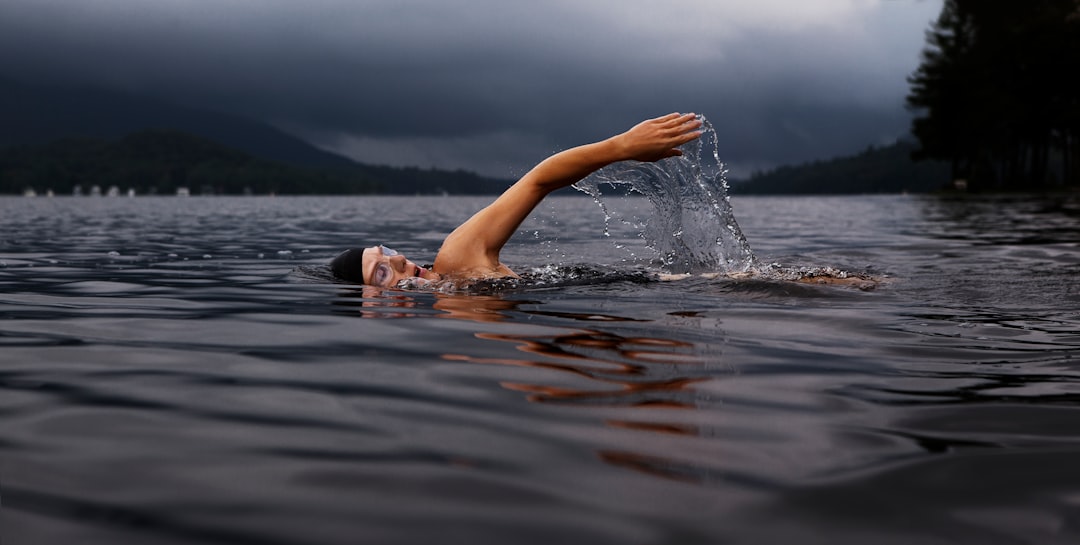
- At least nine people have died in the UK due to water-related incidents in the past week, with seven victims under 25.
- Most victims drowned while attempting to cool off in rivers, lakes, and reservoirs during the heatwave.
- Water safety experts warn of hidden risks at unregulated swimming sites, including strong currents, cold spots, and lack of supervision.
- Public health officials urge people to avoid unregulated swimming sites due to significant dangers.
- The UK heatwave has highlighted the need for long-term policy on access to safe recreational water spaces.
At least nine people have died in the past week across the United Kingdom due to water-related incidents, with most victims drowning while attempting to cool off in rivers, lakes, and reservoirs during a prolonged heatwave. The spike in fatalities—seven of whom were under the age of 25—has prompted urgent warnings from water safety experts and emergency services about the hidden risks of outdoor swimming. As temperatures across England and Wales climbed above 30°C (86°F), public health officials and rescue organizations are urging people to avoid unregulated swimming sites, where strong currents, cold spots, and lack of supervision pose significant dangers. The situation matters not only for immediate public safety but also for long-term policy on access to safe recreational water spaces in an era of increasingly frequent extreme heat.
Surge in Water-Related Emergencies

In the past seven days, emergency services across England and Scotland have responded to a wave of distress calls from popular but unsupervised swimming locations, including the River Thames near Oxford, Loch Lomond in Scotland, and several inland quarries in the Midlands. According to the Royal Society for the Prevention of Accidents (RoSPA), at least nine confirmed drownings have occurred, with multiple near-misses reported. Many incidents involved young people entering deep water without assessing conditions, often underestimating the force of underwater currents or the effects of cold water shock. In one case in Northumberland, a group of teenagers entered a disused quarry, unaware of submerged machinery and steep drop-offs. The Environment Agency has since issued a national alert, emphasizing that natural bodies of water are not designed for safe swimming and often lack lifeguards, signage, or emergency access. Social media trends promoting ‘wild swimming’ as a refreshing escape have further amplified the risk, experts say.
The Hidden Dangers of Natural Waterways

Outdoor swimming in rivers and lakes has gained popularity in the UK over the past decade, driven by wellness trends, environmental appreciation, and limited access to public pools. However, unlike designated swimming zones, most natural water bodies contain unpredictable hazards. Cold water shock—a sudden gasp reflex and increased heart rate upon immersion—can lead to panic and drowning within minutes, even in strong swimmers. Undercurrents, submerged debris, algal blooms, and rapidly changing weather can turn a recreational dip into a life-threatening event. According to a 2023 report by Public Health England, the UK averages around 400 accidental drownings per year, with over 60% occurring in rivers and lakes. The current heatwave has intensified this risk, as people seek relief without understanding the physics and physiology involved. Historically, public safety campaigns have focused on seaside dangers, but inland water fatalities now account for a growing share of incidents.
Who Is Leading the Response?

The response to the surge in drownings is being coordinated by a coalition of emergency services, environmental agencies, and non-governmental organizations, including the RNLI (Royal National Lifeboat Institution), which has expanded its water safety outreach beyond coastal areas. Volunteers from local rescue teams, many of whom are trained divers or swift-water specialists, are now patrolling high-risk sites on weekends. Behind the scenes, public health officials and urban planners are rethinking access to safe, legal swimming zones. Figures like Dr. Emily Tranter, a water safety researcher at the University of Exeter, have been vocal in calling for designated ‘blue spaces’—urban swimming areas with lifeguards and water quality monitoring. She argues that while people have a right to cool off during heatwaves, the infrastructure to support safe recreation has not kept pace. Social media influencers who promote scenic swimming spots without safety disclaimers are also under scrutiny for inadvertently encouraging risky behavior.
Consequences for Communities and Policy

The immediate consequence of the drownings is a wave of grief across multiple communities, particularly in rural and semi-rural areas where emergency response times are longer. Families are demanding better signage, more patrols, and investment in safe alternatives. From a policy standpoint, the crisis highlights a growing gap in urban planning and public health infrastructure as climate change increases the frequency and intensity of heatwaves. Local councils face difficult choices: restricting access to natural waterways could infringe on public rights of way, while doing nothing risks more lives. Some cities, like Bristol and Leeds, are piloting temporary floating pools and supervised river beaches. Meanwhile, the Environment Agency is exploring real-time risk alerts via mobile apps, similar to weather warnings, to inform the public about dangerous water conditions.
The Bigger Picture
This surge in drownings is not just a summer tragedy—it’s a symptom of a changing climate and outdated public infrastructure. As global temperatures rise, heatwaves will become more common, pushing more people toward water for relief. Without safe, accessible, and well-managed swimming areas, the UK risks repeating this pattern every summer. The issue intersects with environmental justice: low-income communities often lack access to air conditioning or private pools, making risky outdoor swimming one of the few cooling options. According to research published in ScienceDaily, urban blue spaces can reduce heat stress and improve mental health, but only when safety is prioritized. The current crisis offers a chance to rethink how cities integrate water into public life—not as a hazard to avoid, but as a resource to manage wisely.
What comes next will depend on whether policymakers treat these drownings as isolated incidents or as a signal of systemic vulnerability. Investment in safe swimming zones, public education campaigns, and climate-resilient urban design could prevent future tragedies. In the meantime, water safety experts urge the public to avoid swimming alone, to never underestimate cold water, and to choose lifeguarded beaches whenever possible. As the heat continues, the message is clear: enjoying nature should not mean risking lives.
Source: The Guardian