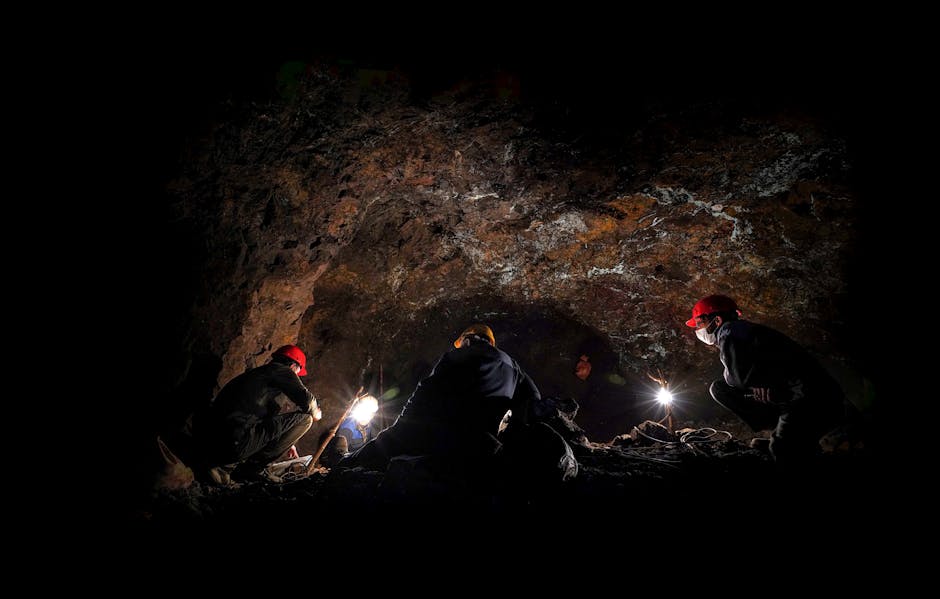
- Seven people have been trapped in a Laos cave for five days after a landslide blocked their exit.
- Thai cave divers, experts in a 2018 rescue, are leading the rescue effort in Xaysomboun province.
- Heavy rains triggered landslides, flooding the cave and making rescue conditions extremely challenging.
- Rescue teams face zero visibility, strong currents, and oxygen depletion in the cave.
- Regional cooperation in disaster response is growing, with a potential impact on future emergency protocols.
Seven people have been trapped for five days in a remote, flooded cave in Xaysomboun province, central Laos, after heavy rains triggered landslides that blocked their exit. Joining the rescue effort are elite Thai cave divers who played a pivotal role in the 2018 Tham Luang cave rescue, bringing critical expertise to the challenging operation. Their involvement marks a rare cross-border deployment of specialized rescue personnel in Southeast Asia and underscores the growing regional cooperation in disaster response — a development that could shape future emergency protocols across the Mekong subregion.
Rescue Conditions and Technical Challenges

The trapped group, believed to include local hunters and amateur prospectors, entered the cave system in Xaysomboun province on Wednesday, likely seeking wildlife or traces of gold, according to local reports. By Friday, torrential rains had flooded the narrow passages and triggered landslides that collapsed the primary entrance, cutting off escape routes. Satellite data from the ASEAN Specialised Meteorological Centre shows rainfall totals exceeding 250mm in central Laos over a 72-hour period, turning normally dry seasonal caves into dangerous underwater labyrinths. Rescue teams face zero visibility, strong currents, and oxygen depletion in sections of the cave. Sonar scans conducted by Laotian authorities suggest that survivors are located approximately 800 meters from the current access point, in a chamber that may still have breathable air. Divers must navigate sharp rock formations and submerged debris, making this one of the most technically demanding cave rescues in Southeast Asia since the 2018 Tham Luang incident.
Key Players in the Rescue Operation

The Thai contingent includes members of the Royal Thai Navy SEALs and civilian divers who were instrumental in extracting 12 boys and their soccer coach from the flooded Tham Luang cave in northern Thailand six years ago — a mission that captured global attention and was later documented by The Guardian and international media. Among them is Rick Stanton, a British cave diver who collaborated with the Thai team in 2018 and is now advising remotely, though Thai personnel are leading on-site operations. The Lao People’s Armed Forces have mobilized engineering units to stabilize the cave’s exterior, while China has dispatched drone survey teams to assist with topographical mapping. The collaboration highlights an emerging network of regional expertise, though Laos’s limited prior experience with cave rescues has necessitated reliance on foreign know-how — a dynamic that raises questions about disaster preparedness across less-developed ASEAN states.
Trade-Offs in Risk, Resources, and Rescue Ethics

Every hour of delay increases the risk of hypothermia, drowning, or panic-induced injuries among those trapped, but accelerating the rescue poses dangers to divers as well. The use of sedation — controversially employed in 2018 to keep the Thai soccer team unconscious during underwater transport — is reportedly under discussion again, though medical advisors caution against it without on-site anesthesia support. Meanwhile, the remote location of the cave complicates logistics: oxygen tanks, medical gear, and communication equipment must be transported over unpaved mountain roads. Environmental concerns also arise — the cave lies near a protected forest reserve, and heavy machinery risks disturbing ecologically sensitive terrain. While saving lives is the priority, the operation forces tough decisions about resource allocation in a country where emergency infrastructure remains underfunded. The balance between speed and safety, local capacity and foreign intervention, will set a precedent for future regional crises.
Why the Timing Is Critical

The rescue effort comes at a moment of heightened regional focus on climate resilience and transnational emergency response. With the monsoon season advancing across mainland Southeast Asia, similar incidents are likely unless monitoring and early-warning systems improve. The decision to deploy Thai rescuers within days of the entrapment reflects lessons learned from 2018, when international coordination was initially slow. Now, informal networks of cave experts and disaster responders can mobilize rapidly, even without formal ASEAN mechanisms. Moreover, the Lao government’s willingness to accept foreign assistance — historically cautious about sovereignty — signals a shift toward pragmatic cooperation. This evolving response model could become standard during floods, landslides, and other climate-related disasters that increasingly affect the Mekong region.
Where We Go From Here
In the next six to twelve months, three scenarios could unfold. First, if the rescue succeeds, it may catalyze the creation of a formal Southeast Asian cave rescue task force, backed by training exchanges and shared equipment. Second, if complications arise — such as loss of life or diver injury — scrutiny may fall on the risks of voluntary, ad hoc missions lacking institutional support. Third, regardless of outcome, the incident could prompt Laos and neighboring countries to invest in cave mapping and monsoon preparedness, particularly in remote mining and hunting zones. Regional organizations like ASEAN may also consider integrating cave rescue protocols into their disaster management frameworks, especially as climate change intensifies weather extremes.
Bottom line — The involvement of Thai cave rescue veterans in Laos represents a pivotal moment for regional emergency cooperation, blending hard-won expertise with urgent humanitarian need in one of Southeast Asia’s most challenging terrains.
Source: The Guardian