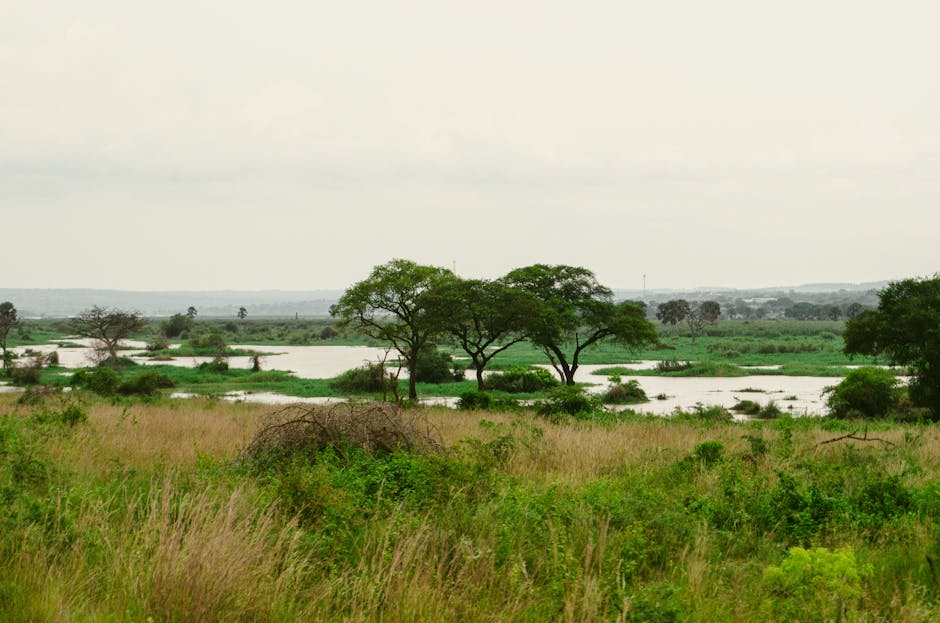
- A tragic accident in Uganda’s Murchison Falls National Park highlights the risks of sharing spaces with wild animals.
- The park’s diverse wildlife, including elephants, lions, and leopards, can pose a threat to human visitors.
- Human-wildlife conflict is a long-standing issue in Uganda, often resulting from competition for resources.
- Wildlife encroaching on human settlements or agricultural land can lead to conflicts and accidents.
- Park officials are investigating the incident to determine the cause and prevent similar incidents in the future.
A tragic accident has occurred in Uganda’s Murchison Falls National Park, resulting in the deaths of three people and injuring four others after their vehicle collided with an elephant. The incident, which took place inside the national park, has raised concerns about the safety of both humans and wildlife in the area. According to officials, the crash is a stark reminder of the risks associated with sharing spaces with wild animals, and an investigation is underway to determine the circumstances surrounding the accident.
Current Situation in Murchison Falls National Park

The Murchison Falls National Park, one of Uganda’s most popular tourist destinations, is known for its diverse wildlife, including elephants, lions, and leopards. However, the park’s wildlife can sometimes pose a threat to human visitors, as evidenced by this recent incident. Park officials have reported that the vehicle was carrying a group of people who were on a safari tour when the accident occurred. The injured individuals have been rushed to a nearby hospital for treatment, and an investigation is ongoing to determine the cause of the crash and how to prevent similar incidents in the future.
A History of Human-Wildlife Conflict in Uganda

Uganda has a long history of human-wildlife conflict, with many incidents reported over the years. The conflict often arises when wildlife encroaches on human settlements or agricultural land, leading to competition for resources. In some cases, humans have been known to venture into wildlife habitats, increasing the risk of encounters with wild animals. The Ugandan government has implemented various measures to mitigate human-wildlife conflict, including the creation of wildlife corridors and compensation schemes for farmers who lose crops to wildlife. However, more needs to be done to address the root causes of the conflict and ensure the safety of both humans and wildlife.
The People Behind Wildlife Conservation in Uganda

The Ugandan government, in partnership with conservation organizations, has been working tirelessly to protect the country’s wildlife and their habitats. The Uganda Wildlife Authority is responsible for managing the country’s national parks, including Murchison Falls. The authority works closely with local communities, tour operators, and conservation groups to promote sustainable tourism and conservation practices. Additionally, organizations such as the World Wildlife Fund are supporting conservation efforts in Uganda, providing technical assistance and funding for projects that protect wildlife habitats and promote human-wildlife coexistence.
Consequences of the Accident

The accident in Murchison Falls National Park has significant consequences for stakeholders, including the families of the victims, tour operators, and conservation organizations. The incident may lead to a decline in tourism, which could have economic implications for local communities that rely on tourism for their livelihoods. Furthermore, the accident may also impact the reputation of Uganda’s national parks, potentially deterring visitors from exploring the country’s wildlife. The Ugandan government and conservation organizations must work together to implement measures that prevent similar incidents in the future and ensure the safety of both humans and wildlife.
The Bigger Picture
The accident in Murchison Falls National Park highlights the importance of balancing human needs with wildlife conservation. As the human population grows, it is essential to find ways to coexist with wildlife, ensuring the safety of both humans and animals. This requires a multi-faceted approach that involves governments, conservation organizations, local communities, and tour operators working together to promote sustainable tourism and conservation practices. By doing so, we can reduce the risk of human-wildlife conflict and protect the world’s precious wildlife for future generations.
In conclusion, the tragic accident in Murchison Falls National Park serves as a reminder of the importance of prioritizing wildlife conservation and human safety. As we move forward, it is essential to learn from this incident and work towards creating a safer and more sustainable coexistence between humans and wildlife. The Ugandan government and conservation organizations must continue to work together to address the root causes of human-wildlife conflict and implement measures that prevent similar incidents in the future. By doing so, we can ensure the long-term conservation of Uganda’s wildlife and the safety of those who visit and live in these incredible ecosystems.
Source: BBC