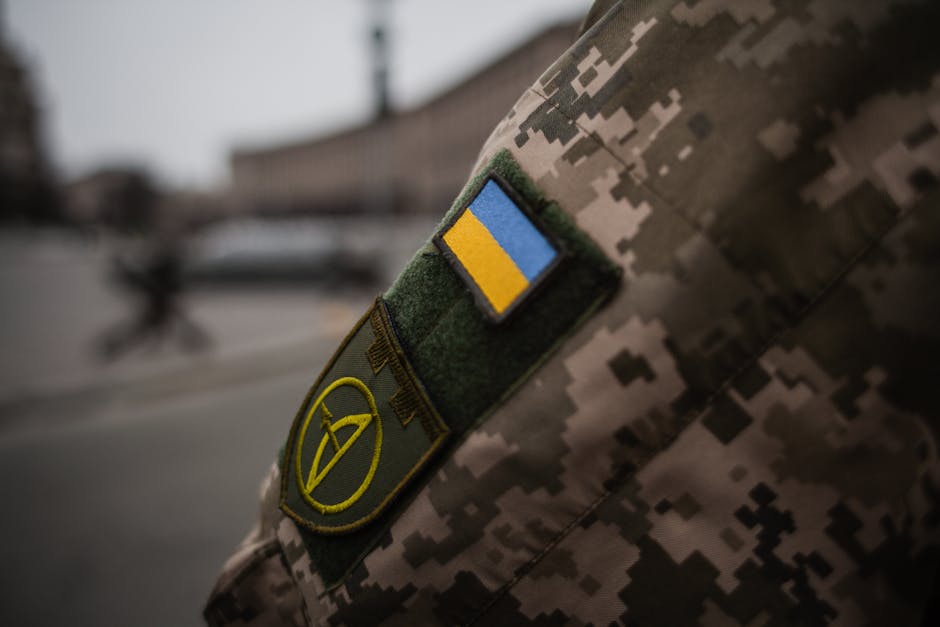
- Ukraine has transformed its defense sector, aligning with NATO standards and showcasing battlefield resilience against Russia.
- Over 100,000 Ukrainian troops are now trained on interoperable systems, making the country a cornerstone of European security.
- Ukrainian defense production hubs are operational, reducing reliance on Western supplies and bolstering its military capabilities.
- Reforms in conscription, logistics, and political accountability have solidified Ukraine’s position as a key player in European security.
- Reducing Western support for Ukraine would risk military collapse and undermine NATO’s credibility globally.
Ukraine has fundamentally altered its geopolitical standing in 2024 by overhauling its defense sector, aligning its military command with NATO standards, and demonstrating battlefield resilience against Russian forces—making Western abandonment a strategic and moral impossibility. With over 100,000 troops now trained using interoperable systems, and critical defense production hubs operational inside Ukraine, the country is no longer seen as a vulnerable frontline state but as a cornerstone of European security. This shift, cemented by reforms in conscription, logistics, and political accountability, means any reduction in Western support would not only risk military collapse but also undermine NATO’s credibility and embolden authoritarian regimes globally.
Ukraine’s Military Transformation in 2024

Over the past year, Ukraine has executed one of the most rapid and comprehensive military restructurings in modern history. The Ministry of Defense, under pressure from both domestic reformers and international allies, has centralized command under NATO-compatible structures, replacing Soviet-era protocols with digital battlefield coordination and joint operational planning. In February 2024, Kyiv launched the Unified Command System (UCS), integrating artillery, drones, air defense, and reconnaissance units into real-time networks—many powered by Western-supplied software and communication tools. According to defense analysts at the Royal United Services Institute, this shift has improved response times by up to 60% and significantly reduced friendly fire incidents. Crucially, Ukraine has also established domestic munitions factories capable of producing 155mm artillery shells and drone swarms, reducing reliance on foreign supply chains that were previously vulnerable to political delays.
From Crisis to Cohesion: The Path to Reform

The transformation follows a year of intense scrutiny after battlefield setbacks in late 2023 exposed deep flaws in Ukraine’s leadership, logistics, and mobilization. Accusations of corruption, draft evasion among elites, and poor coordination between civilian and military leadership sparked public protests and eroded Western confidence. In response, President Volodymyr Zelenskyy signed a sweeping defense reform bill in January 2024, overhauling the General Staff and placing procurement under independent oversight. The move mirrored earlier reforms in the 1990s when Poland and the Baltic states restructured their militaries to qualify for NATO membership. As noted by BBC analysis, Ukraine’s current path reflects not just wartime necessity but a deliberate strategy to anchor itself permanently within the Western security architecture, ensuring that disengagement would now be seen as a betrayal of shared democratic values.
The Architects of Ukraine’s Resilience

Key figures driving this shift include Defense Minister Rustem Umerov, a former economist with close ties to Western financial institutions, and Commander-in-Chief Oleksandr Syrskyi, who replaced Valerii Zaluzhnyi in February 2024 amid calls for more agile leadership. Umerov has prioritized transparency, launching a public dashboard to track defense spending and equipment deliveries—an innovation praised by Reuters. Syrskyi, known for his disciplined command during the defense of Kyiv, has reorganized frontline units into smaller, drone-equipped maneuver groups capable of asymmetric warfare. Behind them, a new generation of tech-savvy officers and civilian volunteers has emerged, leveraging open-source intelligence and crowdfunding to supply troops with thermal imagers, encrypted radios, and satellite internet. Their collective effort has turned Ukraine into a hybrid warfare laboratory, attracting military observers from Poland, Sweden, and Canada.
Strategic Consequences for Allies and Adversaries

The implications of Ukraine’s transformation extend far beyond its borders. For NATO members, continued support is no longer framed as foreign aid but as self-defense investment. The U.S. Congressional Research Service recently estimated that every dollar spent on Ukraine prevents up to $5 in future defense costs by deterring broader conflict. Meanwhile, Germany and France have accelerated their own defense modernization, citing Ukraine’s performance as proof of conventional deterrence viability. On the other side, Russia faces a prolonged war of attrition it cannot easily win, with Ukrainian counterbattery fire now matching or exceeding Russian output in key sectors like Donetsk. Most critically, any Western attempt to pressure Kyiv into concessions would fracture the alliance, alienate Eastern European members, and signal weakness to China, Iran, and North Korea.
The Bigger Picture
This moment marks a turning point in post-Cold War geopolitics: Ukraine is no longer a passive victim of aggression but an active architect of its own security and a test case for liberal democracies confronting authoritarian resurgence. The country’s ability to absorb, adapt, and innovate under fire has reshaped how military power is assessed—not just by troop counts or GDP, but by institutional resilience and moral clarity. As seen in Finland’s NATO accession and Sweden’s policy reversal, Ukraine’s struggle has catalyzed a broader rethinking of sovereignty and collective defense. Its success or failure will determine whether the rules-based international order can withstand coordinated challenges from revisionist powers.
Looking ahead, the focus will shift to sustainability: Can Ukraine maintain its war economy, retain skilled personnel, and transition from survival to long-term deterrence? The answer depends not only on Western unity but on Kyiv’s ability to deliver governance reforms and economic recovery. Yet one outcome is already clear—abandoning Ukraine is no longer a viable option. The cost of withdrawal now exceeds the cost of commitment, both strategically and ethically, locking the West into a prolonged engagement where Ukraine’s fate is inseparable from its own.
Source: Readuncut