- Morocco is launching a campaign to attract Western tourists to Western Sahara, a disputed territory claimed by Morocco since 1976.
- Tourism in Western Sahara has the potential to become a popular destination due to its rich cultural heritage and stunning natural beauty.
- However, political tensions surrounding the region’s status may overshadow its appeal and spark concerns among some.
- Morocco’s efforts to boost tourism in Western Sahara may be seen as an attempt to legitimize its claim to the territory.
- The international community has called for a peaceful resolution to the Western Sahara conflict, which has been ongoing for decades.
Morocco is launching a campaign to attract more Western tourists to visit Western Sahara, a territory it has claimed ownership of since 1976. The move has sparked concerns among some who argue that Morocco is using tourism as a means to tighten its control over the disputed region. With a rich cultural heritage and stunning natural beauty, Western Sahara has the potential to become a popular tourist destination, but the political tensions surrounding its status threaten to overshadow its appeal.
Background and Significance

The Western Sahara conflict has been ongoing for decades, with Morocco claiming sovereignty over the territory and the Polisario Front, which represents the Sahrawi people, seeking independence. The situation has been further complicated by the presence of other countries, including Algeria and Mauritania, which have their own interests in the region. As Morocco seeks to boost tourism in Western Sahara, it is likely to face opposition from those who view its actions as an attempt to legitimize its claim to the territory. The international community has called for a peaceful resolution to the conflict, but a lasting solution has yet to be found.
Key Developments and Players

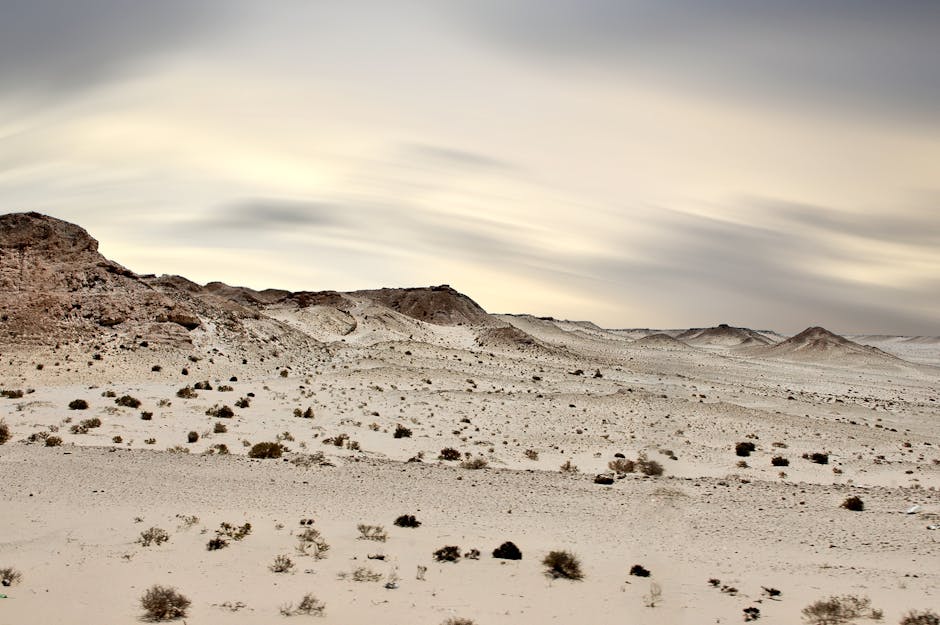
Morocco’s efforts to develop Western Sahara’s tourism industry are being led by the country’s tourism ministry, which has announced plans to invest in infrastructure and promote the territory as a destination for Western holidaymakers. The ministry has highlighted the territory’s unique cultural heritage, including its Spanish colonial architecture and traditional Sahrawi music, as well as its natural beauty, which includes stunning coastline and desert landscapes. However, the Polisario Front has condemned Morocco’s actions, arguing that they are an attempt to distract from the underlying issues surrounding the territory’s status. The situation is being closely watched by the international community, with the United Nations playing a key role in efforts to resolve the conflict.
Analysis and Implications

The implications of Morocco’s push for tourism in Western Sahara are complex and far-reaching. On the one hand, the development of the tourism industry could bring much-needed economic benefits to the territory and help to promote greater understanding and cooperation between different communities. On the other hand, the move is likely to be seen as an attempt by Morocco to consolidate its control over the territory and undermine the Sahrawi people’s right to self-determination. As the situation continues to evolve, it will be important to monitor the actions of all parties involved and to ensure that the rights and interests of all stakeholders are respected. For more information on the Western Sahara conflict, visit the Western Sahara conflict page on Wikipedia.
Humanitarian and Economic Impact

The humanitarian and economic impact of the Western Sahara conflict should not be underestimated. The territory has been the subject of a longstanding dispute, and the situation has had a profound effect on the lives of the Sahrawi people. Many have been forced to live in refugee camps, where they face significant challenges in accessing basic necessities like food, water, and healthcare. The economic consequences of the conflict have also been severe, with the territory’s natural resources being exploited by Morocco and other countries. As the situation continues to unfold, it will be important to prioritize the needs and rights of the Sahrawi people and to work towards a peaceful and sustainable resolution to the conflict.
Expert Perspectives
Experts on the Western Sahara conflict have offered differing perspectives on Morocco’s push for tourism in the territory. Some have argued that the move is a cynical attempt to legitimize Morocco’s claim to the territory, while others have suggested that it could be a positive step towards greater cooperation and understanding between different communities. According to a report by the BBC, the situation is complex and multifaceted, and a lasting solution will require the involvement and cooperation of all parties concerned.
As the situation in Western Sahara continues to evolve, it will be important to monitor developments closely and to prioritize the needs and rights of all stakeholders. The international community has a critical role to play in promoting a peaceful and sustainable resolution to the conflict, and it will be important to ensure that the voices and perspectives of the Sahrawi people are heard and respected. As we look to the future, one key question remains: what will be the long-term consequences of Morocco’s push for tourism in Western Sahara, and how will the situation be resolved in a way that respects the rights and interests of all parties concerned?
Source: BBC