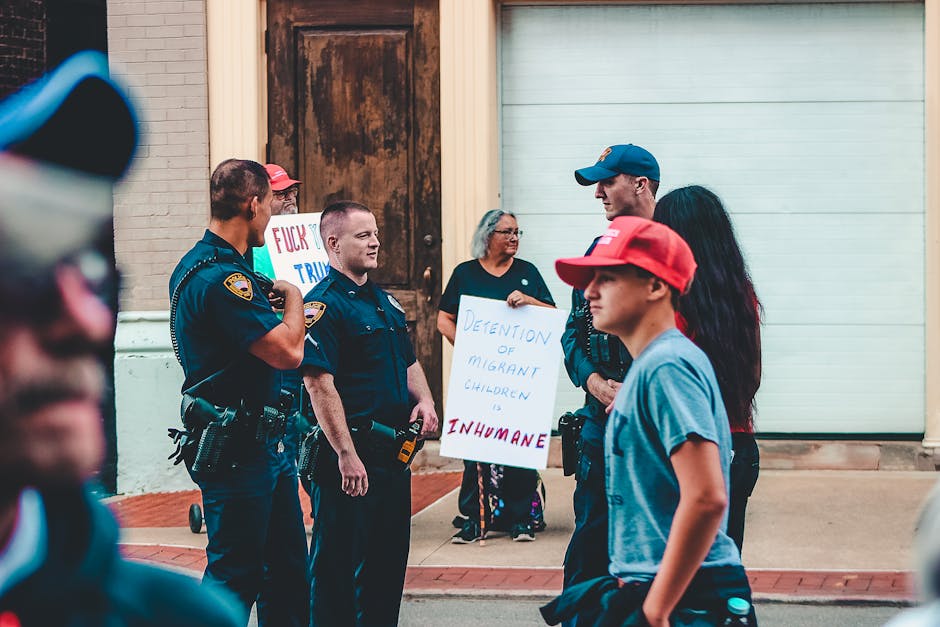
- Massachusetts has one of the largest Haitian diasporas in the US, making Haitian fans particularly vulnerable to ICE presence during the 2026 World Cup.
- The US has a history of strict immigration enforcement, increasing concerns among minority communities about ICE presence at the World Cup.
- Haitian fans in Massachusetts are hesitant to attend World Cup events due to fear of being targeted by ICE agents.
- The US has been cracking down on immigration in recent years, exacerbating the fear of ICE among Haitian and minority communities.
- The fear of ICE affects daily life for Haitian individuals in Massachusetts, making it difficult for them to feel safe and secure.
The 2026 World Cup is expected to bring together fans from around the world, but for some minorities, including Haitians in Massachusetts, the excitement is tempered by fear of the US Immigration and Customs Enforcement (ICE) and how immigration is enforced. With one of the largest Haitian diasporas residing in Massachusetts, fans are worried about the potential presence of ICE agents during the tournament. This concern is not unfounded, as the US has a history of strict immigration enforcement, and the World Cup may provide an opportunity for ICE to increase its presence.
Current Fears and Concerns

The current situation is marked by uncertainty and fear among minority communities, particularly Haitians in Massachusetts. Fans are hesitant to attend World Cup events, fearing that they may be targeted by ICE agents. This fear is exacerbated by the fact that the US has been cracking down on immigration in recent years, with increased deportations and stricter border control. The Haitian community in Massachusetts is particularly vulnerable, as many individuals may be undocumented or have family members who are. The fear of ICE is not only limited to the World Cup but also affects the daily lives of these individuals, making it difficult for them to feel safe and secure.
Historical Context of US Immigration Enforcement

The story behind the fear of ICE and US immigration enforcement is complex and rooted in history. The US has long struggled with immigration, and the enforcement of immigration laws has often been strict and unforgiving. The creation of ICE in 2003 marked a significant shift in the way the US approaches immigration, with a greater emphasis on enforcement and deportation. This shift has led to increased tensions between immigrant communities and law enforcement, with many individuals feeling targeted and marginalized. The Haitian community, in particular, has faced significant challenges, including poverty, lack of access to education and healthcare, and limited economic opportunities.
Key Players and Motivations

The individuals and organizations involved in shaping the fear of ICE and US immigration enforcement are diverse and complex. On one hand, there are the fans themselves, who are motivated by a desire to enjoy the World Cup without fear of persecution or deportation. On the other hand, there are the ICE agents and law enforcement officials, who are tasked with enforcing US immigration laws. The motivations of these individuals are not always clear, but it is likely that they are driven by a desire to uphold the law and maintain national security. However, the actions of ICE agents have often been criticized for being overly aggressive and targeting vulnerable communities, including minorities and undocumented immigrants.
Consequences for Stakeholders

The consequences of the fear of ICE and US immigration enforcement are far-reaching and affect a range of stakeholders. For fans, the fear of ICE may prevent them from attending World Cup events, which could have a negative impact on their mental and emotional well-being. For the Haitian community, the fear of ICE may exacerbate existing social and economic challenges, making it even more difficult for individuals to access basic services and opportunities. For the US government, the fear of ICE may damage its reputation and relationships with minority communities, potentially leading to increased tensions and conflict.
The Bigger Picture
The fear of ICE and US immigration enforcement is part of a larger narrative about immigration and identity in the US. The World Cup provides a unique opportunity for the US to showcase its diversity and inclusivity, but the presence of ICE agents undermines this effort. The US has a long history of immigration, and the country has always been shaped by the contributions of immigrants. However, the current approach to immigration enforcement is at odds with this history, and it is essential to find a more balanced and humane approach that recognizes the value and dignity of all individuals, regardless of their immigration status. As the New York Times has reported, the US needs to rethink its approach to immigration and find a solution that works for everyone.
In conclusion, the fear of ICE and US immigration enforcement is a significant concern for minority communities, including Haitians in Massachusetts. As the World Cup approaches, it is essential to address these concerns and find a way to make all fans feel safe and welcome. This may involve increasing transparency and accountability within ICE, as well as providing greater support and resources to minority communities. By taking these steps, the US can ensure that the World Cup is a celebration of diversity and inclusivity, rather than a source of fear and anxiety. For more information on the issue, visit the Al Jazeera website.
Source: Al Jazeera