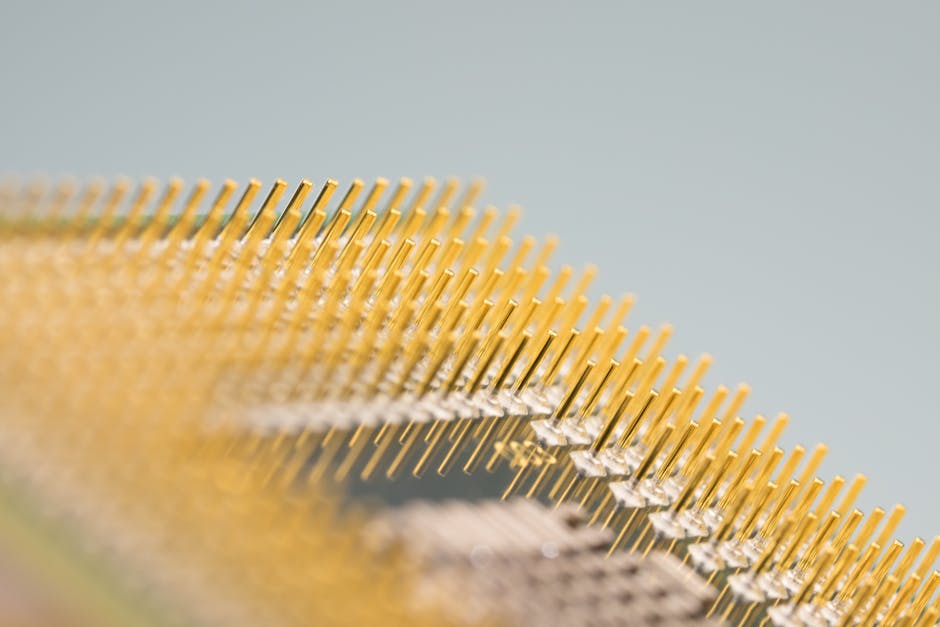
- AMD’s Zen 7 CCD will leverage TSMC’s advanced A14 node for improved performance and efficiency.
- The partnership between AMD and TSMC is crucial for AMD’s competitiveness in the semiconductor industry.
- The Zen 7 CCD aims to provide improved performance and power efficiency through enhanced transistor density and reduced power consumption.
- AMD’s collaboration with TSMC is a strategic move to stay competitive in the rapidly advancing field of semiconductor technology.
- The A14 node has garnered significant attention for its potential to drive innovation in the industry through increased transistor density and reduced power consumption.
What does the future hold for AMD’s processor technology, and how will the company’s Zen 7 CCD impact the industry? AMD’s upcoming Zen 7 CCD processor cores are expected to leverage TSMC’s advanced A14 node, a significant development that could boost performance and efficiency. As the semiconductor industry continues to evolve, this partnership is crucial for AMD’s competitiveness, and its implications will be closely watched by tech enthusiasts and industry insiders alike.
Understanding the Zen 7 CCD and TSMC’s A14 Node

The Zen 7 CCD is AMD’s next-generation processor core design, aimed at providing improved performance and power efficiency. By utilizing TSMC’s A14 node, AMD can take advantage of the node’s enhanced transistor density and reduced power consumption. This collaboration is a strategic move for AMD, as it seeks to stay competitive in the rapidly advancing field of semiconductor technology. The A14 node, in particular, is a cutting-edge manufacturing process that has garnered significant attention for its potential to drive innovation in the industry.
Evidence Supporting the Partnership

According to recent reports and industry sources, the partnership between AMD and TSMC is poised to yield significant benefits. The A14 node has been praised for its ability to increase transistor density by up to 15% and reduce power consumption by 30% compared to its predecessors. These advancements will be crucial for AMD’s Zen 7 CCD, enabling the company to create more powerful and efficient processor cores. As noted by experts, this collaboration has the potential to drive further innovation in the field of semiconductor technology.
Counter-Perspectives and Challenges

While the partnership between AMD and TSMC is expected to yield significant benefits, there are also potential challenges and counter-perspectives to consider. Some industry analysts have expressed concerns about the potential costs and complexity associated with implementing the A14 node. Additionally, the competitive landscape of the semiconductor industry is constantly evolving, with other companies like Intel and NVIDIA also investing heavily in research and development. As such, AMD will need to navigate these challenges carefully to ensure the success of its Zen 7 CCD and maintain its competitive edge.
Real-World Impact and Applications

The impact of the AMD Zen 7 CCD and TSMC’s A14 node will be felt across various industries and applications. From gaming and content creation to artificial intelligence and scientific research, the increased performance and efficiency provided by these advancements will enable new and innovative use cases. For example, the improved processing power could lead to more realistic graphics and faster rendering times in gaming, while also accelerating the development of AI models and scientific simulations. As the technology continues to evolve, it will be exciting to see the various ways in which it is utilized and the benefits it provides to users.
What This Means For You
So, what does this development mean for the average consumer? In practical terms, the AMD Zen 7 CCD and TSMC’s A14 node have the potential to provide significant performance and efficiency gains in upcoming processor releases. This could lead to improved overall system performance, increased battery life in mobile devices, and enhanced capabilities for resource-intensive applications. As the technology becomes more widely available, consumers can expect to see a range of new and innovative products that take advantage of these advancements.
As we look to the future, one question remains: how will the ongoing advancements in semiconductor technology continue to shape the industry and drive innovation? As companies like AMD and TSMC push the boundaries of what is possible, it will be exciting to see the new and innovative applications that emerge. With the AMD Zen 7 CCD and TSMC’s A14 node poised to make a significant impact, the future of processor technology is certainly bright, and it will be interesting to see how the landscape continues to evolve in the years to come.
Source: Notebookcheck