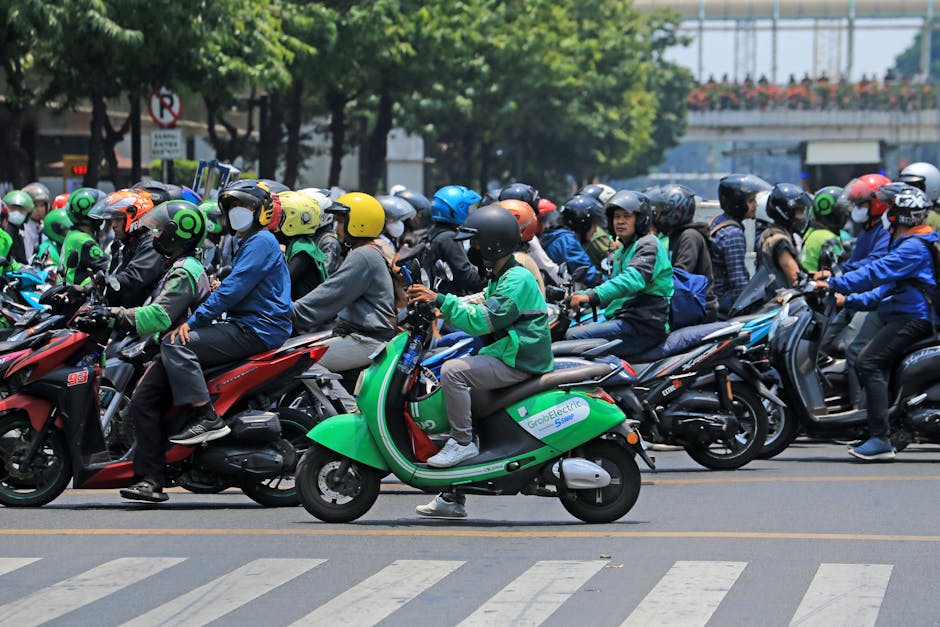
- Uber and Lyft drivers in Massachusetts have formed the first officially recognized ride-share union in the US.
- The Massachusetts Ride-Share Drivers United (MRDU) union represents approximately 80,000 drivers.
- The union is pushing for fair pay, portable benefits, and protection from unfair deactivation.
- The unionization effort challenges the foundational labor model of gig platforms, potentially inspiring similar movements.
- The state-level recognition gives the union moral and political leverage to negotiate with Uber and Lyft.
In a landmark shift for the gig economy, Uber and Lyft drivers in Massachusetts have formed the first officially recognized ride-share union in the United States. Representing approximately 80,000 drivers, the Massachusetts Ride-Share Drivers United (MRDU) union was certified after a protracted campaign advocating for fair pay, portable benefits, and protection from unfair deactivation. The unionization effort, finalized in May 2026, marks a turning point in labor rights for app-based workers who have long been classified as independent contractors. This development matters because it challenges the foundational labor model of gig platforms, potentially inspiring similar movements across states and pressuring companies to renegotiate worker terms in an industry worth over $100 billion annually.
What does this union mean for ride-share drivers?

The formation of the Massachusetts Ride-Share Drivers United (MRDU) grants drivers a formal structure to negotiate with Uber and Lyft over working conditions, though the companies are not yet legally obligated to bargain. The union secured recognition following a petition supported by thousands of drivers and backed by the Massachusetts Legislature, which passed a resolution encouraging platform companies to engage in good-faith discussions. While gig workers are not covered under federal labor laws that mandate collective bargaining, the state-level recognition gives MRDU moral and political leverage. The union aims to establish minimum earnings standards tied to time and distance, introduce a transparent appeals process for account deactivations, and advocate for healthcare subsidies and injury protection—issues that have long plagued app-based drivers operating without traditional employee safeguards.
What evidence supports this breakthrough?

The union’s success builds on years of organizing and incremental policy victories. In 2020, Massachusetts passed Question 1, a ballot initiative that required ride-share companies to provide drivers with minimum earnings guarantees, healthcare stipends, and the right to unionize—though the latter was non-binding at the time. According to Reuters, over 70% of participating drivers supported union recognition through a confidential card-check process administered by a third party. Labor advocates, including the Service Employees International Union (SEIU), provided legal and logistical support. Legal scholars point to California’s AB5 law and its partial rollback via Proposition 22 as a cautionary tale, but Massachusetts’ hybrid model—balancing gig flexibility with enforceable standards—may offer a more sustainable path. The campaign also gained momentum from high-profile protests, including a 2025 strike during Boston’s Marathon week that disrupted service and drew national media attention.
What are the counter-perspectives?

Critics, including Uber and Lyft executives, argue that unionization threatens the flexibility that drivers value most. In a statement, an Uber spokesperson said, “Drivers consistently tell us they prefer the freedom to work whenever they want without the constraints of traditional employment.” The companies also warn that mandated minimum pay and benefits could lead to higher ride prices and reduced demand, potentially decreasing driver earnings overall. Some economists caution that union representation for independent contractors exists in a legal gray area; without reclassification as employees, the union’s power to enforce agreements remains limited. Others question whether a single union can effectively represent such a diverse workforce—part-time students, full-time earners, and immigrants—whose priorities may conflict. There are also concerns that if companies resist engagement, the union could become symbolic rather than transformative, echoing earlier efforts in New York City that achieved minimal concrete gains.
What is the real-world impact?

The Massachusetts union could catalyze similar efforts in other states. Legislators in New York, Illinois, and Washington have already introduced bills to grant organizing rights to gig workers, citing the Massachusetts model. For drivers, even non-binding negotiations could yield improvements: Uber recently piloted a customer tipping feature in Boston following union pressure, and both companies have increased base fares in the state by 15% since 2024. The union is also exploring portable benefits systems, where drivers accrue healthcare or retirement savings across multiple platforms—a concept endorsed by the U.S. Department of Labor in a 2025 white paper. If successful, this could redefine gig work from a series of transactional jobs into a more stable career path. Conversely, if companies respond by reducing incentives or exiting the state, drivers could face immediate hardship, making the next 12–18 months a critical test period.
What This Means For You
Whether you’re a gig worker, rider, or policymaker, the Massachusetts union sets a precedent for how the future of work is negotiated. For drivers elsewhere, it offers a blueprint for collective action. For riders, it may mean slightly higher fares but more reliable, professionalized service. For tech platforms, it signals growing regulatory and social pressure to rethink labor models. The outcome could influence upcoming federal legislation, including the proposed PRO Act, which seeks to expand union rights to independent contractors.
Will other states follow Massachusetts, or will corporate pushback stall the momentum? And if unions grow, how will platforms adapt—through negotiation, litigation, or business model changes? The answer may determine whether the gig economy evolves into a fairer system or doubles down on its current structure.
Source: Reuters