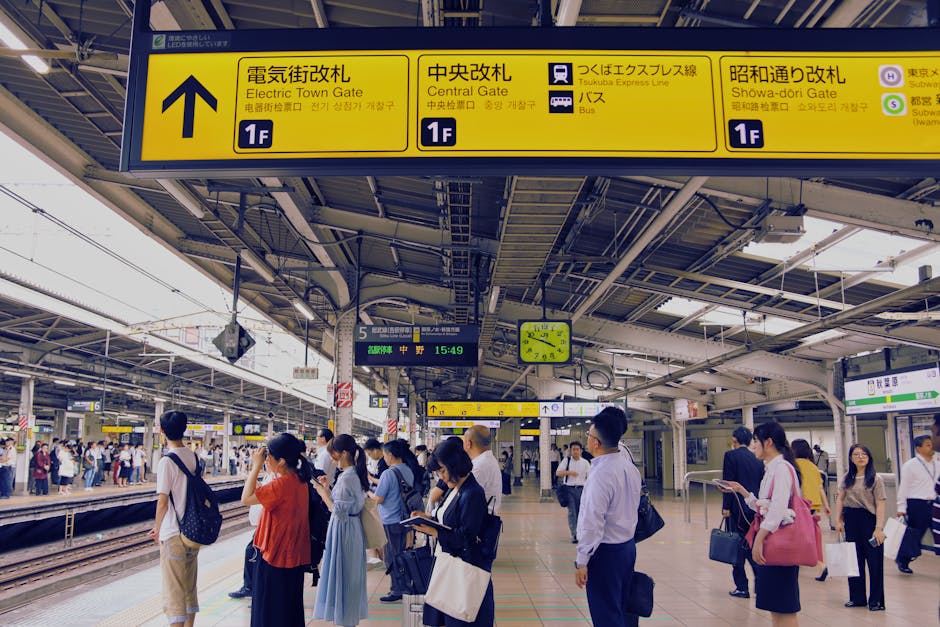
- At least 20 people were hospitalized in Tokyo after an unknown substance was sprayed in a crowded subway station.
- The incident occurred during morning rush hour at the Yurakucho Station in central Tokyo on April 9, 2024.
- Victims reported symptoms including eye irritation, difficulty breathing, and nausea, but no life-threatening injuries were confirmed.
- The substance remains unidentified, and police have launched an investigation into the motive and source.
- The incident highlights growing concerns over public safety in densely populated urban transit systems.
More than 20 people were hospitalized in Tokyo after an unknown substance was sprayed in a crowded subway station, according to Japanese authorities. The incident occurred during morning rush hour at the Yurakucho Station in central Tokyo on Tuesday, April 9, 2024, prompting an immediate evacuation and emergency medical response. Victims reported symptoms including eye irritation, difficulty breathing, and nausea, though no life-threatening injuries were confirmed. The substance remains unidentified, and police have launched an investigation into the motive and source. The event underscores growing concerns over public safety in densely populated urban transit systems, particularly in a country with historically low rates of violent crime but rising anxiety over unpredictable attacks.
What Happened at Yurakucho Station

At approximately 8:15 a.m. local time, multiple passengers reported a sudden, pungent spray in the underground concourse of Yurakucho Station, a major interchange linking several Tokyo Metro and JR East lines. Witnesses described a fine mist or aerosol released near ticket gates, quickly spreading through the enclosed space. Within minutes, over 20 individuals began exhibiting acute discomfort, prompting station staff to initiate emergency protocols. Fire and ambulance crews arrived swiftly, administering oxygen and decontamination procedures on-site before transporting the affected to nearby hospitals. While most were treated and released the same day, several remained under observation for respiratory complications. Authorities cordoned off sections of the station for forensic analysis, and surveillance footage is being reviewed to identify the suspect, who reportedly fled the scene on foot.
The Context of Urban Security in Tokyo

Tokyo, long considered one of the safest megacities in the world, has seen a subtle but notable shift in public safety concerns in recent years. While violent crime remains exceptionally low by global standards, incidents involving unexplained substances, suspicious packages, and lone-actor disruptions have increased slightly since 2020. This event echoes a 2021 case in which a man released a foul-smelling liquid on a Tokyo train, later identified as a non-lethal irritant. Japan’s stringent gun control and pervasive surveillance contribute to its security reputation, but its transit networks—used by over 15 million passengers daily—remain vulnerable to non-traditional threats. The government has since bolstered monitoring and rapid response units, though experts argue that chemical or biological agents, even if non-lethal, can cause disproportionate panic and economic disruption in tightly packed environments.
The People Behind the Response

The coordinated response involved Tokyo Fire Department hazmat units, Metropolitan Police investigators, and medical personnel from multiple city hospitals. Public health officials emphasized that the absence of fatalities or severe toxicity suggests the substance was either diluted or not inherently deadly, though full lab results are pending. The suspect, described as a lone individual wearing a mask and dark clothing, has not been apprehended. Analysts suggest such incidents may reflect broader societal stressors, including rising isolation and mental health challenges in urban Japan. While terrorism has not been ruled out, authorities are also considering the possibility of a targeted act of personal grievance or psychological disturbance. The motivation remains unclear, but the swift police mobilization reflects heightened alertness in the wake of similar global incidents.
Immediate and Long-Term Consequences

The incident disrupted train services for several hours, affecting thousands of commuters and drawing national media attention. Beyond the immediate health impact, it has reignited debate over the adequacy of chemical detection systems in public transit. Tokyo Metro and JR East have pledged to review security protocols, including the deployment of real-time air quality sensors and increased presence of emergency-trained staff. For the public, the event has eroded a sense of invulnerability long associated with Japan’s transit system. Health authorities warn that even non-toxic sprays can trigger serious reactions in individuals with preexisting conditions, underscoring the need for rapid triage capabilities. The economic cost of such disruptions—measured in lost productivity and emergency response—is also prompting reassessment of urban resilience strategies.
The Bigger Picture
This attack, while not on the scale of past terrorist incidents, fits a global pattern of low-tech, high-impact disruptions in public spaces. From London to Seoul, cities are grappling with how to defend against easily accessible but psychologically potent threats. As the BBC has reported, similar aerosol attacks have occurred in South Korea and China, often involving pepper spray or industrial solvents. The Tokyo incident highlights the vulnerability of soft targets and the difficulty of preventing attacks that require minimal planning or resources. In an era of heightened anxiety, even symbolic acts can strain public trust and demand costly countermeasures.
As forensic analysis continues, Japanese authorities are urging the public to remain vigilant without succumbing to fear. The investigation may take weeks to determine the exact nature of the substance and the suspect’s background. In the meantime, transit agencies across Japan are conducting emergency drills and reviewing surveillance coordination. The event serves as a stark reminder that in hyper-connected urban environments, public safety depends not just on policing, but on preparedness for the unpredictable. What happened in Yurakucho may be isolated—but its implications are national, even global.
Source: News