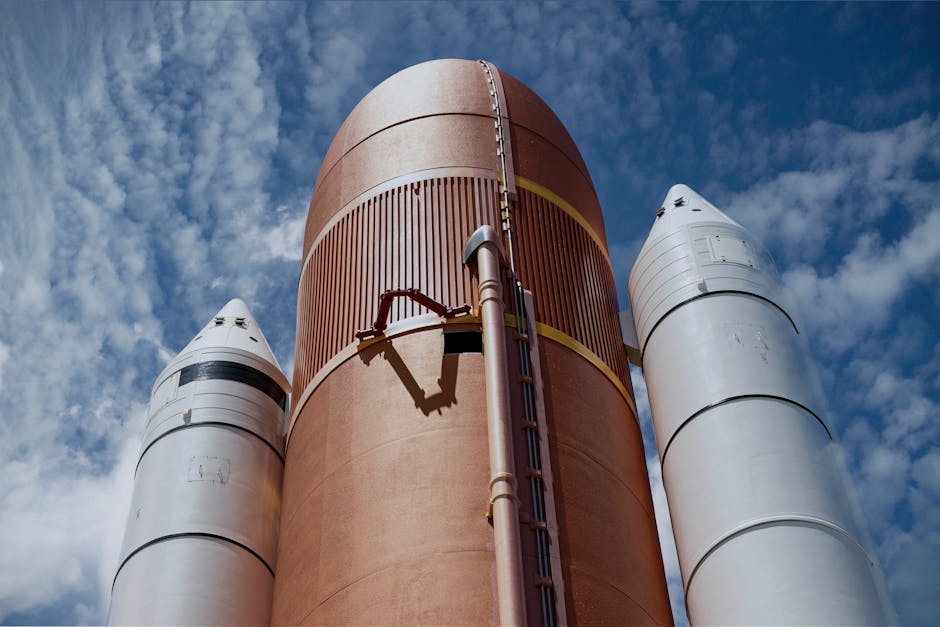
- Starship V3 achieved multiple key objectives in its test flight, including stage separation and controlled descent testing.
- The launch represented a critical milestone in the development of a fully reusable spacecraft for human missions to the Moon, Mars, and beyond.
- Improved heat shielding, enhanced engine reliability, and successful hot-stage separation contributed to the success of the V3 flight.
- The test flight brought SpaceX closer to operational readiness for the Artemis III lunar landing mission.
- The Starship V3 flight was the most advanced yet, with greater stability during ascent and initial descent phases.
SpaceX successfully launched its Starship V3 rocket on a test flight from its Starbase facility in Boca Chica, Texas, following a previous abort, marking the most advanced flight yet of the world’s largest and most powerful rocket. The launch, which occurred on March 14, 2024, represented a critical milestone in the development of a fully reusable spacecraft designed to carry humans to the Moon, Mars, and beyond. Unlike earlier prototypes that ended in explosions or lost control, this flight achieved multiple key objectives, including stage separation and controlled descent testing, bringing SpaceX closer to operational readiness. The success matters now because NASA is relying on Starship for its Artemis III lunar landing mission, and delays or failures could impact the timeline for returning humans to the Moon by 2026.
What changed in the Starship V3 test flight?

The Starship V3 launch introduced significant design and operational upgrades over its predecessors, most notably improved heat shielding, enhanced engine reliability, and a successful hot-stage separation between the Super Heavy booster and the upper Starship vehicle. Unlike the first test in April 2023, which ended in a mid-air explosion before stage separation, and the second in November 2023, which achieved separation but lost control shortly after, the V3 flight completed both ascent and initial descent phases with greater stability. SpaceX engineers also implemented new flight software to improve real-time thrust vectoring and navigation. These changes reflect an accelerated development cycle based on rapid iteration and data collection from past failures. The V3 version includes 33 Raptor engines on the Super Heavy booster and six on the Starship spacecraft, producing over 17 million pounds of thrust at liftoff—more than any rocket in history, including NASA’s Saturn V and Space Launch System (SLS).
What evidence supports the success of the V3 mission?

Live telemetry from SpaceX and independent tracking sources confirmed that Starship V3 achieved stage separation at approximately 2 minutes and 45 seconds into the flight, with the Super Heavy booster executing a partial boost-back burn before losing contact over the Gulf of Mexico. Meanwhile, the Starship upper stage reached an altitude of over 140 kilometers, briefly entering space, and performed several in-flight maneuvers before communication was lost during reentry. Despite the loss of signal, SpaceX classified the test as a success because primary objectives were met. According to BBC News, this was the first time both vehicles flew independently post-separation with controlled flight. NASA Administrator Bill Nelson congratulated the team via social media, calling it a ‘giant leap’ for commercial spaceflight. Additionally, Federal Aviation Administration (FAA) clearance was granted after environmental reviews, indicating regulatory confidence in SpaceX’s operational safety protocols.
What are the counter-perspectives on Starship’s progress?

Despite the apparent success, some aerospace experts urge caution in declaring Starship ready for crewed or lunar missions. Critics point out that both stages were ultimately lost—Super Heavy likely exploded during descent, and Starship broke up on reentry—highlighting unresolved challenges in reusability and thermal protection. The lack of a fully controlled ocean landing for either vehicle means full reusability has not yet been demonstrated, a cornerstone of SpaceX’s cost-reduction strategy. Environmental concerns also persist: the Boca Chica launch site borders sensitive wildlife habitats, and repeated launches have drawn scrutiny from conservation groups. In 2023, the journal Nature reported that construction and testing disrupted local ecosystems, including endangered sea turtle nesting areas. Moreover, some analysts question the economic sustainability of Starship, noting that the Artemis program depends heavily on a vehicle still in experimental phases, raising risks for government-backed timelines.
What is the real-world impact of Starship’s test success?

The successful test flight accelerates plans for both NASA and private space ventures. Starship is the designated lander for NASA’s Artemis III mission, which aims to return astronauts to the lunar surface by 2026—potentially the first human Moon landing since 1972. Delays in Starship development have already pushed back Artemis timelines, so this flight helps restore confidence in the schedule. Beyond government use, Starship could revolutionize satellite deployment, enabling the launch of massive payloads like next-generation space telescopes or modular space stations. SpaceX also envisions using Starship for point-to-point Earth travel, though that remains speculative. Commercial partners, including private astronaut mission organizers and satellite operators, are closely watching progress, as reliable, low-cost access to orbit could unlock new markets in space manufacturing, tourism, and even asteroid mining.
What This Means For You
While Starship may seem distant from everyday life, its development signals a shift toward more accessible and affordable space technology, which could eventually lead to faster global travel, improved satellite internet, and breakthroughs in climate monitoring. The rocket’s success also underscores the growing role of private companies in advancing space exploration, a trend that may influence future scientific discovery and international cooperation. As testing continues, watchdogs will balance innovation with environmental and safety concerns.
With Starship V3 achieving key milestones, the next major question is whether SpaceX can achieve full reusability and safe landings—critical for sustainable operations. Can the company scale up launch frequency while meeting regulatory and ecological standards? And how will NASA adapt if further delays occur? These questions will define the next phase of the new space age.
Source: BBC