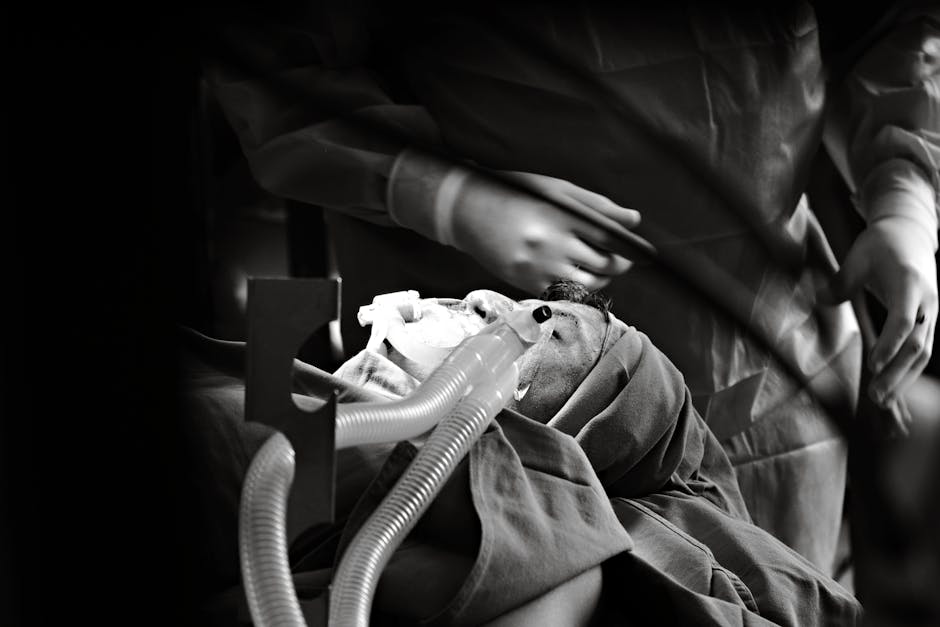
- Sepsis affects over 1.7 million people in the US annually, resulting in nearly 270,000 deaths.
- Prompt medical attention is crucial in preventing sepsis-related organ damage and fatalities.
- Recognizing signs of infection, such as fever and rapid heart rate, is key to early intervention.
- Certain individuals, like the elderly and those with weakened immune systems, are more susceptible to sepsis.
- Prompt medical attention is considered a medical emergency, justifying immediate care.
Sepsis, a potentially life-threatening condition, has been gaining attention lately, but what do we really know about it? Recently, NASCAR driver Kyle Busch spoke out about his experience with sepsis, highlighting the importance of awareness and prompt medical attention. So, what changed, and why should readers care now? The answer lies in understanding the severity and prevalence of sepsis, which affects over 1.7 million people in the United States each year, resulting in nearly 270,000 deaths.
What is Sepsis, and How Does it Occur?

Sepsis occurs when the body’s response to an infection becomes uncontrolled and causes widespread inflammation, leading to organ damage. This can happen to anyone, but certain individuals, such as the elderly, young children, and those with weakened immune systems, are more susceptible. The key to preventing sepsis is recognizing the signs of infection early on, such as fever, rapid heart rate, and difficulty breathing, and seeking medical help promptly. According to the Centers for Disease Control and Prevention, sepsis is a medical emergency that requires immediate attention.
Understanding the Causes and Risk Factors

While anyone can develop sepsis, certain factors increase the risk. These include underlying medical conditions, such as diabetes, kidney disease, or liver disease, as well as a compromised immune system due to cancer treatment, HIV/AIDS, or taking immunosuppressive drugs. Additionally, invasive medical devices, such as catheters or ventilators, can also increase the risk of developing sepsis. The World Health Organization emphasizes the importance of proper infection control practices to prevent sepsis.
Addressing Misconceptions and Skepticism

Despite the growing awareness, misconceptions about sepsis persist. Some people believe that sepsis only occurs in hospitals, while others think it’s just a minor infection. However, sepsis can occur anywhere, and it’s essential to recognize the signs and symptoms to seek timely medical help. Skeptics may argue that sepsis is overdiagnosed or that the risks are exaggerated, but the data suggests otherwise. According to a study published in the Journal of the American Medical Association, sepsis is a leading cause of death in hospitals, and prompt recognition and treatment are crucial to improving outcomes.
Real-World Impact and Consequences

The consequences of sepsis can be devastating, ranging from organ failure to death. In addition to the human toll, sepsis also has significant economic implications, with estimated annual costs in the United States exceeding $24 billion. Furthermore, sepsis can have long-term effects on survivors, including cognitive impairment, chronic pain, and decreased quality of life. It’s essential to prioritize sepsis awareness and education to prevent these outcomes and improve patient care.
What This Means For You
So, what can you do to protect yourself and your loved ones from sepsis? The first step is to be aware of the signs and symptoms and seek medical help immediately if you suspect sepsis. Additionally, practicing good hygiene, getting vaccinated against infectious diseases, and avoiding unnecessary use of antibiotics can help reduce the risk. By taking these steps, you can help prevent sepsis and improve outcomes for those affected.
As we continue to learn more about sepsis, it’s essential to ask questions and seek answers. What are the most effective ways to prevent sepsis, and how can we improve recognition and treatment in different settings? By exploring these questions and staying informed, we can work together to reduce the burden of sepsis and improve healthcare outcomes for all.
Source: Cnn