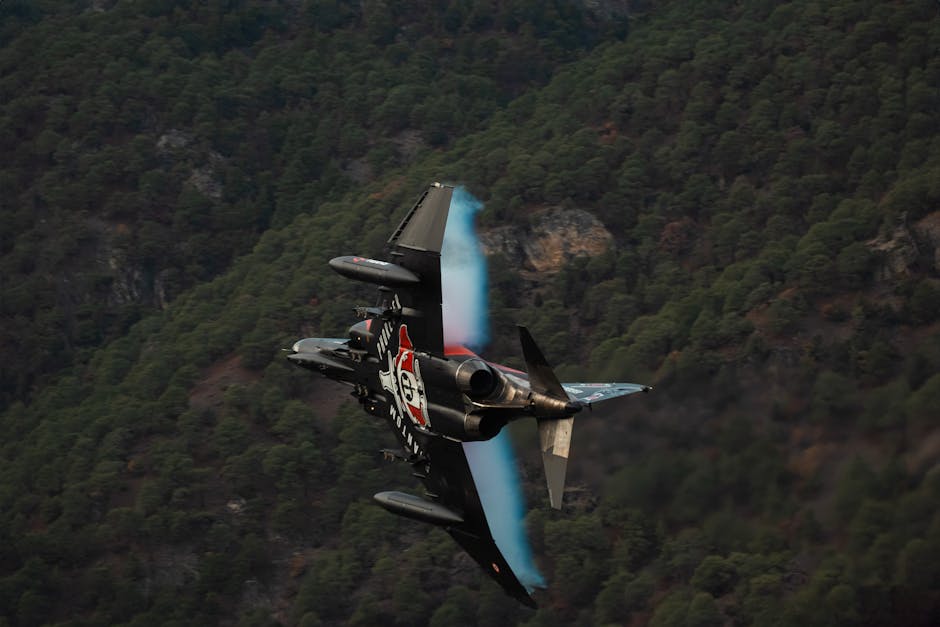
- Israel has launched 12 airstrikes in Lebanon over 24 hours in a bid to target Hezbollah positions and disrupt rocket attacks.
- Hezbollah’s rocket and drone attacks on northern Israel have intensified, posing a threat to civilian areas and military installations.
- The escalation risks derailing US-led diplomatic efforts to negotiate a renewed nuclear agreement with Iran, which supports Hezbollah.
- Analysts warn the situation could spiral into a broader regional conflict, with cross-border violence reaching its highest levels since 2006.
- US intelligence officials have detected increased Iranian-made drone activity from Lebanese territory, including models capable of carrying explosives.
Israel has dramatically escalated its military campaign in southern Lebanon, launching a series of airstrikes targeting Hezbollah positions over the past 24 hours, according to the Israeli Defense Forces (IDF). The intensified operations come as Hezbollah, the Iran-backed militant group, continues to launch rockets and drones into northern Israel, threatening civilian areas and military installations. The surge in hostilities risks derailing ongoing U.S.-led diplomatic efforts to negotiate a renewed nuclear agreement with Iran, which has long supported Hezbollah financially and militarily. With cross-border violence reaching its highest levels since 2006, analysts warn the situation could spiral into a broader regional conflict.
Escalation Across the Border

The IDF confirmed 12 coordinated strikes overnight on suspected weapons depots and command centers near Bint Jbeil and Nabatieh, destroying what it described as ‘critical infrastructure’ used by Hezbollah. U.S. intelligence officials have detected increased drone activity from Lebanese territory, including Iranian-made Shahed models capable of carrying explosives. “These attacks are not isolated incidents but part of a sustained campaign by Hezbollah to destabilize northern Israel,” said an IDF spokesperson in a statement released Tuesday. Hezbollah has claimed responsibility for multiple rocket barrages, targeting Israeli military outposts and briefly disrupting operations at Kiryat Shmona airfield.
Diplomatic Fallout and Regional Tensions

The renewed violence has cast doubt on the viability of indirect talks between the United States and Iran, mediated by Oman, aimed at curbing Tehran’s nuclear program in exchange for sanctions relief. Senior U.S. officials have expressed concern that Israel’s military actions could harden Iran’s stance. “Any escalation in Lebanon feeds into the narrative that Iran’s proxies are under attack, making compromise harder,” a State Department official told The New York Times. Meanwhile, Lebanese Prime Minister Najib Mikati has appealed for international intervention, warning of a humanitarian crisis if a full-scale invasion occurs.
Where This Stands Now

As of Wednesday morning, Israeli ground forces remain poised along the Lebanon border, conducting reconnaissance and clearing operations. Hezbollah has reinforced its positions in mountainous terrain, suggesting preparation for prolonged combat. The United Nations Interim Force in Lebanon (UNIFIL) has called for an immediate ceasefire, but with no enforcement mechanism, its influence remains limited. U.S. envoys are pushing for an emergency Security Council session, though prospects for a resolution appear slim amid geopolitical divisions. With both sides signaling readiness for wider conflict, the window for de-escalation is rapidly closing.
Source: The New York Times