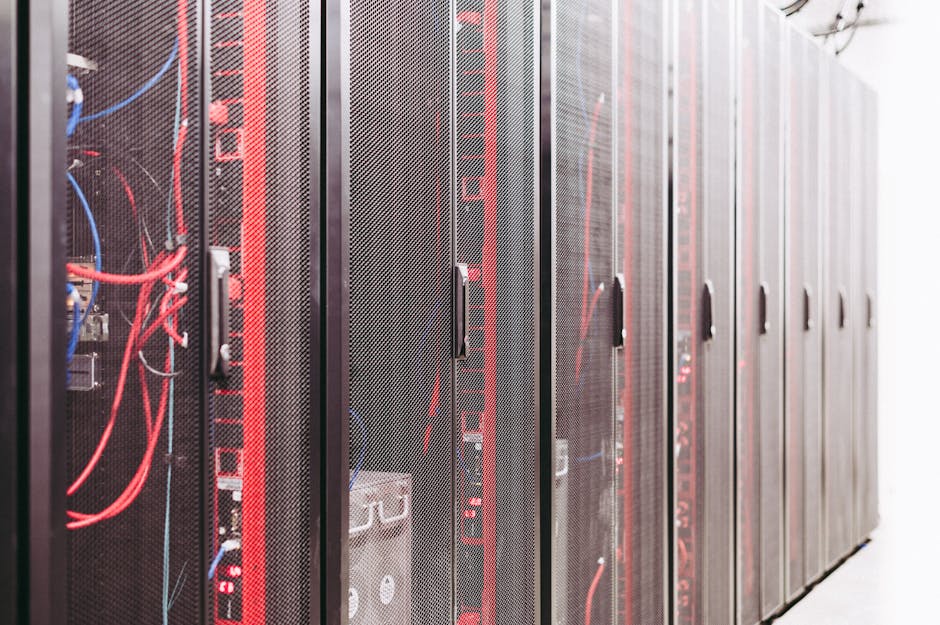
- Pennsylvania is witnessing an unprecedented surge in data center proposals, with over a dozen large-scale projects within a 30-mile radius.
- The main driver behind this growth is the increasing requirement for data storage and processing power, essential for AI systems to function efficiently.
- Rapidly growing AI technology and the need for data-driven insights are fueling the demand for data centers.
- Companies are scrambling to build new facilities due to the limited availability of existing data center capacity.
- Pennsylvania’s strategic location and favorable business environment have made it a hub for data center projects.
Pennsylvania is witnessing an unprecedented surge in data center proposals, with around a dozen large-scale projects popping up within a 30-mile radius in just one year. This sudden demand has raised questions about the actual need for these facilities, especially considering the advancements in AI technology. The main entity driving this growth is the increasing requirement for data storage and processing power, which is essential for AI systems to function efficiently.
What’s Driving the Current Demand

The current situation is characterized by an influx of data center proposals, with each project aiming to provide a significant amount of storage and processing power. The key facts surrounding this development include the rapid growth of AI technology, the increasing need for data-driven insights, and the limited availability of existing data center capacity. As a result, companies are scrambling to build new facilities to meet the rising demand, with Pennsylvania emerging as a hub for these projects due to its strategic location and favorable business environment.
The Story Behind the AI Boom

The story behind the sudden demand for data centers is rooted in the historical context of AI development. Over the past decade, AI technology has advanced significantly, with the introduction of more sophisticated algorithms and the increasing availability of large datasets. This has led to a surge in AI adoption across various industries, resulting in a massive increase in data generation and processing requirements. As AI systems continue to evolve, they require more powerful computing resources, which in turn drives the demand for data centers. The artificial intelligence industry is expected to continue growing, with data centers playing a critical role in supporting this expansion.
The Key Players Involved

The individuals and organizations shaping the data center landscape are primarily motivated by the need to support the growing AI ecosystem. Companies like OpenAI and other AI startups are driving the demand for data centers, as they require massive amounts of computing power to train and deploy their models. Additionally, traditional tech giants like Google and Amazon are also investing heavily in data center infrastructure to support their AI ambitions. These players are instrumental in shaping the future of the data center industry and the AI ecosystem as a whole.
Consequences for Stakeholders

The sudden surge in data center proposals has significant implications for stakeholders, including local communities, environmental groups, and investors. The increased demand for data centers can lead to job creation, economic growth, and improved infrastructure in the region. However, it also raises concerns about energy consumption, e-waste generation, and the potential impact on local ecosystems. As the data center industry continues to expand, stakeholders must carefully consider these consequences and work towards sustainable and responsible growth. The environmental impact of data centers is a critical issue that needs to be addressed.
The Bigger Picture
The demand for data centers is not just a local issue; it has broader implications for the global AI ecosystem. As AI technology continues to advance, the need for powerful computing resources will only increase, driving the demand for data centers. This, in turn, will have a significant impact on the environment, energy consumption, and the digital divide. Understanding the bigger picture is essential to developing sustainable and responsible solutions that balance the needs of the AI industry with the requirements of the environment and local communities. The future of AI depends on the ability to address these challenges and create a more sustainable and equitable ecosystem.
In conclusion, the sudden demand for data centers in Pennsylvania is a symptom of the broader AI boom. As the industry continues to evolve, it is essential to consider the consequences of this growth and work towards sustainable solutions. The next step will be to monitor the development of these data centers and assess their impact on the local community and the environment. With the increasing use of data science and AI, it is crucial to prioritize responsible growth and ensure that the benefits of these technologies are equitably distributed.
Source: Reddit