- Iran has chosen Tijuana, Mexico as its new World Cup training base, replacing plans to train in Arizona.
- The decision was made due to escalating tensions between Iran and the US, which posed a risk of visa denials for players and staff.
- Tijuana was selected for its favorable climate and training facilities, which are similar to those initially planned for Arizona.
- The shift to Tijuana is a symbolic move, reflecting Iran’s recalibration of priorities in the face of geopolitical challenges.
- Iran’s decision has been approved by FIFA, but the governing body has not yet officially confirmed the change.
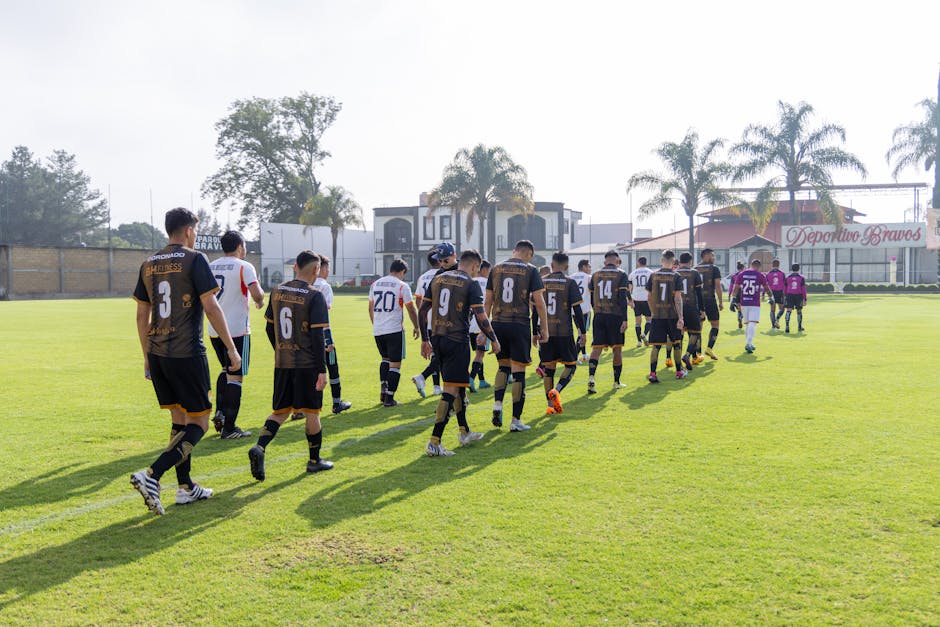
Under the blinding sun of northern Mexico, just miles from the bustling U.S. border, a new chapter in international football is quietly unfolding. In Tijuana, where the rhythms of mariachi blend with the echoes of shouting drills, the Iranian national team is preparing for a World Cup campaign unlike any before. The air is thick with anticipation—and political nuance. Once set to train in Arizona, a state chosen for its climate and facilities, Iran now pivots southward, trading desert highways for dusty training pitches just across the border. This shift is not merely logistical; it is symbolic, a recalibration shaped by geopolitics, diplomacy, and the relentless pursuit of athletic excellence under extraordinary constraints.
Iran Confirms Switch to Tijuana Base

Mehdi Taj, president of the Iran Football Federation, announced Saturday that the team’s official World Cup training base would be relocated to Tijuana, Mexico, following approval from FIFA. The decision marks a significant reversal from earlier plans to station the squad in Arizona, a location selected for its favorable weather and high-quality training infrastructure. However, escalating tensions between Iran and the United States, coupled with the persistent risk of visa denials for players and staff, prompted a strategic reassessment. While Taj emphasized that FIFA had given formal consent, the global football governing body has not yet confirmed the change. Mexican officials, meanwhile, have expressed openness to hosting the Iranian delegation, citing existing cross-border sports collaborations and streamlined entry protocols for athletic teams.
From Arizona Dreams to Diplomatic Dilemma

The original plan to base Iran’s World Cup preparations in Arizona was rooted in practicality. The state’s arid climate and world-class sports complexes—such as those in Phoenix and Tucson—offered ideal conditions for pre-tournament acclimatization. For months, Iranian officials coordinated with U.S.-based logistics teams, securing accommodations and scheduling friendly matches with regional clubs. But as geopolitical strains intensified, particularly following renewed sanctions and heightened military posturing in the Persian Gulf, the feasibility of the U.S. plan unraveled. Iranian athletes and support staff, despite holding special visas for sporting events, have historically faced delays and denials at American ports of entry. With the stakes of a World Cup cycle too high to risk last-minute disruptions, Iran began exploring alternatives, ultimately turning to Mexico—a nation with which it maintains diplomatic relations and shared time zones.
The Decision-Makers Behind the Move

The shift was spearheaded by Mehdi Taj, a veteran administrator with deep ties to Asia’s football establishment, and supported by Iran’s Ministry of Sports and Youth, which oversees international athletic participation. Taj, who has led the federation through multiple World Cup cycles, emphasized operational security and player welfare as top priorities. His team consulted with FIFA’s technical coordination unit, Mexican Football Federation officials, and international security advisors before finalizing the Tijuana option. Behind the scenes, Iran’s foreign ministry also played a role, ensuring that the relocation would not strain existing bilateral agreements. For the players, many of whom have competed in European leagues and faced travel restrictions, the move offers relief. Captain Ehsan Hajsafi, a seasoned defender with experience in Russia and Greece, welcomed the decision, stating that stability in preparation is crucial for peak performance on football’s biggest stage.
Implications for Team and Tournament

The relocation to Tijuana carries both logistical and symbolic weight. Logistically, Mexico offers proximity to the Americas, accessible flight routes to potential World Cup host nations, and compatible training environments. The city’s proximity to the U.S. border allows for continued coordination with American-based medical and technical consultants, while avoiding direct entry into a politically sensitive jurisdiction. Symbolically, the move underscores how international sports are increasingly entangled with global affairs. For FIFA, the situation presents a test of neutrality—balancing competitive fairness against the realities of diplomatic friction. Other nations with strained U.S. relations may now consider similar arrangements, setting a precedent for future tournaments. For Iran, the decision reinforces a pattern of adapting to external pressures while maintaining its presence in global competitions.
The Bigger Picture
This relocation is more than a change of venue—it reflects the growing intersection of sports, politics, and migration. As nations navigate an era of fractured alliances and travel restrictions, athletic teams are forced to become geopolitical navigators. The Iranian case highlights how even the most apolitical pursuits, like football, cannot escape the shadow of international conflict. Yet, it also demonstrates resilience—the ability to reconfigure, adapt, and compete despite barriers. In this light, Tijuana becomes more than a training ground; it becomes a statement of perseverance.
What comes next is a World Cup campaign shaped not just by tactics and talent, but by the quiet diplomacy of base camps and border crossings. As Iran fine-tunes its strategy in the echoes of Tijuana’s stadiums, the world watches—not only for goals, but for what this journey says about the limits and possibilities of sport in divided times. The final whistle is still months away, but the first moves have already resonated far beyond the pitch. Reuters and BBC Sport continue to monitor developments ahead of the tournament.
Source: The Guardian