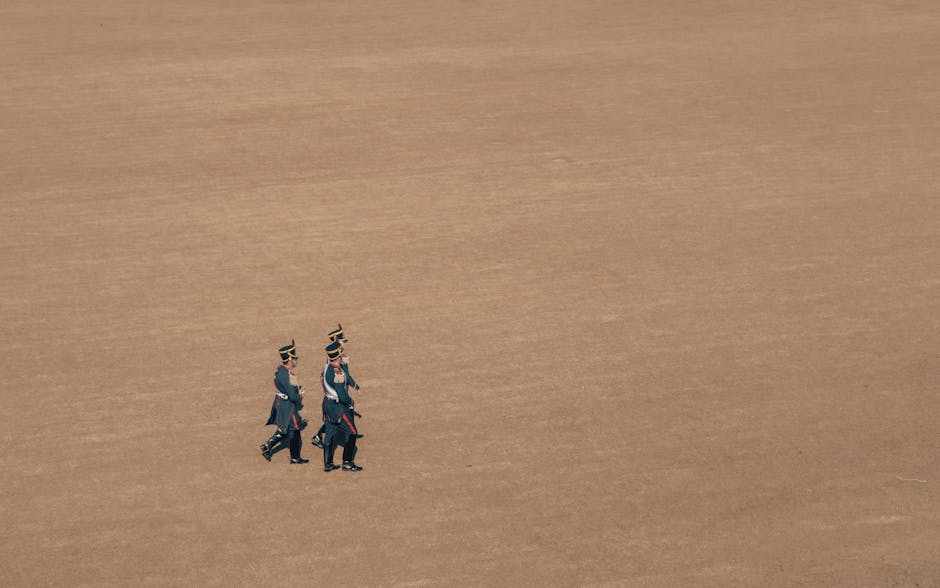
- Iran’s national soccer team has abandoned its initial World Cup 2026 training base in Arizona due to diplomatic tensions and visa complications.
- The U.S. and Iran have had no formal diplomatic relations since 1980, making travel and visa processing a significant challenge for Iranian teams.
- Iran’s decision highlights the complex realities teams from politically sensitive nations face when navigating international sports in an era of deep international divisions.
- Global sports organizations like FIFA must balance neutrality with the realities of diplomatic tensions and visa complications for teams from sensitive nations.
- The World Cup 2026 co-hosts, including the U.S., Canada, and Mexico, may need to address and resolve issues related to team travel and visa processing.
Will Iran’s national soccer team be able to prepare for the 2026 FIFA World Cup without stepping foot in the United States? That question gained urgency as Tehran announced a sudden change in plans, abandoning its initially scheduled training base in Arizona in favor of Mexico. The move, confirmed by both FIFA and the Iranian Football Federation, highlights how geopolitical tensions continue to intersect with international sports. Despite the World Cup being co-hosted by the U.S., Canada, and Mexico, Iran’s decision underscores the complex realities teams from politically sensitive nations face when navigating travel, security, and diplomacy. The question isn’t just about logistics—it’s about whether global sports can truly remain neutral in an era of deep international divisions.
Why Did Iran Move Its World Cup Base?

Iran shifted its World Cup 2026 training base from Arizona to Mexico primarily due to diplomatic tensions and persistent visa complications for its delegation in the United States. Although FIFA had approved Arizona as a training site, Iranian officials cited unreliable visa processing, heightened scrutiny at U.S. borders, and concerns over potential disruptions as key reasons for the change. The U.S. and Iran have had no formal diplomatic relations since 1980, and Iranian travelers—especially government-affiliated groups like sports delegations—often face extended delays and denials. By relocating to Mexico, a country with which Iran maintains diplomatic ties and easier travel protocols, the team ensures smoother logistics and reduced political risk. FIFA confirmed the change, stating that such adjustments are permitted under tournament guidelines as long as host nations coordinate with organizers.
What Evidence Supports This Decision?

Multiple reports from Reuters and statements by the Iranian Football Federation confirm that visa delays were a decisive factor. In early 2024, Iranian team staff attempting to secure U.S. entry for preliminary site visits encountered prolonged processing times and opaque requirements. A senior official told state media that “even routine administrative procedures turned into diplomatic hurdles.” FIFA’s policy allows teams to establish training camps in any of the three host countries, and Mexico has actively welcomed international squads with streamlined access. Additionally, Iran already has an established relationship with Mexican football institutions, including past friendly matches and training collaborations in Guadalajara. According to BBC Sport, at least four other nations with complex U.S. visa histories are considering similar arrangements, suggesting a broader trend.
Are There Counterarguments to This Move?

Some analysts argue that avoiding the U.S. may ultimately limit Iran’s preparation for the realities of the tournament itself. Since 60 of the 104 World Cup matches will be held in American cities, acclimating to U.S. time zones, weather, and infrastructure could be a strategic disadvantage if skipped entirely. Critics also point out that other nations with strained relations to the U.S., such as Cuba or Syria, have previously sent sports teams under special visa arrangements coordinated by FIFA and host governments. Some view Iran’s move as overly cautious or politically symbolic, potentially reinforcing divisions rather than overcoming them through sport. There’s also concern that normalizing alternative bases could erode the unity of the host-nation experience. However, Iranian officials maintain that their priority is team stability and uninterrupted preparation—not making political statements.
What Is the Real-World Impact of This Shift?

The relocation has immediate implications for Iran’s training schedule and its diplomatic visibility during the World Cup. By basing operations in Mexico, the team will likely play warm-up matches against CONCACAF nations and use Mexican stadiums that mirror conditions in the southern U.S. This could strengthen regional sports ties but may reduce media exposure in the English-language global market. Logistically, the move simplifies travel for Iranian staff, families, and support personnel who would otherwise face uncertainty in the U.S. It also sets a precedent: if more teams from politically sensitive countries follow suit, the U.S. risks becoming a host in name only for certain participants. This could challenge FIFA’s vision of a unified, accessible tournament and raise questions about equitable access in international sports.
What This Means For You
For fans and observers, Iran’s decision reflects how global politics continues to shape even the most celebrated international events. While the World Cup aims to transcend borders, this move reminds us that not all teams experience equal access. If you’re following the 2026 tournament, expect more teams to weigh political and logistical factors as heavily as athletic ones. The games may be played on the field, but the preparations often happen in the realm of diplomacy.
Will future international tournaments need to build in political risk assessments as standard planning? As more nations face visa barriers, security concerns, or diplomatic friction, the sports world may need new frameworks to ensure fairness and inclusion—beyond just the rules of the game.
Source: Al Jazeera