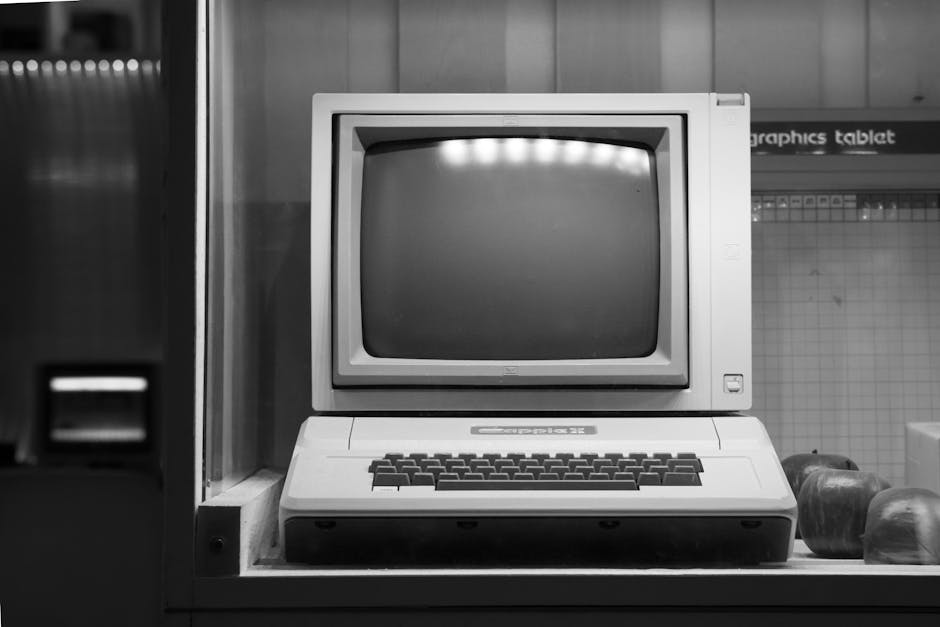
- Microsoft has released the source code for early versions of MS-DOS, marking a significant milestone in preserving computing history.
- The released code, dated 1980 and 1981, predates Microsoft’s partnership with IBM and reveals the technical foundations of early personal computing.
- The open-source release enables historians, developers, and educators to study the architectural decisions that shaped the personal computing revolution.
- The released code is the oldest known surviving version of the operating system that became the backbone of early personal computing.
- Microsoft purchased the rights to 86-DOS in 1981 for $50,000 and adapted it into MS-DOS, the default OS for IBM PC shipments starting in 1982.
Microsoft has released the source code for 86-DOS 0.3 and 0.33—the earliest known versions of the operating system that would become MS-DOS—under an open-source license, marking a pivotal moment in the preservation of computing history. These versions, dating from 1980 and 1981, predate Microsoft’s formal partnership with IBM and reveal the technical foundations of the software that powered the first generation of IBM PC-compatible machines. By placing this code in the public domain through the MIT License, Microsoft enables historians, developers, and educators to study the architectural decisions that shaped the personal computing revolution.
The Earliest Surviving DOS Codebase

The newly released 86-DOS versions—0.3 and 0.33—represent the oldest known surviving versions of the operating system that would become the backbone of early personal computing. Originally developed by Tim Paterson at Seattle Computer Products (SCP) as QDOS (Quick and Dirty Operating System), 86-DOS was designed to run on Intel 8086 processors and mimic the interface of Digital Research’s CP/M. Microsoft purchased the rights to 86-DOS in 1981 for $50,000 and adapted it into what became MS-DOS, the default OS for IBM PC shipments starting in 1982. According to Microsoft’s announcement on its open-source blog, this specific source code was discovered in a collection of early engineering artifacts and verified as the earliest known version to date. The code includes core components such as the kernel, file system, and command-line interpreter, offering a rare glimpse into the minimalist design philosophy of early operating systems, where efficiency and compatibility were paramount. This release is part of Microsoft’s broader effort to preserve software history in collaboration with the Computer History Museum.
Key Players in the DOS Origin Story

The development and acquisition of 86-DOS involved a small but influential group of engineers and entrepreneurs who shaped the trajectory of personal computing. Tim Paterson, then a 22-year-old engineer at SCP, created 86-DOS in six weeks to support SCP’s 8086-based hardware, aiming to replicate CP/M’s functionality without licensing it. Microsoft, led by Bill Gates and Paul Allen, recognized the strategic value of a standalone operating system for the upcoming IBM PC project. In July 1981, Microsoft acquired full rights to 86-DOS from SCP, rebranding it as MS-DOS and licensing it non-exclusively to IBM. This decision—rather than selling outright—allowed Microsoft to license the OS to other manufacturers, a move that catalyzed the PC clone market and cemented Microsoft’s dominance. Today, Paterson is recognized as a pioneer in operating system design, and his original documentation, preserved alongside the source code, provides context for how constraints like limited memory (typically 64KB) and lack of multitasking shaped early software engineering.
Trade-Offs Between Preservation and Practical Use

While the release of 86-DOS source code holds immense historical value, its practical utility in modern development is limited. The code is written in 8086 assembly language and designed for hardware environments that no longer exist, making direct adaptation infeasible for contemporary applications. However, the educational and archival benefits are substantial: researchers can analyze early design patterns, such as flat memory models and BIOS abstraction, that influenced later operating systems. On the other hand, open-sourcing legacy code carries minor legal and security risks—though Microsoft has confirmed this release does not include any third-party intellectual property. The decision also raises questions about what constitutes ‘usable’ open-source software: while this code will not power new systems, it serves as a critical reference for emulation projects, academic curricula, and software archaeology. By choosing the permissive MIT License, Microsoft ensures maximum accessibility without endorsement or warranty.
Why This Release Matters Now

The timing of this release aligns with growing institutional interest in software heritage and digital preservation. As computing systems age, source code from the 1970s and 1980s risks permanent loss due to media degradation and proprietary lock-in. Organizations like the Computer History Museum have long advocated for the public release of foundational codebases. Microsoft’s move follows previous open-sourcing efforts, including MS-DOS 1.25 and early versions of Windows. What’s different now is the focus on pre-MS-DOS origins—code that predates Microsoft’s rise as a software giant. This shift reflects a maturation in how tech companies approach their legacy: not as proprietary secrets, but as cultural artifacts. With increasing attention on AI-generated code and software transparency, preserving historical baselines becomes essential for understanding the evolution of programming practices.
Where We Go From Here
Over the next 12 months, the 86-DOS release could catalyze several developments. First, academic institutions may integrate the code into computer science curricula, using it to teach low-level system design. Second, emulator developers—such as those behind PCjs or DOSBox—could refine accuracy by referencing original logic. Third, Microsoft may continue unearthing and releasing other early code, such as prototypes of Windows 1.0 or internal development tools. While no commercial applications are expected, community-driven projects like annotated source walkthroughs or interactive tutorials are likely to emerge. These efforts will help bridge the gap between modern abstraction and the hands-on constraints of early computing.
Bottom line — this release is not a technical breakthrough, but a vital act of historical stewardship that illuminates the foundational layer of the digital age.
Source: Ars Technica