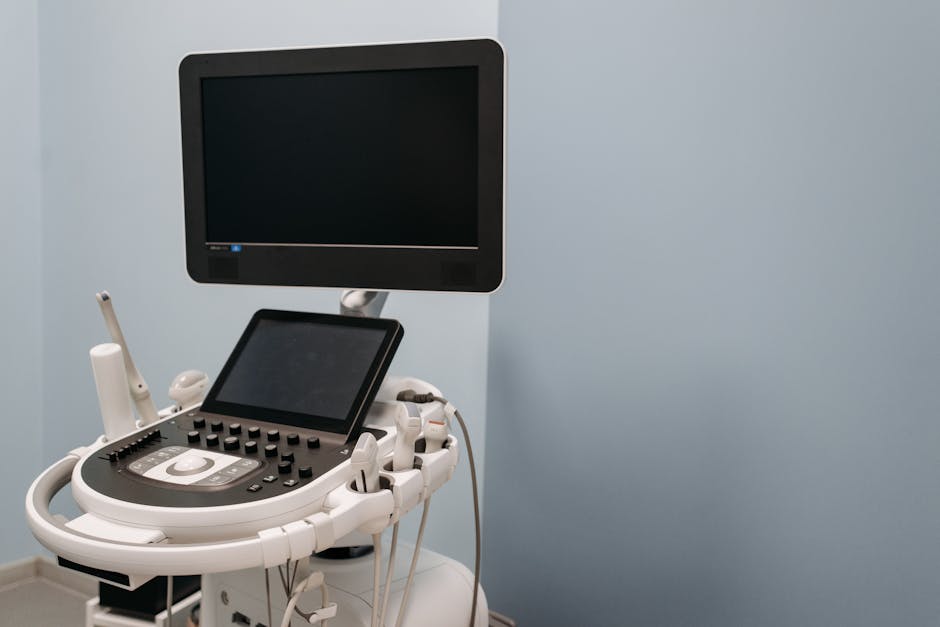
- Japan has implemented a nationwide nurse-led ultrasound screening program for infants at six weeks of age to detect developmental dysplasia of the hip (DDH).
- The program has led to a significant 8.7% detection rate of suspected DDH, including cases with no visible symptoms or known risk factors.
- The standardized screening program has transformed the fragmented, clinic-dependent process into a seamless, community-wide effort.
- The results of the program have been published in the International Journal of Nursing Studies, revealing the effectiveness of early, widespread screening.
- The program has shown promise in uncovering hidden threats to infant mobility and preventing lifelong disabilities.
In a quiet neighborhood clinic on the outskirts of Kyoto, a public health nurse gently positions a six-week-old infant on a padded table, her hands steady as she applies a small ultrasound probe to the baby’s hip. The room, softly lit and lined with illustrated child development charts, hums with the quiet focus of early intervention. Parents watch closely, reassured by the nurse’s calm demeanor. This moment—repeated thousands of times across Japan—is part of a quiet revolution in pediatric care. What was once a fragmented, clinic-dependent screening process has transformed into a seamless, community-wide effort to catch developmental dysplasia of the hip (DDH) before it leads to lifelong disability. The results, recently published in the International Journal of Nursing Studies, reveal a striking 8.7% detection rate of suspected DDH, including cases with no visible symptoms or known risk factors—an indication that early, widespread screening is uncovering hidden threats to infant mobility.
Universal Screening Detects Hidden Hip Abnormalities

The trial, led by researchers at the University of Tokyo, implemented a standardized, nurse-led ultrasound screening program for all infants at six weeks of age across multiple urban and rural communities in Japan. Nearly 98% of eligible infants were screened, a coverage rate far exceeding most national programs worldwide. Of those screened, 8.7%—nearly one in eleven babies—showed signs consistent with developmental dysplasia of the hip, a condition where the hip joint does not form properly and can lead to dislocation, limping, or early-onset arthritis if untreated. Crucially, many of these cases lacked the traditional clinical markers—such as leg length discrepancy or limited hip abduction—typically used to trigger diagnostic testing. The study also found that a significant number of affected infants had no known risk factors, such as breech birth or family history, challenging the conventional reliance on risk-based screening protocols. By shifting to universal, community-based ultrasound exams performed by trained nurses, the program has effectively dismantled access barriers and diagnostic delays that have long plagued DDH detection.
The Long Road to Early Detection

For decades, the global standard for DDH screening has been a two-tiered approach: physical examination at birth and follow-up visits, with imaging reserved for infants showing clinical signs or possessing risk factors. However, studies have consistently shown this model misses up to 50% of cases, particularly in infants with subtle or asymptomatic presentations. In Japan, where pediatric orthopedic care is highly specialized but often centralized, rural families have historically faced long waits and travel burdens to access diagnostic imaging. The roots of the current trial lie in earlier pilot programs launched in the 2010s, when public health nurses in Nagano Prefecture began advocating for expanded roles in musculoskeletal screening. Encouraged by small-scale success, the Ministry of Health, Labour and Welfare began funding training initiatives for nurses in musculoskeletal ultrasound, culminating in the nationwide trial evaluated by the University of Tokyo. This shift reflects a broader global trend toward task-shifting in preventive care, where skilled non-physician providers deliver time-sensitive interventions at the community level.
Nurses at the Forefront of Infant Health

The success of the program hinges on Japan’s robust network of public health nurses—uniquely positioned within the community to deliver preventive care. These nurses, already responsible for routine infant check-ups, growth monitoring, and vaccination programs, underwent specialized training in pediatric hip ultrasound, standardized diagnostic criteria, and parental counseling. Their deep integration into local health centers allowed for seamless coordination with families, reducing no-show rates and increasing trust in the screening process. Researchers emphasize that the nurses’ dual role as both clinicians and community liaisons was critical: they could explain findings in culturally appropriate ways, alleviate parental anxiety, and ensure timely referrals. Motivated by a public health ethos and supported by clear clinical protocols, these nurses have redefined the scope of community-based pediatrics, proving that early detection does not require hospitalization or specialist dependency.
Implications for Global Pediatric Care

The implications of Japan’s model extend far beyond its borders. In low- and middle-income countries, where pediatric orthopedic specialists are scarce, a nurse-led screening approach could dramatically reduce the burden of untreated DDH, a leading cause of childhood disability worldwide. Even in high-income nations like the United States and the UK, where screening practices remain inconsistent, the Japanese trial offers a blueprint for equity and efficiency. By catching cases early, the program not only prevents long-term physical impairments but also reduces the need for invasive surgeries, prolonged bracing, and repeated imaging. Health economists involved in the study estimate that widespread adoption could save millions in lifetime medical costs per cohort. Moreover, the high detection rate suggests that current risk-based models may be fundamentally flawed, underestimating the true prevalence of DDH in the general population.
The Bigger Picture
This trial underscores a growing truth in global health: the most effective interventions are often not technological breakthroughs, but systemic innovations that empower frontline providers and prioritize accessibility. Japan’s success with nurse-led hip screening challenges the assumption that early diagnosis requires specialist infrastructure. Instead, it demonstrates that with proper training and support, community health workers can deliver high-precision care at scale. As the World Health Organization continues to advocate for integrated, primary-care-centered models, this study offers concrete evidence of what’s possible when policy, training, and community trust align.
What comes next is a critical window for translation. Researchers are now collaborating with international health agencies to adapt the protocol for diverse health systems. Questions remain about cost-effectiveness in different settings and the long-term outcomes of infants diagnosed through this method. Yet one message is clear: universal, community-based screening for developmental dysplasia of the hip is not only feasible but profoundly impactful. The soft hum of an ultrasound machine in a neighborhood clinic may just be the sound of a generation walking a little more easily.
Source: MedicalXpress