- The Digital Millennium Copyright Act (DMCA) restricts independent repairs of consumer electronics and heavy machinery.
- Manufacturers use the DMCA to protect intellectual property and cybersecurity, but critics argue it’s a profit-driven strategy.
- Over 40% of consumer electronics rely on software protections that restrict user repair, according to the Electronic Frontier Foundation.
- The DMCA was originally designed to stop digital piracy but is now used to block independent repairs.
- Anti-circumvention claims under the DMCA have been used in over 200 repair-related enforcement actions.
In a Nebraska cornfield last spring, a farmer powered up his $300,000 combine only to be met with a blinking error code. The machine, manufactured by a global agribusiness giant, refused to operate. He knew the fix: a software reset buried in the firmware. But under federal law, accessing that code could land him in court. Miles away, a Brooklyn teenager tried to replace her cracked iPhone screen, only to find the device disabled after third-party calibration. These aren’t isolated cases. From tractors to pacemakers, everyday objects now come locked behind digital gates—gates built not by engineers, but by Hollywood lawyers in the 1980s terrified of VCRs.
The Digital Lockdown of Everyday Devices

Today, over 40% of consumer electronics and heavy machinery rely on software protections that legally restrict user repair, according to the Electronic Frontier Foundation. These barriers are enforced through the Digital Millennium Copyright Act (DMCA) of 1998, a law originally designed to stop digital piracy but now routinely used to block independent repairs. Manufacturers argue that restricting access protects intellectual property and cybersecurity. But critics say it’s a profit-driven strategy to monopolize after-sales service and force replacements. The U.S. Federal Trade Commission reported in 2021 that anti-circumvention claims under the DMCA have been used in over 200 repair-related enforcement actions—against farmers, small mechanics, and even hospitals trying to fix life-saving equipment. In 2023, Nebraska became the latest state to introduce right-to-repair legislation, joining 30 others in a patchwork legal fight against corporate control.
From Betamax to DRM: The Birth of a Doctrine

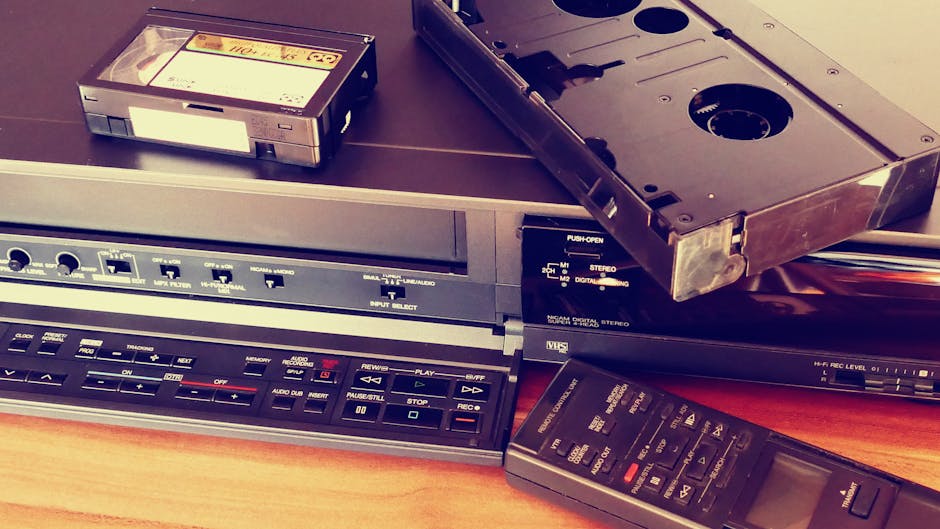
The roots of today’s repair crisis trace back to the 1970s, when Hollywood studios sued Sony over its Betamax VCR, claiming that recording TV shows at home violated copyright. In the landmark 1984 case Universal City Studios v. Sony Corp., the Supreme Court ruled that time-shifting was fair use. But the entertainment industry didn’t surrender. Instead, it lobbied for new legal tools to control how technology was used. That effort culminated in the DMCA, which made it illegal to bypass digital locks—even for legal purposes. The law’s anti-circumvention clause, Section 1201, became a Swiss Army knife for manufacturers. Originally meant to stop movie piracy, it now shields software in tractors, washing machines, and smartphones. As the Electronic Frontier Foundation notes, the DMCA has been weaponized far beyond its original intent, creating a legal framework where owning a device no longer means you can control it.
The Farmers, Tinkerers, and Lawyers Fighting Back

At the forefront of the resistance are unlikely allies: rural farmers, independent repair shops, and digital rights advocates. In Iowa, a coalition of farm owners formed the “Nebraska Tractor Rebellion,” publicly jailbreaking their John Deere equipment to bypass software locks. Kyle Wiens, CEO of iFixit, a repair advocacy company, calls it “ownership under siege.” “We’re not asking for special rights,” he said in a 2022 testimony before Congress. “We’re asking for the right to do what people have done for generations—fix what they own.” Legal challenges have gained traction: in 2021, the U.S. Copyright Office granted an exemption allowing farmers to repair their own tractors. But exemptions are temporary and narrow. The broader battle is being fought by lawyers like Jennifer Granick at the ACLU, who argues that Section 1201 violates the First Amendment by restricting access to functional code. Their goal isn’t just to fix phones—it’s to redefine ownership in the digital age.
What’s at Stake for Consumers and the Planet

The consequences of repair suppression ripple across the economy and environment. The repair industry supports over 250,000 U.S. jobs, many in small businesses now threatened by manufacturer restrictions. Meanwhile, the environmental toll is staggering: the UN estimates that 53 million tons of e-waste were generated globally in 2023, much of it from devices that could have been repaired. A 2020 study by the United Nations University found that extending the lifespan of electronics by just one year could reduce carbon emissions equivalent to taking 2 million cars off the road. For consumers, repair bans translate into higher costs and less choice. A 2022 FTC report concluded that restricted repair practices increase prices by 20% to 30% across multiple industries, from consumer electronics to medical devices.
The Bigger Picture
This isn’t just about broken screens or error codes—it’s about who controls technology in everyday life. The expansion of copyright law into the realm of repair reflects a broader shift: the erosion of ownership in favor of access and licensing. From cars to cloud software, users increasingly ‘license’ products they never truly own. The right-to-repair movement challenges this paradigm, arguing that sustainable economies depend on user autonomy. As climate pressures mount and supply chains falter, the ability to fix, adapt, and innovate locally is no longer a hobby—it’s a necessity. The fight over repair is ultimately a fight over democracy in the digital age: who gets to tinker, modify, and control the tools that shape modern life.
What comes next may hinge on federal action. In 2024, the U.S. Congress is considering the “Fair Repair Act,” which would mandate that manufacturers provide tools, parts, and software access to consumers and independent repairers. If passed, it could dismantle the legal scaffolding built from Hollywood’s VCR fears. But even if the law changes, the deeper question remains: in an age where software governs everything from farms to hospitals, can ownership survive without the right to repair?
Source: Theconversation