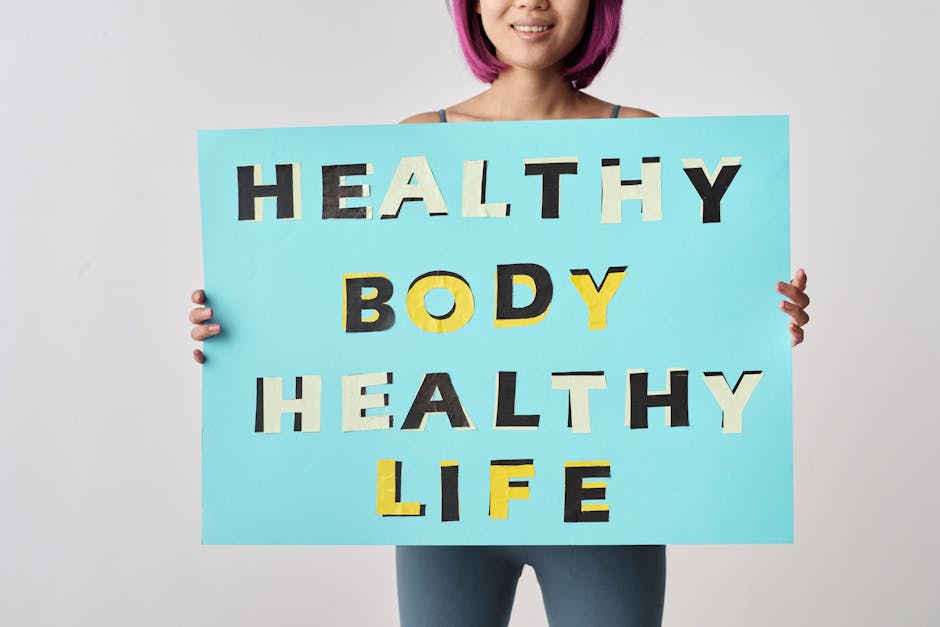
- Body neutrality is about coexisting with your body, rather than actively loving it.
- This approach encourages indifference, which can be more liberating than forced enthusiasm.
- Body neutrality shifts the focus from appearance to function, promoting a healthier relationship with your body.
- It’s not about body shape or size, but about accepting your body as it is.
- Body neutrality can be a more effective way to overcome shame and self-loathing than body positivity.
What if the problem isn’t your body, but the way you’ve been taught to see it? For decades, I carried the belief that my size was a moral failing—a visible sign of laziness, greed, or lack of control. Every mirror felt like an accusation. The solution, I was told, was body positivity: love your body, celebrate your curves, wear the bikini. But what if you don’t feel love? What if, despite every effort, you can’t summon enthusiasm for the flesh you inhabit? For me, the turning point wasn’t learning to love my body—it was learning to stop judging it altogether. If I’d been taught this way of thinking as a child, I can’t begin to imagine how much easier things could have been.
What is body neutrality—and how is it different from body positivity?

Body neutrality shifts the focus from appearance to function and coexistence. Unlike body positivity, which encourages active affection for one’s body regardless of shape or size, body neutrality asks only that we stop waging war against it. It’s the quiet assertion: “My body is not good or bad. It just is.” This subtle shift can be revolutionary for people who’ve spent years trapped in cycles of shame, dieting, and self-loathing. For someone like me—fat since childhood, ridiculed by peers, and medicalized by doctors—it’s a relief to no longer have to perform confidence or manufacture love. Instead, body neutrality allows space for indifference, which, paradoxically, can be more liberating than forced enthusiasm. As therapist and body image specialist Dr. Lindsay H. McClain explains, body neutrality reduces anxiety by decoupling self-worth from physical appearance.
What does the research say about body image and early stigma?

Studies consistently show that weight-based teasing begins shockingly early. A 2020 meta-analysis published in Obesity Reviews found that nearly 80% of children in larger bodies experience weight stigma by age 10. This isn’t just playground cruelty—it has measurable consequences. Research from Yale’s Rudd Center for Food Policy & Obesity links childhood weight stigma to increased risks of depression, disordered eating, and even metabolic dysfunction, independent of BMI. The damage isn’t just psychological; it’s physiological. In my case, the message was clear from age seven: my body was a problem. That single moment—being told I was “too fat to skip”—wasn’t an isolated insult. It was the first in a lifetime of microaggressions, medical gaslighting, and social exclusion. Schools, doctors, and even family members reinforced the idea that my worth was contingent on my ability to shrink.
Are there downsides to embracing body neutrality?

Skeptics argue that body neutrality risks complacency—especially in a healthcare system that often conflates body size with health. Some worry that disengaging from body image could lead people to ignore genuine medical concerns. Others, particularly within the fat acceptance movement, caution that neutrality might dilute the political power of radical self-love. After all, body positivity began as a marginalized, fat-led protest against systemic oppression. By opting out of both hatred and celebration, does neutrality sidestep accountability? These are valid concerns. Yet for many, neutrality isn’t a rejection of activism—it’s a survival strategy. It doesn’t deny the existence of fatphobia or the need for structural change. Instead, it offers a personal reprieve from internalized oppression. As writer and advocate Sonya Renee Taylor notes, “The body is not the enemy. The systems that teach us to hate it are.”
How does this shift play out in real life?

The impact of body neutrality is most visible in daily rituals. For me, it means stepping on the scale only when medically necessary, not as a moral verdict. It means wearing clothes that fit—without apology—rather than saving them for a future, smaller self. It means declining conversations that treat my body as public property. One pivotal moment came during a doctor’s visit: instead of launching into weight loss advice, my physician asked, “What goals do you have for your health?” That simple reframe—centering behavior and well-being over size—felt revolutionary. It’s not that health doesn’t matter; it’s that it can’t be reduced to a number on a scale. Across social media, hashtags like #BodyNeutrality and #EffYourBeautyStandards are creating communities where people share not transformations, but transformations of perspective.
What This Means For You
You don’t have to love your body to stop torturing it. Body neutrality offers a middle ground for those who find body positivity unattainable or alienating. It’s not about denying pain or excusing discrimination. It’s about reclaiming agency. Whether you’re parenting a child who’s been teased, navigating healthcare as a fat person, or simply tired of the daily grind of self-criticism, neutrality offers a quieter, more sustainable path. It allows you to focus on what your body does—carries you through the world, breathes, heals, endures—rather than how it looks.
But questions remain: Can body neutrality thrive in a culture obsessed with appearance? And how do we push for systemic change while protecting individual mental health? The answer may lie not in choosing between neutrality, positivity, or activism—but in recognizing that different tools serve different people at different times.
Source: The Guardian