- A teenager’s tweet from 10 years ago has sparked a football kit revolution in Tanzania.
- The initiative, led by Malaika Meena, has collected over 1,000 items of football equipment in just a month.
- The drive has partnered with grassroots organizations in Tanzania to distribute gear directly to school teams in need.
- More than 70% of youth football programs in rural Tanzania operate without proper equipment, often sharing a single ball among dozens of players.
- Malaika Meena’s campaign is quietly organized, fiercely personal, and growing faster than she can keep up.
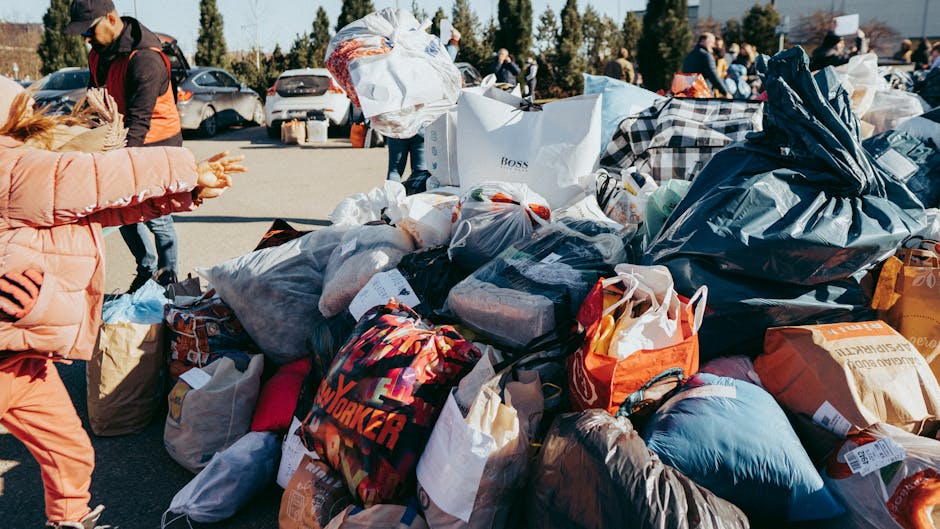
It was a rainy afternoon in Croydon when Malaika Meena first noticed the overflowing gear bag in her garage—shin guards cracked at the edges, cleats worn smooth from years on artificial turf, jerseys faded from sun and sweat. She paused, not with regret, but with purpose. Ten years earlier, she had posted a single tweet from her teenage bedroom: ‘If anyone’s got any kit, we’re taking some to Tanzania.’ Now, at 23, she stood amid boxes stacked to the ceiling, each labeled with names, sizes, and handwritten notes like ‘For Amina, 12, loves Mbappe.’ The scent of leather and damp canvas filled the air. This was no longer just charity. This was a movement—quietly organized, fiercely personal, and growing faster than she could keep up.
The Campaign That Took Off Overnight

Over the past month, Meena’s initiative has collected more than 1,000 items of football equipment—from cleats and shin guards to match balls and training bibs—donated by professional players, grassroots coaches, and fans across the UK. Coordinated through her nonprofit arm, KickStart Tanzania, the drive has partnered with grassroots organizations in Dar es Salaam and Arusha to distribute gear directly to school teams lacking basic supplies. According to BBC Sport, nearly 70% of youth football programs in rural Tanzania operate without proper equipment, often sharing a single ball among dozens of players. Meena’s campaign has already equipped six schools, with plans to reach 15 more by the end of the year. The momentum, she says, came not from publicity, but from a shared understanding among athletes: football is nothing without access.
From One Tweet to a Decade of Giving

The story begins in 2014, when 13-year-old Meena, then a promising midfielder in Chelsea’s academy, saw a documentary on youth sports in East Africa. Struck by the image of children playing barefoot on dusty fields, she took to Twitter with a humble request. Within 48 hours, her inbox flooded with offers. Teammates, parents, even opposition players sent gear. Her parents, both Tanzanian immigrants, helped ship the first 87 items via a diplomatic courier. What started as a one-off gesture became an annual ritual—kit drives during school holidays, packing sessions before exams, and holiday visits to Tanzania to hand-deliver boots. Over ten years, the effort evolved from family project to formalized outreach, supported by sponsorships from minor sportswear brands and coaching clinics funded by WSL clubs.
The People Powering the Movement

At its heart, KickStart Tanzania is a network of believers: former academy players now in semi-pro leagues, Tanzanian teachers who coordinate local drop-offs, and UK-based fans who organize regional collections. Meena credits her younger brother, Jabari, a physiotherapist working with youth teams in Zanzibar, for ensuring gear fits and serves real needs. ‘We don’t just send what’s left over,’ she says. ‘We ask what’s needed.’ Coaches in Tanzania submit lists; donors match them. Sarah Lin, a grassroots coach in Manchester, mobilized 14 clubs after hearing Meena speak at a FA diversity forum. ‘It’s not about pity,’ Lin told The Guardian. ‘It’s about equity. Every kid deserves a chance to play with dignity.’
Impact Beyond the Pitch

The consequences extend far beyond equipment. In schools receiving donations, attendance has improved, particularly among girls—many of whom now join teams previously seen as inaccessible. Teachers in Moshi report increased discipline and teamwork, while local clinics have used football sessions to promote health education. For Meena, the ripple effect is personal: she’s mentoring three Tanzanian girls now in UK football trials. But challenges remain. Logistics are costly, customs delays persist, and demand outpaces supply. Still, each kit carries more than fabric and foam—it carries permission: the message that someone, somewhere, believes you belong in the game.
The Bigger Picture
This movement reflects a broader shift in sports philanthropy—one driven not by celebrity largesse, but by athlete-led, community-rooted action. In an era where commercialization dominates football, Meena’s project reclaims the game’s grassroots soul. It echoes similar efforts, like Jordan Henderson’s mental health advocacy or Megan Rapinoe’s equity campaigns, but with a quieter, more intimate force. It proves that systemic change can begin with a single act of empathy—and that football, at its best, is a language of inclusion.
What comes next? Meena is exploring sustainable partnerships with East African manufacturers to produce low-cost, durable kits using recycled materials. She’s also launching a digital mentorship program linking UK and Tanzanian youth players. The garage in Croydon may soon need a warehouse. But for now, she keeps packing boxes, reading notes, and remembering why it started: not for headlines, but for the kid who just wants to play.
Source: The Guardian