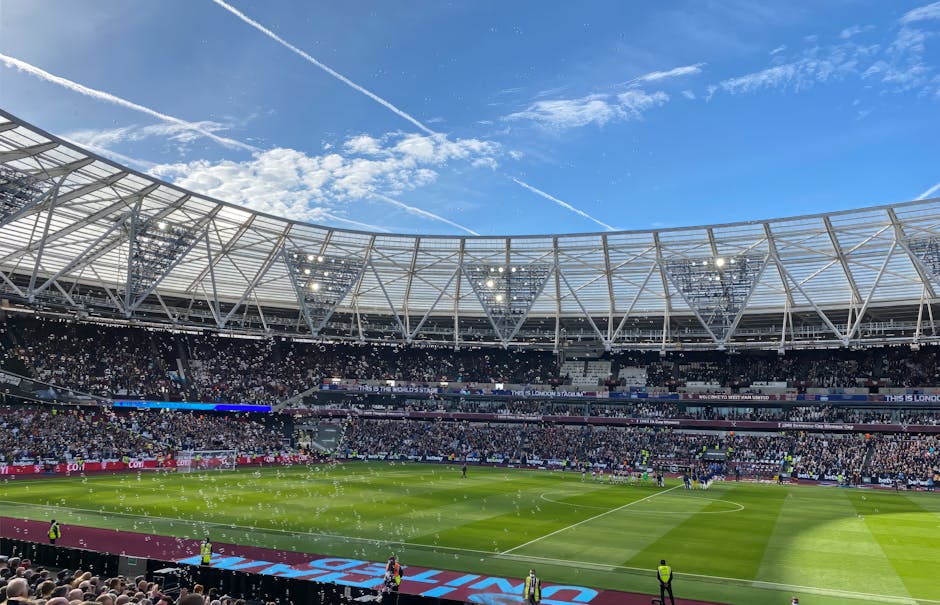
- Hull City secured a 1-0 victory over Middlesbrough in the Championship playoff final, earning promotion to the Premier League after a seven-year absence.
- The decisive goal was scored by Oliver McBurnie in the 95th minute, the latest winning goal in a Championship playoff final at Wembley Stadium.
- Hull City managed just 42% possession and six shots on target, but capitalized on their most critical opportunity to secure promotion.
- The match saw 32 fouls, 10 yellow cards, and a combined 28 clearances, highlighting the physical toll of the contest.
- Hull City completed a 21-match unbeaten run away from home this season, a streak that proved decisive in securing promotion.
Oliver McBurnie’s 95th-minute goal has catapulted Hull City back into the Premier League, ending a seven-year absence from English football’s top flight. The decisive strike, delivered in the dying seconds of stoppage time, sealed a 1-0 victory over Middlesbrough in the Championship playoff final at Wembley Stadium. A game defined by tension, missed chances, and relentless pressure culminated in one moment of individual brilliance, underscoring the unforgiving nature of football’s “richest minute” and reaffirming the Tigers’ resilience after a turbulent season.
The Final Whistle That Rewrote History

The numbers behind Hull City’s promotion are as dramatic as the goal itself. According to BBC Sport, the 95th-minute strike marks the latest winning goal ever scored in a Championship playoff final at Wembley, surpassing Sheffield Wednesday’s 94th-minute equalizer in 2016. Hull managed just 42% possession and six shots on target compared to Middlesbrough’s 14, yet capitalized on their most critical opportunity. The match saw 32 fouls, 10 yellow cards, and a combined 28 clearances, illustrating the physical toll of a contest where every tackle carried promotion implications. Wembley’s pitch bore the scars of a battle—one that ended with the Tigers completing a 21-match unbeaten run away from home this season, a streak that proved decisive when it mattered most.
Key Players Behind the Triumph

Oliver McBurnie, signed on loan from Sheffield United in January, emerged as the unlikely hero, scoring just his fifth goal of the campaign at the most opportune moment. Manager Liam Rosenior, appointed in November after a dismal start under Shota Arveladze, reshaped the team’s identity, shifting from a 4-2-3-1 to a more pragmatic 4-3-3 that emphasized defensive solidity and rapid transitions. Goalkeeper Nathan Baxter made seven crucial saves, including a reflex stop from Chuba Akpom in the 82nd minute, preserving the clean sheet that enabled McBurnie’s moment of magic. On the opposing side, Middlesbrough captain Jonny Howson led a technically superior side that dominated play but failed to convert dominance into goals—a recurring flaw throughout their season under Michael Carrick.
The Cost of Promotion and the Price of Failure

While Hull celebrates, the financial and emotional stakes of the playoff final cannot be overstated. According to Deloitte’s Sports Business Group, winning the Championship playoff final is worth an estimated £170 million in broadcasting revenue, commercial deals, and sponsorship over the next three seasons. For Middlesbrough, the defeat not only delays their return to the Premier League since 2017 but risks destabilizing a project built on Carrick’s progressive philosophy. Hull, meanwhile, faces the challenge of squad reinforcement and managerial continuity—Rosenior’s contract expires in June, and securing his future is now critical. The trade-off is stark: euphoric reward for the victors, prolonged uncertainty for the vanquished.
Why This Moment Arrived in 2024

The timing of Hull’s breakthrough reflects a season-long evolution in resilience and tactical discipline. After winning just two of their first ten league games, a 3-1 defeat to Leeds in October served as a turning point, prompting Rosenior to implement a high-pressing system with greater midfield control. January’s loan acquisition of McBurnie, coupled with the signing of left-back Aaron Lewis from Stoke City, plugged critical gaps. Middlesbrough, by contrast, faltered in the final stretch, drawing four of their last six matches—including a crucial 0-0 at home to already-relegated Reading. The shift in momentum, subtle during the regular season, became undeniable in the cauldron of Wembley, where composure under pressure separated the two sides.
Where We Go From Here
Looking ahead, three scenarios shape Hull City’s immediate future. First, if Rosenior remains and the club secures investment, they could stabilize in mid-table by reinforcing the center-back and right-wing positions. Second, failure to retain the manager or mismanage transfer funds could lead to a relegation battle by Christmas. Third, a strong summer recruitment campaign backed by owner Acun Ilıcalı’s media platform could see Hull adopt a more ambitious identity, mirroring Fulham’s rapid adaptation post-promotion. Each path hinges on governance as much as footballing decisions, with the board’s next moves under global scrutiny.
Bottom line — Oliver McBurnie’s last-gasp goal not only delivers Hull City to the Premier League but symbolizes the razor-thin margins between triumph and despair in modern football, where preparation, nerve, and opportunity converge in a single, unforgettable moment.
Source: CBS Sports