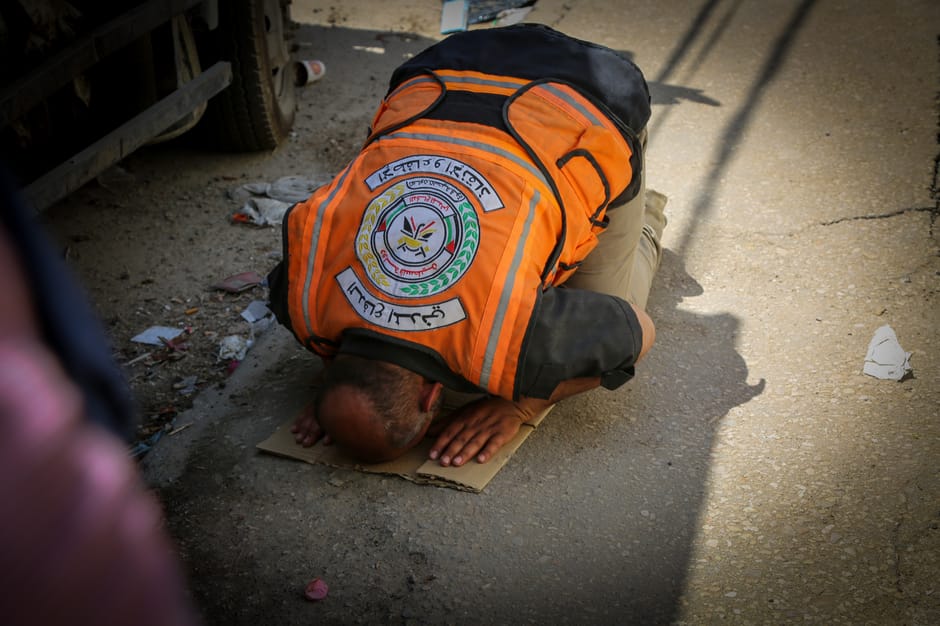
- A fragile cease-fire in Gaza led to the recovery of over 230 unburied bodies, highlighting the devastating impact of the conflict.
- Many of the deceased were hastily buried during intense bombardment, often in shallow graves or under rubble.
- Forensic teams and volunteers worked with grieving families to identify remains using fragments of clothing and dental records.
- The cease-fire created a narrow window for recovery, allowing families to rebury their loved ones with dignity.
- The makeshift burials in Gaza’s streets and alleys serve as a poignant reminder of the conflict’s human toll.
The air in northern Gaza hung heavy with dust and memory. Under a pale winter sun, clusters of mourners moved slowly across a broken courtyard once used as a schoolyard, now marked by mounds of earth no larger than a child’s bed. Shovels scraped against stone and cloth-wrapped bundles emerged—remnants of lives interrupted. For weeks, these graves had been sealed in silence, unmarked and hurried, dug in alleys, under collapsed homes, or behind shattered clinics. But with the first tenuous pause in bombing that followed a weekslong siege, families returned—not to rebuild, but to rebury. The cease-fire did not bring celebration. It brought coffins, shrouds, and the unbearable task of reclaiming the dead.
The Truce That Uncovered the Unburied

In the first five days of a temporary cease-fire brokered by international mediators, over 230 bodies were exhumed across northern Gaza, primarily in Beit Hanoun, Jabalia, and Gaza City. Many had been buried hastily during intense bombardment when funerals were impossible and morgues overwhelmed. With no time for proper rites, families wrapped their dead in white cloth and buried them where they fell—under rubble, in backyards, or in shallow ground near destroyed homes. The cease-fire, lasting just ten days, created a narrow window for recovery. Forensic teams from the Palestinian Red Crescent and local volunteers worked alongside grieving relatives to identify remains using fragments of clothing, dental records, and personal effects. In several cases, bodies were found still clutching identification cards or prayer beads. The reburial process, conducted under Islamic rites, offered a measure of dignity long denied, but also reawakened trauma for survivors who had not yet processed their loss.
How War Forced Funeral Practices Underground

The mass use of temporary graves traces back to October 2023, when Israel launched a military campaign in response to the Hamas-led attacks on southern Israel. As airstrikes intensified, Gaza’s infrastructure—hospitals, roads, communication lines—collapsed. The Ministry of Health reported that over 250,000 people were displaced in the first month alone, and morgue capacity was exceeded within days. Religious leaders issued fatwas allowing emergency burials in any available space, prioritizing hygiene and safety over tradition. In some neighborhoods, entire families were buried together after being killed in single strikes. The World Health Organization later confirmed that more than 60% of deaths occurred among women and children, complicating the emotional toll on survivors. For months, the sounds of digging were drowned out by explosions. Now, in silence, the full scale of burial without ceremony has come to light.
The Mourners Shaping Memory

Among those leading the exhumations was Dr. Amina al-Kurd, a forensic anthropologist who returned from exile in Jordan to assist in identifying remains. “This isn’t just about burial,” she said, standing near a freshly dug plot in Gaza City. “It’s about restoring personhood.” Local imams, trauma counselors, and volunteer gravediggers—many of whom had lost family themselves—worked in shifts, guided by both faith and forensic protocol. One man, Faisal Abu Nimer, spent three days searching for his wife and two daughters, finally identifying them by a torn blue dress and a silver bracelet. “I couldn’t mourn them while they were under the ruins,” he said. “Now I can say goodbye.” These acts, though private, carry political weight: each reburial is a quiet assertion of identity, resistance, and the demand to be remembered as more than a statistic.
What Reburial Means for a Fractured Society

The emotional and psychological consequences of these reburials are only beginning to surface. Mental health workers with the Gaza Health Ministry report a surge in acute grief, PTSD, and suicidal ideation among those involved in the recovery efforts. For children, seeing a parent’s remains exhumed can deepen trauma. Yet the process also serves as communal healing—families gathering, prayers recited aloud, names restored. Beyond the psychological impact, the reburials have legal and historical implications. Human rights organizations, including Amnesty International, are using burial records and forensic data to document potential war crimes. Each grave reopened becomes part of a growing archive of accountability.
The Bigger Picture
This wave of reburials is not unique to Gaza. Similar scenes followed the wars in Bosnia, Syria, and Rwanda, where post-conflict societies grappled with how to mourn en masse. What makes Gaza’s situation distinct is the compressed timeline and the lack of stability—families rebury their dead knowing the fighting could resume at any moment. The temporary nature of peace underscores a deeper truth: that healing cannot begin without justice, and mourning cannot be completed without safety. These graves, once hidden, now stand as markers not only of loss but of refusal to forget.
As the cease-fire nears its end, the cemeteries of northern Gaza grow fuller, more orderly, marked with names and dates. Yet the ground remains unstable—both literally and politically. No one knows if the quiet will last, or if new graves will soon be dug. But for now, there is this: a mother buried beside her child, a father laid to rest with his sons, prayers spoken aloud instead of whispered beneath rubble. In the absence of peace, dignity becomes the only victory.
Source: The New York Times