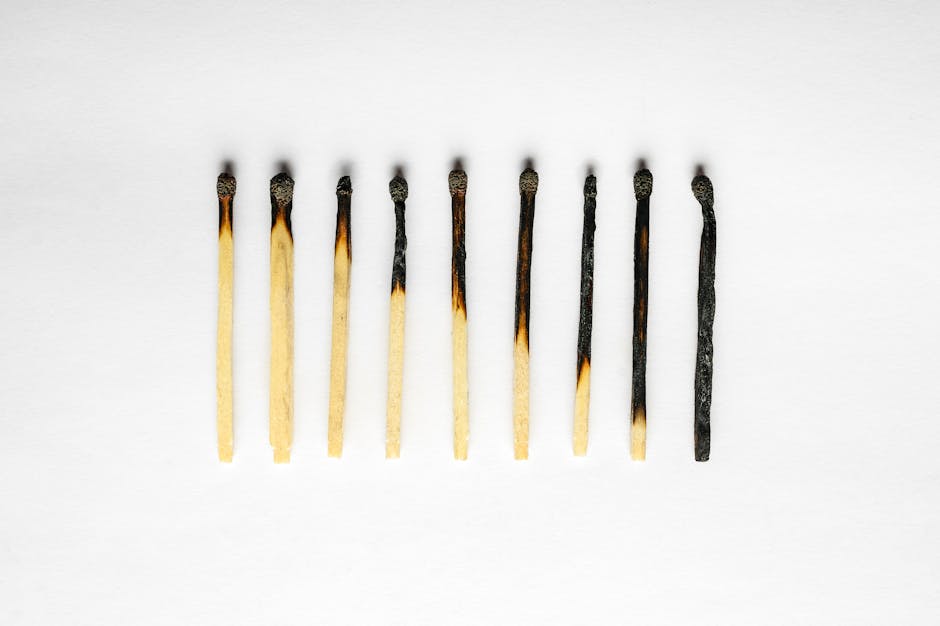
- Green Party co-leader Carla Denyer is taking a leave of absence due to burnout, highlighting the unsustainable pressures of UK political life.
- Burnout among politicians is underreported due to stigma and the expectation of constant availability, but Denyer’s openness breaks the silence.
- High-profile politicians often face extraordinary workloads, balancing constituency duties, national media appearances, and party leadership.
- Denyer’s leave raises urgent questions about how much strain elected officials are expected to endure and at what cost to their mental health.
- The UK political landscape is sparking a national conversation about the sustainability of current working conditions in Parliament.
What happens when the people elected to lead us are too exhausted to continue? That’s the question now facing the UK political landscape after Green Party co-leader Carla Denyer announced she would be taking a leave of absence due to burnout. In a candid statement, Denyer revealed she needed “several weeks” away from her duties to recover, citing the intense pressures of political life. Her announcement has sparked a national conversation about the sustainability of current working conditions in Parliament, especially for those in high-profile leadership roles. As public figures increasingly speak out about mental health, Denyer’s decision raises urgent questions about how much strain elected officials are expected to endure — and at what cost.
Why Is Burnout Affecting High-Profile Politicians?

Carla Denyer’s leave is a direct response to burnout — a state of emotional, physical, and mental exhaustion caused by prolonged stress. As a newly elected MP and co-leader of the Green Party, Denyer has faced an extraordinary workload since the July 2024 general election, balancing constituency duties, national media appearances, and party leadership. In her statement, she emphasized that the decision was not taken lightly but was necessary for her well-being. Burnout among politicians is not new, but it remains underreported due to stigma and the expectation of constant availability. Denyer’s openness breaks that silence, acknowledging that even driven, passionate public servants have limits. Her situation reflects broader systemic issues in UK politics, where long hours, public scrutiny, and emotional labor are often normalized.
What Evidence Supports the Rising Toll on Political Mental Health?

Data and testimonials increasingly confirm that political service takes a severe toll on mental health. A 2023 survey of UK MPs by The Guardian found that over 60% reported symptoms of anxiety or depression linked to their roles, with many citing isolation, 24/7 media cycles, and threats as key stressors. Denyer’s experience aligns with these findings, particularly as a woman in a minority party facing amplified scrutiny. In 2017, former MP Luciana Berger resigned, citing online abuse and mental health deterioration, while in 2022, MP Nadia Whittome went on record about taking sick leave for mental health reasons. Experts like Dr. Sophie Vinter from the University of Manchester argue that “Parliament operates like a high-stress startup without mental health safeguards.” Without structural changes, such as mandated rest periods or psychological support, burnout will continue to affect representatives across parties.
Are There Counterarguments to Viewing This as a Systemic Issue?

Some critics argue that public service, by nature, demands sacrifice and resilience, and that taking leave for burnout sets a concerning precedent. They contend that voters expect consistency and availability from their elected officials, especially during critical legislative periods. Others suggest that Denyer’s role, while demanding, is still a privilege compared to the struggles of ordinary citizens juggling multiple jobs without access to sick leave. There’s also a perception — particularly in more traditional political circles — that discussing mental health openly undermines authority or suggests weakness. However, this perspective overlooks the reality that untreated burnout leads to decreased productivity, poor decision-making, and longer absences. Moreover, younger politicians like Denyer represent a generational shift toward prioritizing well-being over performative endurance, challenging outdated norms of political toughness.
What Real-World Impact Does This Decision Have?

Denyer’s leave has immediate practical consequences: her Bristol Central constituency will be covered by fellow Green Party members and caseworkers during her absence, ensuring continuity of service. But the broader impact may be even more significant. Her transparency could encourage other MPs to seek help without fear of reprisal, potentially prompting Parliament to review its support systems. In 2020, the UK Parliament introduced a Wellbeing Service, but uptake remains low due to stigma and lack of awareness. Denyer’s case may force institutions to move beyond token resources and implement real policy changes, such as flexible scheduling, mental health training, and peer support networks. Internationally, countries like New Zealand have modeled compassionate leadership, with former Prime Minister Jacinda Ardern citing work-life balance as a reason for stepping down — a move widely respected rather than criticized.
What This Means For You
If you’re someone who balances demanding responsibilities, Denyer’s choice is a powerful reminder that self-care isn’t a luxury — it’s a necessity for sustained performance. Her decision reflects a growing cultural shift toward recognizing mental health as integral to overall health, not a sign of weakness. For citizens, it also means re-evaluating what we expect from our leaders: dedication should not require self-destruction. By normalizing breaks and boundaries, we create space for healthier, more sustainable public service.
As more politicians speak out, the deeper question remains: can democratic institutions evolve to protect the well-being of those who serve in them? And if not, what does that mean for the future of representative governance?
Source: BBC