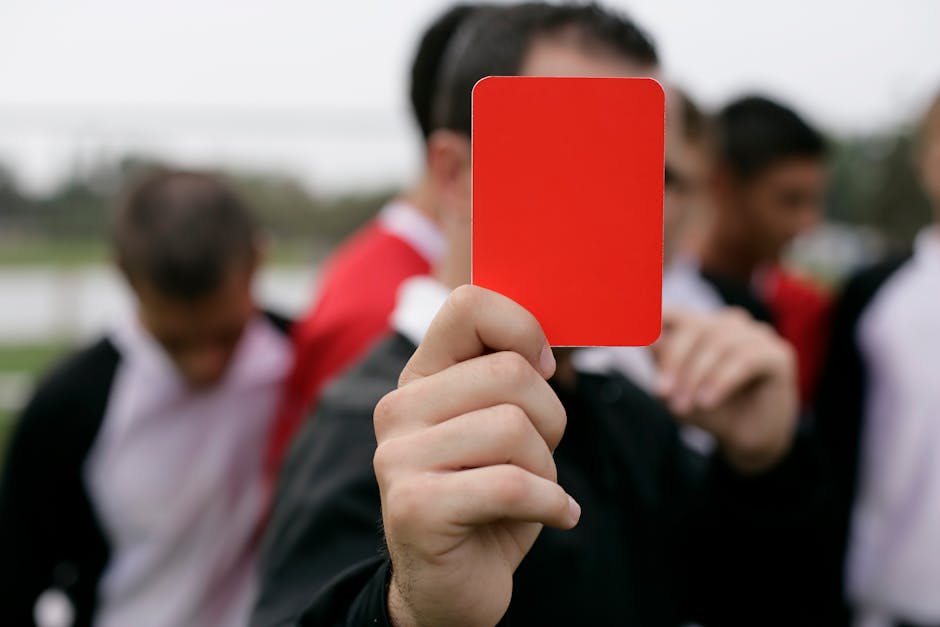
- Anthony Edwards’ reaction to Victor Wembanyama’s ejection sparked controversy, showcasing the intense competitive fire among NBA’s young elite.
- The incident highlights the growing role of personal rivalries in shaping the NBA’s cultural and competitive landscape.
- Edwards’ comments, laced with profanity, sparked both praise and criticism, reflecting the complex emotions surrounding the incident.
- The NBA has not confirmed any formal action against Wembanyama, but Edwards’ remarks have raised questions about the league’s handling of the situation.
- The Wembanyama-Edwards rivalry is intensifying, with their on-court encounters set to be closely monitored by fans and the media.
Minnesota Timberwolves guard Anthony Edwards has thrust himself into the center of a league-wide debate after expressing visible joy over San Antonio Spurs phenom Victor Wembanyama’s ejection during a recent NBA game. In a post-game interview aired on TNT, Edwards stated, “Man I was so happy that n***a got kicked out… I hope they suspend him… shit I’m gonna email they ass right now ‘Hey man ya’ll gotta go review buddy’.” While the league has not confirmed any formal action against Wembanyama, Edwards’ comments—laden with competitive fire and controversial language—have drawn sharp criticism and praise in equal measure. The incident underscores the intensifying emotional stakes among the NBA’s young elite, where personal rivalries are beginning to shape the league’s cultural and competitive landscape.
Video Evidence and League Response

Footage from the game, widely shared across social media platforms including X (formerly Twitter) and Reddit’s r/nba, shows Victor Wembanyama receiving two technical fouls in the third quarter following a heated exchange with officials after a no-call on a drive to the basket. The second technical, which prompted his automatic ejection, came within 90 seconds of the first—a sequence that NBA rules strictly prohibit. According to official NBA regulations, a player accumulating two technicals in a single game is subject to immediate ejection. However, replay analysis suggests the timing of the second technical may have been premature, fueling debate over officiating consistency. The league’s Department of Player Safety has reportedly opened a file on the incident, though no disciplinary action against Wembanyama has been issued as of this report. Meanwhile, Edwards’ comments, captured during a live broadcast, have prompted internal discussions at TNT about editorial standards and player interviews.
Key Players and Their Roles

Anthony Edwards, 22, has emerged as one of the NBA’s most outspoken and marketable young stars, leading the Timberwolves to their first playoff series win in over two decades last season. Known for his emotional intensity and unfiltered commentary, Edwards has previously clashed with opponents and officials, though never as publicly as now. Victor Wembanyama, also 22 and the 2023 No. 1 overall pick, represents a contrasting persona—measured, diplomatic, and often praised for his maturity despite his global fame. The dichotomy between the two stars has become a focal point in discussions about the future identity of the league. Spurs head coach Gregg Popovich issued a brief statement: “Victor plays within himself. We trust the process.” In contrast, Timberwolves head coach Chris Finch distanced himself from Edwards’ remarks, saying, “That’s Anthony being Anthony, but we respect all opponents.”
Trade-Offs of Competitive Fire and Public Image

Edwards’ comments highlight the fine line between competitive passion and professional decorum in modern professional sports. On one hand, his raw emotion resonates with fans who value authenticity and intensity—qualities that have helped drive NBA ratings among younger demographics. On the other, the use of inflammatory language, particularly racial slurs—even when used in intra-racial contexts—raises ethical concerns and potential disciplinary risks under the league’s conduct policies. The NBA has historically fined players for public criticism of officials, with past precedents including a $50,000 penalty for Draymond Green in 2023. Furthermore, TNT and parent company Warner Bros. Discovery may face reputational scrutiny for broadcasting unedited, live player commentary. For Edwards, the long-term cost could be a tarnished reputation among sponsors, while the upside is solidified credibility within the player community as a fearless competitor.
Why This Moment Has Come Now

The timing of this incident reflects a broader shift in the NBA’s cultural dynamics. With stars like Luka Dončić, Shai Gilgeous-Alexander, and Wembanyama entering their primes, the league is transitioning from the LeBron-Kevin-Durant era to a new generation defined by individuality and digital-age visibility. Social media amplifies every outburst, turning locker room intensity into viral moments. Additionally, the NBA’s emphasis on player expression—seen in slogan-emblazoned warmups and post-game mic’d interviews—creates more opportunities for unfiltered moments to reach millions instantly. Edwards’ comment did not occur in isolation; it followed a hard-fought, physical game where Wembanyama blocked him twice in the final quarter. The convergence of high stakes, personal rivalry, and live television created the perfect storm for a moment that encapsulates the league’s evolving identity.
Where We Go From Here
In the next 6 to 12 months, the NBA could respond in one of three ways: First, it may issue a fine or warning to Edwards, setting a precedent for regulating live broadcast remarks. Second, the league could use the moment to initiate league-wide discussions on player conduct, mental health, and the pressures of fame. Third, it might choose minimal intervention, allowing player personalities to flourish as part of the entertainment product—effectively endorsing emotional authenticity over polished restraint. Each path carries implications for how future stars navigate the balance between competition and professionalism. The Spurs and Timberwolves are scheduled to meet three more times this season, ensuring the rivalry will be scrutinized closely. Media coverage, fan sentiment, and potential sponsor reactions will all influence how this narrative unfolds.
Bottom line — while Anthony Edwards’ comments reflect genuine competitive fire, they also expose the growing tension between authentic expression and the responsibilities of being a high-profile athlete in a socially conscious era.
Source: Streamable