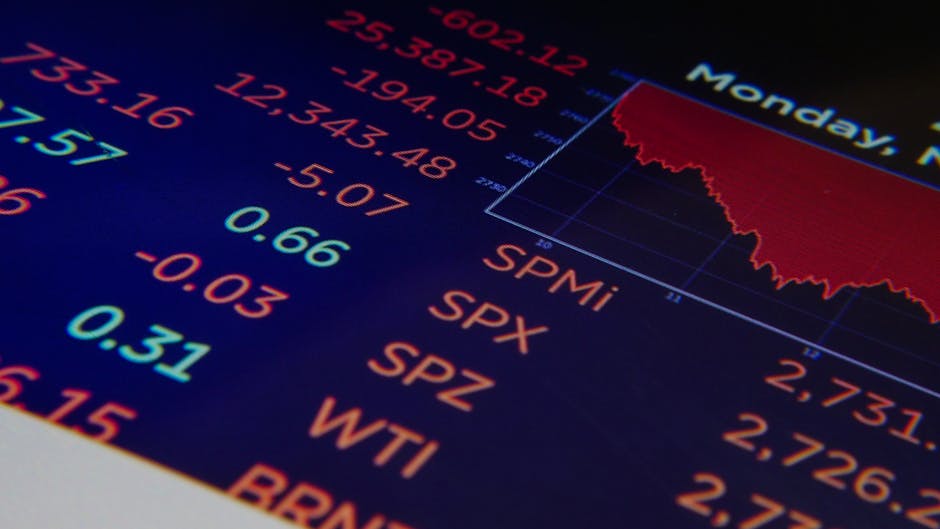
- Consumer confidence has reached a record low in May, driven by fears over inflation and geopolitical tensions between the US and Iran.
- Escalating tensions have sent oil prices climbing, triggering concerns about a return to 1970s-style stagflation and further price hikes.
- The University of Michigan’s Index of Consumer Sentiment fell to 49.5 in May, its lowest level since 1952, due to growing pessimism about current conditions and future expectations.
- Inflation is the primary concern for nearly two-thirds of respondents, with gas prices surging and supply chain disruptions looming.
- The drop in consumer sentiment is attributed to recent military exchanges between the US and Iran, disrupting oil flows in the Strait of Hormuz.
Why is consumer confidence plummeting just as the U.S. economy shows signs of resilience? In May, a startling drop in consumer sentiment reached an unprecedented low, driven largely by mounting fears over inflation. While labor markets remain strong and GDP growth continues, households are increasingly anxious about the cost of living. The culprit? Escalating geopolitical tensions between the United States and Iran, which have sent oil prices climbing and reignited concerns about a return to 1970s-style stagflation. With gas prices surging and supply chain disruptions looming, Americans are bracing for another wave of price hikes — and their outlook on the economy has soured faster than expected.
What’s Behind the Record Drop in Consumer Sentiment?

The University of Michigan’s Index of Consumer Sentiment fell to 49.5 in May, its lowest level since the survey began in 1952, down sharply from 57.8 in April. The decline was fueled by growing pessimism about both current conditions and future expectations, with inflation cited as the primary concern by nearly two-thirds of respondents. Analysts attribute the drop to recent military exchanges between the U.S. and Iran, which have disrupted oil flows in the Strait of Hormuz — a critical global chokepoint. Brent crude oil prices rose above $120 per barrel, the highest since 2022, triggering fears of broader price increases across transportation, manufacturing, and food sectors. “Consumers are seeing higher gas prices at the pump and expecting more pain ahead,” said Joanne Hsu, director of the University of Michigan’s Surveys of Consumers. “This isn’t just a reaction to today’s headlines — it’s a fear of sustained inflation.”
What Data and Experts Reveal About Inflation Risks

Economic indicators support the public’s anxiety. The U.S. Bureau of Labor Statistics reported that gasoline prices rose 12% in May alone, contributing to a 0.4% monthly increase in the core CPI. Meanwhile, shipping costs on key global routes have spiked, with the Baltic Dry Index up 35% over the past six weeks, suggesting potential supply chain bottlenecks. Federal Reserve officials have acknowledged the risk: in a recent speech, Fed Chair Jerome Powell noted that “geopolitical shocks can have persistent second-round effects on inflation expectations.” Historical parallels are also concerning. During the 1979 Iran hostage crisis, oil prices doubled, leading to a recession and inflation peaking above 13%. Today, while the U.S. is less dependent on Middle Eastern oil, global markets remain tightly linked. According to Reuters analysis, every $10 increase in oil per barrel could add 0.2 percentage points to annual U.S. inflation.
Are Inflation Fears Overblown? Skeptics Offer a Counter View

Despite the alarming sentiment data, some economists argue that the inflation threat may be overstated. Michael Feroli, chief economist at JPMorgan, points out that U.S. shale production has surged, and strategic petroleum reserves remain substantial, offering buffers against supply shocks. “We’re not in the 1970s,” Feroli stated in a recent note. “Domestic energy independence and diversified global supply chains reduce the transmission of oil spikes into broad inflation.” Additionally, consumer spending data for April showed a 0.8% increase, suggesting households are still willing to spend despite anxiety. Others note that sentiment indices are highly volatile and often overreact to short-term events. As BBC Economics Correspondent Andrew Walker observed, “Confidence measures can be noisy, and they don’t always predict turning points in actual behavior.”
How This Crisis Is Already Affecting Households and Businesses

The psychological impact of falling sentiment is translating into real economic behavior. Small businesses, surveyed by the National Federation of Independent Business, reported in May that 32% plan to raise prices, the highest share in six months. Meanwhile, consumers are altering spending habits: AAA reported that weekend road trips dropped 8% year-over-year, as high gas prices deter travel. Airlines are facing pressure too, with United and Delta warning of reduced summer profitability due to fuel costs. At the household level, online searches for “budgeting tools” and “inflation calculators” have surged, according to Google Trends. In cities like Phoenix and Houston, food banks report increased demand, particularly for non-perishable goods. These shifts suggest that even if inflation remains moderate, the *fear* of inflation is already reshaping economic decisions.
What This Means For You
If you’re feeling uneasy about the economy, you’re not alone — and your caution may be justified. While the full impact of the Iran conflict remains uncertain, rising energy costs could affect everything from grocery bills to holiday travel plans. Consider locking in fixed-rate loans if possible, and review discretionary spending as a buffer. The Federal Reserve may delay rate cuts if inflation pressures persist, affecting mortgages and savings yields. Staying informed through reliable sources can help you distinguish between short-term noise and long-term trends.
Will the current geopolitical shock lead to a sustained inflation surge, or will markets stabilize as tensions ease? The answer may depend not just on diplomacy in the Middle East, but on how firmly inflation expectations take hold in the public mind — a dynamic that could shape economic policy for months to come.
Source: CNBC