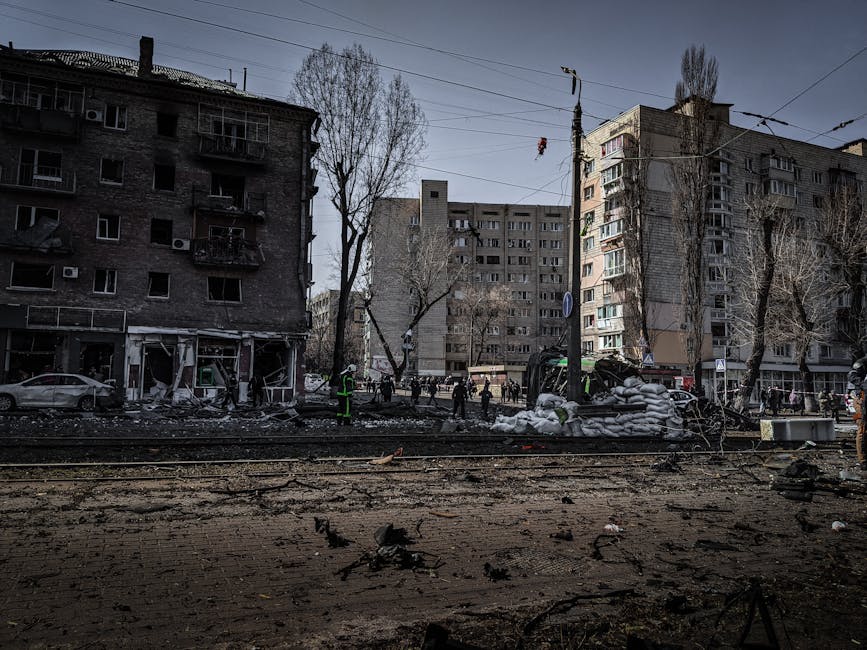
- A bomb blast on a train in Pakistan’s Balochistan province injured over 30 passengers, exacerbating the country’s security crisis.
- The attack highlights the vulnerability of critical transportation networks in the region, which is considered one of South Asia’s most volatile areas.
- Separatist and Islamist militant groups are suspected of being behind the bombing, with no immediate claim of responsibility.
- The blast occurred near Quetta and Sibi, causing widespread shockwaves across the country and raising concerns about public safety.
- At least 32 people were injured, including women and children, with five in critical condition.
What drives an attack on a civilian train in broad daylight? In Pakistan, the question has returned with chilling urgency after a bomb exploded near a railway track in Balochistan province, injuring more than two dozen passengers as a train sped past. The blast, which occurred in a remote stretch between Quetta and Sibi, sent shockwaves across the country, raising alarms about the deteriorating security situation and the vulnerability of critical transportation networks. With no immediate claim of responsibility but strong suspicion falling on separatist and Islamist militant groups, the incident underscores a persistent threat to public safety and national stability in one of South Asia’s most volatile regions.
What Happened During the Railway Bombing?

The explosion occurred just before dusk when a powerful improvised device detonated beside the tracks as the Jaffar Express, traveling from Quetta to Rawalpindi, passed through the area. According to provincial police and railway officials, the blast caused several carriages to sway violently, with debris striking windows and injuring passengers inside. At least 32 people were wounded, including women and children, with five in critical condition. Emergency services rushed to the site, and the train was halted for several hours as security forces cordoned off the area and conducted forensic investigations. While the structure of the train remained intact—preventing a derailment or catastrophic collapse—the psychological impact on survivors was profound, with many recounting moments of panic and confusion as glass shattered and smoke filled the cabins.
What Evidence Points to Militant Involvement?

Initial forensic reports suggest the use of a remotely detonated explosive device, likely containing over 20 kilograms of ammonium nitrate-based material, planted near a weakened section of the rail embankment. Senior counterterrorism official Brigadier Asif Malik told reporters that the blast pattern and placement indicated a deliberate attempt to derail the train, though the device failed to achieve maximum impact. Intelligence sources point toward the Balochistan Liberation Army (BLA), a U.S.-designated terrorist organization, as the prime suspect. The BLA has a history of targeting transportation infrastructure to protest central government control and demand greater autonomy for the mineral-rich but underdeveloped province. In a similar 2023 attack, the group derailed a passenger train in the same region, killing over 25. According to BBC News reporting, such attacks are part of a broader campaign to destabilize national unity and draw international attention to their cause.
Are There Alternative Explanations or Motives?

While the BLA remains the main suspect, some analysts caution against oversimplifying the motives behind such attacks. Security expert Dr. Nargis Faizullah from Quetta University notes that criminal syndicates or rival militant factions could also be involved, possibly aiming to exploit the chaos for smuggling or extortion purposes. In past incidents, attacks on railways have coincided with internal power struggles within militant networks or efforts to provoke a heavy-handed military response that fuels further recruitment. Additionally, there are concerns about the possibility of sleeper cells linked to transnational extremist groups like ISIS-K, which has previously targeted minority communities and state infrastructure in Pakistan. Although no digital or physical evidence has yet tied foreign actors to this blast, intelligence agencies are reviewing intercepted communications and surveillance footage to rule out broader coordination.
How Is This Attack Affecting Pakistan’s Civilian Life?

The bombing has already triggered immediate consequences for travel and commerce in Balochistan. Railway authorities suspended all services on the Quetta-Sibi route indefinitely, disrupting the movement of thousands of passengers and vital goods. Families of the injured have crowded into overwhelmed hospitals in Sibi and Quetta, where medical staff report shortages of trauma supplies. Beyond the physical damage, the attack has deepened regional distrust in the federal government’s ability to protect citizens. In cities like Quetta, protests erupted outside government buildings, with demonstrators demanding better security and accountability. Economically, renewed instability threatens foreign investment in energy and mining projects, particularly along the China-Pakistan Economic Corridor (CPEC), a flagship initiative already plagued by security risks. The World Bank has previously flagged infrastructure vulnerability as a major constraint on Pakistan’s long-term development.
What This Means For You
If you’re traveling in or connected to Pakistan, particularly in conflict-prone regions like Balochistan, this incident is a stark reminder of how quickly civilian infrastructure can become a target. While major cities may appear stable, remote transport routes remain exposed to asymmetric threats. For policymakers and international stakeholders, the attack underscores the need for smarter investment in surveillance, intelligence sharing, and community engagement to counter extremism. Even for global observers, the event highlights how regional insecurity can ripple outward—impacting trade, diplomacy, and humanitarian efforts.
As investigations continue, a crucial question remains unanswered: how can Pakistan protect its people without escalating cycles of violence and repression? With militant groups adapting their tactics and public trust in institutions eroding, the path forward demands more than military force—it requires political inclusion, economic equity, and sustained international cooperation. The answer may determine not just the safety of future train passengers, but the future of the nation itself.
Source: News