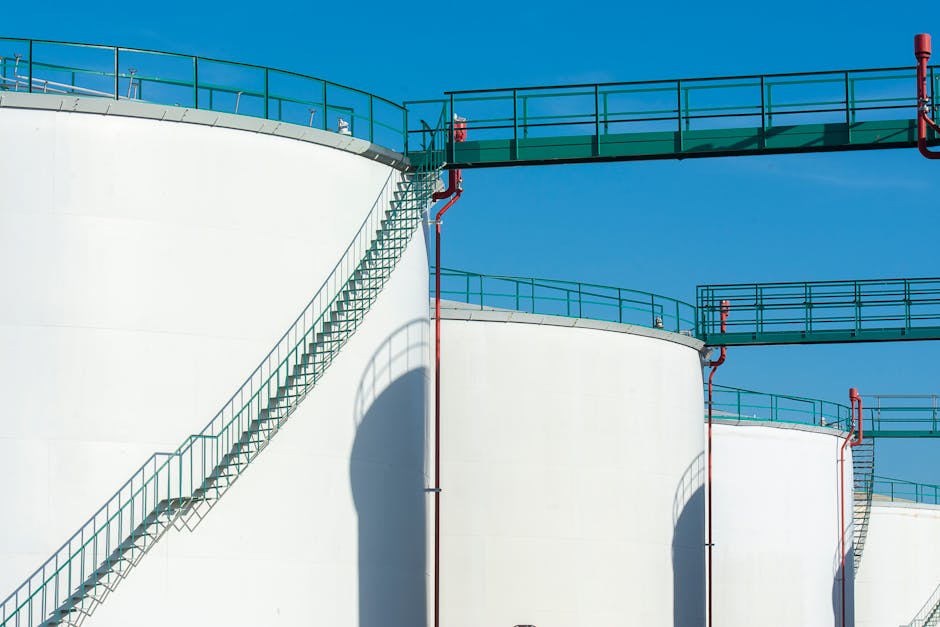
- Global jet fuel production has lagged behind air travel demand, threatening summer flights.
- Refinery output in Europe and parts of Asia has not recovered to pre-pandemic levels.
- Geopolitical tensions and aging infrastructure further constrain jet fuel supply.
- Potential flight cancellations, reduced routes, and steep fare increases are possible.
- Tourist hubs like Greece, Spain, and the Caribbean are at risk due to local fuel supply constraints.
One in five commercial flights during the upcoming summer season could face disruptions due to tightening jet fuel supplies, according to the International Air Transport Association (IATA). Global jet fuel production has lagged behind the rapid rebound in air travel demand, creating a precarious imbalance. Refinery output, particularly in Europe and parts of Asia, has not kept pace with pre-pandemic levels, while geopolitical tensions and aging infrastructure further constrain supply. With passenger traffic expected to reach 4.3 billion in 2024—just shy of the 2019 record—airlines are warning of potential flight cancellations, reduced routes, and steep fare increases. The situation is especially acute in key tourist hubs such as Greece, Spain, and the Caribbean, where seasonal demand spikes could outstrip local fuel storage and distribution capacity.
Why Jet Fuel Is the Weakest Link

While much attention has focused on airline staffing and airport congestion, jet fuel has quietly emerged as the most vulnerable link in the summer travel chain. Unlike other refined products such as gasoline or diesel, jet fuel requires specific refining configurations and faces stricter quality standards, making it less flexible to produce on demand. Post-pandemic refinery rationalization—where several facilities permanently shut down or converted to renewable fuel production—has diminished global jet fuel output. The European Union, which imports over 40% of its aviation fuel, is particularly exposed. According to data from the International Energy Agency (IEA), global jet fuel production in early 2024 was 12% below 2019 levels, even as passenger-kilometers flown have rebounded to 97% of pre-pandemic volumes. This mismatch is creating a supply crunch that could peak between June and August, the busiest travel months.
Who’s Behind the Shortfall?

The roots of the jet fuel shortage lie in a combination of structural and strategic shifts across the energy and aviation sectors. Major refiners in the U.S. and Europe have prioritized diesel and renewable diesel production, where margins have been stronger amid trucking and freight demand. Meanwhile, geopolitical disruptions, including sanctions on Russian oil and instability in the Red Sea shipping lanes, have complicated crude sourcing and refined product distribution. Russia, once a major supplier of discounted jet fuel to Africa and parts of Asia, has redirected much of its output to domestic and allied markets. In addition, aging refineries in Southeast Asia and Africa lack the complexity to efficiently produce jet fuel, forcing reliance on imports that are now harder to secure. Airlines including Lufthansa, Delta, and Air France-KLM have reported fuel allocation challenges at secondary airports, where storage tanks are being filled at suboptimal rates, raising operational risks.
Market Pressures and Economic Ripple Effects

The tightening jet fuel market is already pushing prices upward. As of May 2024, jet fuel prices in Northwest Europe have risen to $920 per metric ton, a 22% increase from the same period last year, according to Reuters. These costs are being passed on to consumers, with airline fuel surcharges averaging $45 per round-trip ticket on transatlantic routes. For budget carriers operating on thin margins, this could force route suspensions or fleet grounding. A study by Oxford Economics estimates that a sustained 15% increase in jet fuel prices could reduce global air travel demand by 3.4% over the summer, disproportionately affecting leisure travelers. Beyond tourism, the aviation-fuel crunch threatens broader economic recovery in island nations and developing economies that rely heavily on air connectivity for trade and services.
The Human and Economic Toll

Millions of travelers could face canceled flights, missed connections, or inflated ticket prices, particularly on regional and low-cost carriers with limited fuel hedging. Airports in the Mediterranean and the Caribbean—popular destinations for European and North American tourists—are especially vulnerable due to limited fuel infrastructure and seasonal demand spikes. Local economies dependent on tourism may suffer: in Greece, where tourism accounts for nearly 20% of GDP, a 10% drop in summer arrivals could cost the economy over €3 billion. Similarly, small island nations in the Pacific and Indian Oceans, already struggling with climate-related disruptions, may see vital air links curtailed. For airlines, the risk is not just financial but reputational, as customers grow increasingly frustrated with unreliable service after years of pandemic-related disruptions.
Expert Perspectives
Analysts are divided on how severe the impact will be. Some, like Fatih Birol, Executive Director of the IEA, argue that market mechanisms and increased refining runs in the U.S. Gulf Coast will alleviate shortages by mid-summer. Others, including aviation economist Dr. Susanna Söderholm of the Stockholm School of Economics, warn that structural underinvestment in refining capacity means these disruptions could become annual occurrences. “We’re seeing the convergence of energy transition policies, geopolitical risk, and rising demand without a corresponding upgrade in infrastructure,” she said in a recent BBC interview. “The aviation sector is flying blind into a perfect storm.”
Looking ahead, the aviation industry must confront longer-term questions about fuel resilience. While sustainable aviation fuels (SAFs) are being piloted, they currently account for less than 0.2% of total jet fuel use. In the short term, governments may need to coordinate strategic fuel reserves or incentivize refinery upgrades. As summer travel demand reaches fever pitch, the world’s airlines are not just battling crowds—they’re racing against an invisible but critical constraint: the fuel that keeps them aloft.
Source: BBC