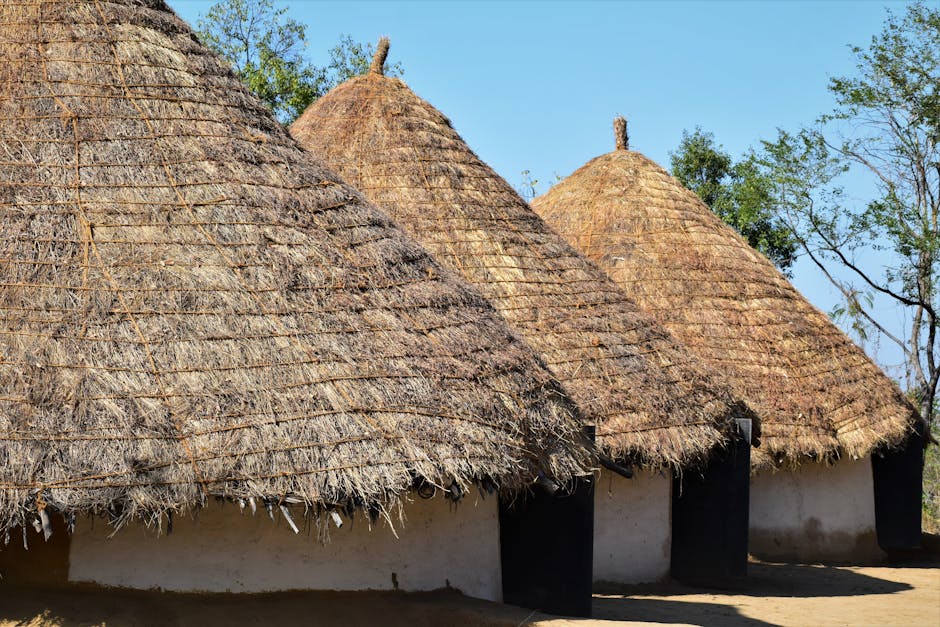
- A 4,500-year-old Neolithic hall has been reconstructed near Stonehenge based on archaeological evidence from the Durrington 68 site.
- The Kusuma Neolithic Hall mirrors the scale and construction techniques of Late Neolithic timber buildings found in Britain.
- The reconstruction draws on decades of excavation data, including posthole patterns, tool marks, and radiocarbon dating.
- The hall is a scientifically grounded interpretation of communal architecture from Britain’s Stone Age.
- The reconstruction enhances visitor engagement and advances scholarly understanding of Neolithic domestic and ceremonial life.
English Heritage has opened a meticulously reconstructed 4,500-year-old Neolithic hall near Stonehenge, offering the public a tangible connection to the people who built one of the world’s most iconic prehistoric monuments. Based on archaeological evidence from the Durrington 68 site at Durrington Walls — a settlement just two miles northeast of Stonehenge — the Kusuma Neolithic Hall stands seven meters high and spans over 20 meters in length, mirroring the scale and construction techniques of Late Neolithic timber buildings. Unlike speculative reconstructions, this project draws on decades of excavation data, including posthole patterns, tool marks, and radiocarbon dating, to present a scientifically grounded interpretation of communal architecture from Britain’s Stone Age. The hall not only enhances visitor engagement but also advances scholarly understanding of Neolithic domestic and ceremonial life.
Archaeological Evidence Behind the Reconstruction

The design of the Kusuma Neolithic Hall is rooted in findings from Durrington 68, a site excavated between 2004 and 2006 as part of the Stonehenge Riverside Project led by Professor Mike Parker Pearson of University College London. Archaeologists uncovered a series of large postholes arranged in a rectangular pattern, measuring approximately 20 by 10 meters, with evidence of massive oak timbers that once supported a pitched roof. Radiocarbon dating of charred wood and antler tools placed the structure’s use around 2500 BCE, contemporaneous with the main phase of Stonehenge’s construction. Soil micromorphology revealed compacted occupation layers, suggesting prolonged human activity, while adjacent middens contained animal bones — predominantly pig — indicating large-scale feasting. These findings, published in peer-reviewed studies, point to the hall’s potential use as a communal gathering space, possibly linked to seasonal rituals surrounding Stonehenge’s alignment with solstices.
Key Players in the Project

The reconstruction was spearheaded by English Heritage in partnership with archaeologists from the University of Exeter and specialists in ancient woodworking techniques. Funding of £1.2 million was provided by the Kusuma Trust, enabling the use of authentic materials and traditional Neolithic tools such as stone axes and antler picks. Master thatcher Graham King led the roofing team, using locally sourced reed and hazel binders to replicate a waterproof, insulated covering capable of withstanding British weather. Digital modeling by Historic England helped visualize structural integrity under varying load conditions, ensuring both safety and historical fidelity. The project also involved experimental archaeologists who tested construction methods in real time, documenting how 50 people using replica tools could erect the frame in under three weeks — a timeline consistent with seasonal labor mobilization theories. This collaboration between heritage managers, academics, and craftspeople exemplifies modern interdisciplinary approaches to public archaeology.
Trade-Offs Between Authenticity and Accessibility

Reconstructing a prehistoric building presents inherent tensions between archaeological accuracy and visitor safety. While the original Neolithic hall likely had open hearths and earthen floors, modern fire regulations required the installation of discreet smoke detectors and non-combustible flooring beneath the packed clay surface. The structure uses green oak, which will settle and warp over time — a feature embraced as part of the educational narrative about Neolithic material challenges. However, some purists argue that any modern intervention, such as steel reinforcement within key load-bearing posts, compromises authenticity. On the other hand, the immersive experience allows thousands annually to grasp spatial dimensions and social scale in ways that diagrams or ruins cannot convey. Moreover, the hall serves as an outdoor classroom for school programs and academic workshops, amplifying its educational return. The balance struck enables public access without reducing the site to mere spectacle.
Why This Reconstruction Matters Now

The timing of the hall’s unveiling coincides with renewed public interest in prehistoric Britain, fueled by discoveries such as the Durrington Walls ‘superhenge’ magnetometry survey and the 2020 excavation of a nearby Neolithic cursus. Climate change has also intensified the urgency to preserve and interpret vulnerable archaeological sites before erosion and extreme weather degrade them further. With Stonehenge itself facing overtourism and ongoing debates about the nearby tunnel project, English Heritage aims to redirect attention to the broader ritual landscape, emphasizing that Stonehenge did not exist in isolation. The reconstructed hall reframes the monument not as a solitary enigma but as part of a network of settlements, processional routes, and communal spaces — a shift supported by recent isotopic analyses of human remains showing that builders came from as far as Wales and Scotland.
Where We Go From Here
In the next 12 months, English Heritage plans to host seasonal solstice events within the hall, replicating hypothesized midwinter feasting practices with historically informed menus. Researchers may conduct acoustical studies to determine if the space amplified sound — a feature that could support ritual chanting or drumming. Meanwhile, a companion exhibit will explore alternative interpretations: was the hall elite housing, a temple, or a transient laborers’ shelter? Future phases could include rebuilding adjacent dwellings to form a micro-settlement. As digital twins of the structure are shared with universities, the site will also contribute to virtual reality models for global audiences. These developments promise to deepen both scholarly and public understanding of Neolithic society.
Bottom line — the Kusuma Neolithic Hall is more than a replica; it is a dynamic interface between past and present, transforming archaeological theory into lived experience while advancing conservation and education in British prehistory.
Source: The Guardian