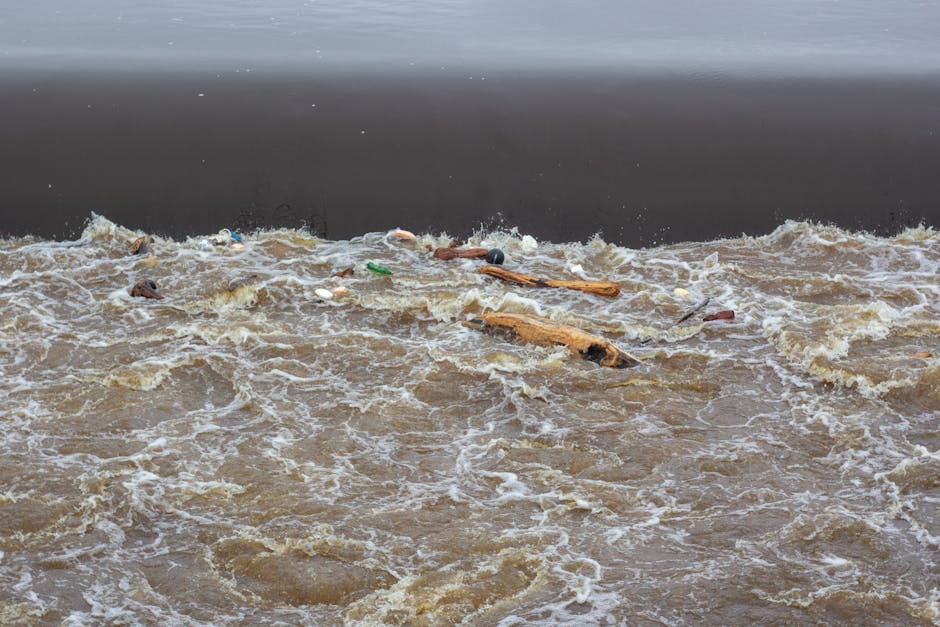
- A new bathing site on the River Wye in Herefordshire may look inviting, but its water quality is a concern due to upstream sewage overflows.
- River Action and environmental groups are skeptical about the UK government’s initiative to expand safe freshwater swimming spots.
- The River Wye has failed EU Bathing Water Standards in multiple locations, highlighting ongoing water quality concerns.
- Freshwater campaigner Claire Marshall warns that appearances can be misleading and water quality can be a health hazard.
- The new bathing site is a starting point for a more urgent conversation about water quality and accountability.
On a sun-dappled morning along the banks of the River Wye, families unfold towels and children wade into the shallows of a newly designated bathing site, their laughter echoing across the water. The spot, officially opened last week with a ribbon-cutting by local officials, is hailed as a triumph for public access and river revitalization. Yet just meters away, Claire Marshall, a freshwater campaigner with River Action, kneels at the edge, collecting a water sample in a sterile bottle. Her expression is not one of celebration, but of quiet vigilance. The river may look inviting, she says, but appearances can be dangerously misleading. Beneath the surface, invisible pathogens from upstream sewage overflows pulse through the current, turning what seems like a safe haven into a potential health hazard. For advocates like Marshall, the ribbon-cutting is not an endpoint, but a starting point for a more urgent conversation about water quality and accountability.
Concerns Over Water Quality Persist

The new bathing area, located near Ross-on-Wye in Herefordshire, is one of several pilot sites designated under the UK government’s initiative to expand safe freshwater swimming spots by 2025. While local authorities tout it as a milestone in environmental restoration, River Action and other environmental groups remain skeptical. They point to data from the Environment Agency showing that the River Wye has failed EU Bathing Water Standards in multiple locations over the past three years, primarily due to high levels of E. coli and intestinal enterococci—bacteria commonly associated with sewage contamination. The group stresses that the designation of a bathing site does not equate to guaranteed safety, particularly when combined sewer overflows (CSOs) upstream remain active during rainfall. According to River Action, real-time water quality monitoring is inconsistent, and public alerts are often delayed or absent. Swimmers, the group warns, should check the latest water quality data via the Environment Agency’s bathing water tracker before entering the river.
The Legacy of Industrial and Agricultural Runoff

The challenges facing the Wye are not new. Once celebrated for its clear waters and rich biodiversity, the river has suffered decades of degradation from agricultural intensification, particularly poultry farming, and outdated urban wastewater infrastructure. Since the 1990s, nutrient runoff—especially phosphates and nitrates—from intensive farming operations has fueled algal blooms that suffocate aquatic life. Simultaneously, the region’s aging sewer system, designed in the Victorian era, frequently overflows during heavy rain, discharging untreated sewage directly into the river. Although the UK adopted the EU Bathing Water Directive in 2013, enforcement has been uneven, and investment in infrastructure improvements has lagged. A 2022 report by The Guardian revealed that some stretches of the Wye experienced sewage overflow more than 100 days per year. The designation of a bathing site without resolving these systemic issues, critics argue, risks normalizing pollution.
The Voices Shaping the Debate

At the heart of the campaign for cleaner rivers is a network of grassroots activists, scientists, and frustrated residents. Claire Marshall, who has worked with River Action for over a decade, says her motivation stems from both professional duty and personal grief—her father, a lifelong angler, contracted a severe gastrointestinal illness after fishing in the Wye in 2019. “He didn’t know the water was contaminated,” she recalls. “There were no signs, no warnings.” Her story is echoed by others in communities along the river. Meanwhile, scientists at Cardiff University’s Water Research Institute have been collaborating with NGOs to deploy low-cost sensors that detect bacterial spikes in real time. Their data has been instrumental in pressuring regulators. On the other side, water utility companies like Severn Trent acknowledge the challenges but cite budget constraints and the complexity of upgrading century-old systems. The tension between public demand for safe recreation and industrial realities continues to define the debate.
Implications for Public Health and Policy

The stakes extend beyond a single river or bathing site. With climate change increasing the frequency of heavy rainfall events, the risk of sewage overflow is projected to rise. This poses a direct threat to public health—recreational exposure to contaminated water can lead to gastrointestinal illnesses, skin infections, and respiratory issues. For policymakers, the dilemma is balancing investment in green infrastructure with fiscal responsibility. The new bathing site, while symbolically significant, may inadvertently encourage risky behavior if not paired with robust monitoring and public education. Environmental groups are calling for mandatory real-time water quality signage at all designated sites and stricter penalties for utilities that fail to manage discharges. Without these safeguards, they warn, the expansion of bathing areas could do more harm than good.
The Bigger Picture
This issue is not confined to the UK. Across Europe and North America, aging infrastructure and agricultural runoff are undermining efforts to restore freshwater ecosystems. The European Environment Agency has found that only 40% of surface waters in the EU meet ‘good’ ecological status. The Wye’s struggle reflects a broader crisis in how societies value and manage their natural waterways. Designating a bathing site should be a celebration of ecological recovery, not a political gesture in the absence of meaningful reform. True progress will require not just signage and sampling, but systemic changes in land use, wastewater management, and corporate accountability.
As afternoon light slants across the river, swimmers pack up their gear, unaware of the invisible currents swirling beneath the surface. The path forward, advocates insist, lies in transparency, technology, and public engagement. Real-time water quality apps, community-led monitoring, and stricter regulations could transform today’s cautionary tale into tomorrow’s success story. The river, they believe, can be safe—but only if we stop treating it as a dumping ground and start seeing it as a shared lifeline.
Source: BBC