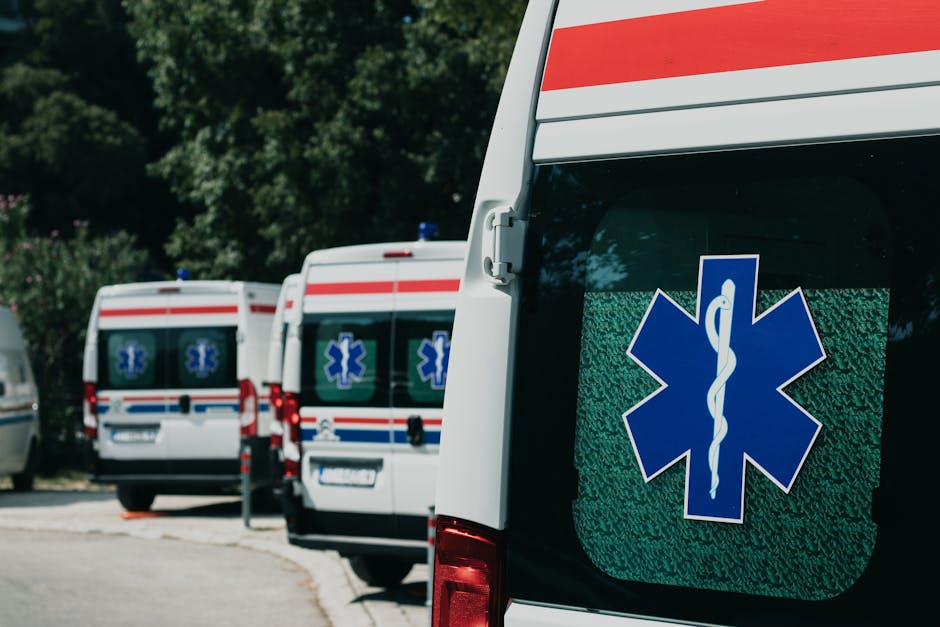
- A harrowing video from southern Lebanon shows an Israeli air strike hitting paramedics as they rushed to save a wounded child.
- The attack killed four people, including the child and two paramedics, sparking global alarm and raising questions about the targeting of first responders.
- The incident highlights the risks faced by emergency responders in war zones and the need for greater protection and accountability.
- The video has been verified by multiple news outlets and documents a sequence of events that unfolded in under two minutes.
- The Lebanese Red Crescent confirmed that the victims were volunteers trained in emergency response, adding to the gravity of the situation.
What happens when emergency responders become targets in war zones? A harrowing video from southern Lebanon has sparked global alarm, showing an Israeli air strike hitting a group of paramedics as they rushed to save a wounded child. The footage, verified by multiple news outlets, captures the moment a drone-fired missile strikes the rescue team moments after they arrived at the scene of an earlier explosion. The attack killed four, including the child and two paramedics. As the video spreads, it raises a disturbing question: Are first responders now being systematically targeted, and what does that mean for the rules of modern warfare?
What Did the Video Show?

The video, filmed on October 16, 2023, near the village of Odaisseh close to the Israel-Lebanon border, documents a sequence of events that unfolded in under two minutes. First, a small explosion is seen injuring a young boy, likely from an unexploded ordnance or a precision strike. Moments later, a Red Crescent ambulance arrives, and medics exit to treat the child. As they kneel beside him, a second explosion—identified by experts as a drone-launched missile—detonates directly on the group. The attack destroyed the ambulance and killed all four individuals present. The Lebanese Red Crescent confirmed the victims were volunteers trained in emergency response. The incident occurred during a period of heightened cross-border clashes between Israeli forces and Hezbollah, though the responders were clearly marked and operating in a civilian capacity.
What Evidence Supports the Sequence of Events?

Multiple sources, including Reuters and BBC News, have authenticated the footage using geolocation, timestamp analysis, and eyewitness testimony. UNIFIL (United Nations Interim Force in Lebanon) issued a statement calling the strike “deeply concerning” and urged a transparent investigation. International humanitarian law, particularly the Geneva Conventions, explicitly protects medical personnel and vehicles during armed conflict. The fact that the medics were wearing high-visibility vests and operating a clearly marked ambulance strengthens claims that the strike may constitute a war crime. Human Rights Watch has called for an independent inquiry, warning that repeated attacks on emergency workers erode a foundational norm of armed conflict.
Are There Alternative Explanations?

Israeli military officials have not confirmed direct responsibility but acknowledged conducting operations in the area to neutralize Hezbollah threats. In a statement, the Israel Defense Forces (IDF) said they “only target terrorist infrastructures and operatives” and that “any harm to civilians or medical personnel is unintentional and regretted.” Some analysts suggest the responders may have been mistaken for combatants, especially if the area was believed to be used for weapons transport or militant movement. Others note that Hezbollah has previously embedded fighters near civilian infrastructure, complicating battlefield assessments. However, independent experts stress that even in such environments, the principle of distinction—requiring combatants to differentiate between military targets and protected persons—remains binding. The speed between the initial blast and the follow-up strike raises concerns about real-time targeting decisions made with insufficient verification.
What Are the Real-World Consequences?

The strike has had immediate and chilling effects on emergency response operations in southern Lebanon. The Lebanese Red Crescent suspended field missions in several border areas, citing safety concerns. With ongoing shelling and drone activity, medical teams now face impossible choices: risk their lives to save others or leave the wounded without care. This dynamic effectively weaponizes fear, undermining humanitarian access in conflict zones. Beyond Lebanon, the incident sets a dangerous precedent. If medics can be targeted with impunity, similar attacks may follow in Gaza, Ukraine, or Sudan. The erosion of trust in medical neutrality endangers not only responders but also civilians who may delay seeking help, increasing mortality rates. The international community’s failure to hold violators accountable risks normalizing such atrocities.
What This Means For You
Even if you’re far from the front lines, this incident reflects a broader decline in the norms that protect human life during war. When emergency workers are no longer safe, the entire architecture of humanitarian law begins to crumble. As global conflicts grow more fragmented and less regulated, understanding these violations—and demanding accountability—becomes a civic responsibility. The footage from Lebanon isn’t just evidence; it’s a warning about the fragility of moral boundaries in modern warfare.
As investigations unfold, one question remains urgent: How many more medics must die before the world acts to shield those who only seek to heal?
Source: Al Jazeera