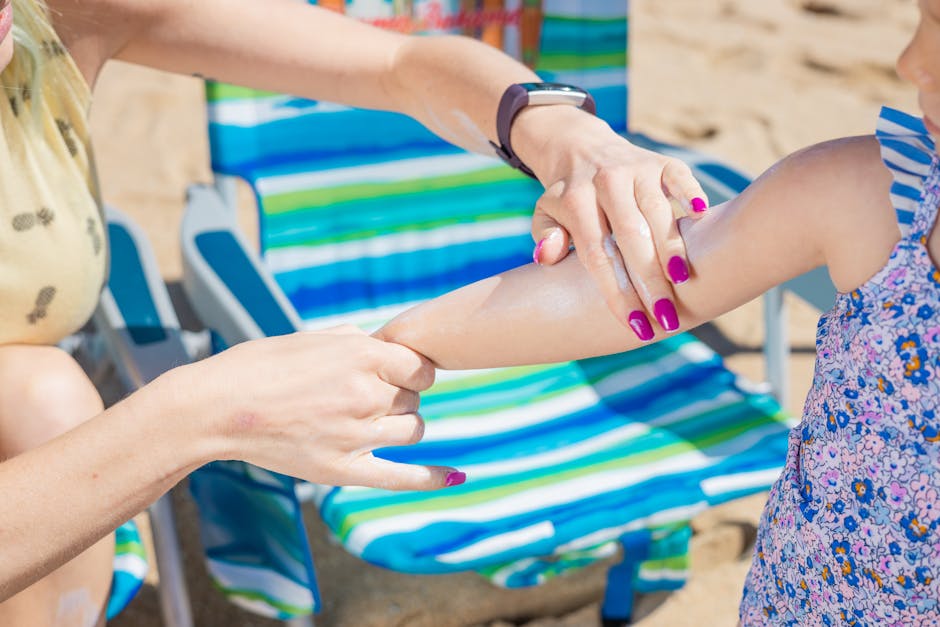
- Melanoma rates have more than doubled in the US since the 1980s, with over 8,000 American lives claimed each year.
- Only 14% of adults consistently apply sunscreen outdoors, despite decades of public health messaging.
- Nearly 60% of Americans believe they do not need sun protection on cloudy days or while driving.
- Ultraviolet radiation penetrates clouds and glass, increasing exposure during routine activities.
- Experts warn that confusion over sunscreen use is undermining decades of prevention efforts.
Melanoma, the deadliest form of skin cancer, claims over 8,000 American lives each year — and new data from the American Cancer Society reveals a troubling trend: incidence rates have more than doubled since the 1980s. Despite decades of public health messaging, a 2023 survey by the Centers for Disease Control and Prevention (CDC) found that only 14% of adults consistently apply sunscreen when outdoors. More alarmingly, nearly 60% of Americans believe they do not need sun protection on cloudy days or while driving, and 40% think indoor workers are not at risk. These misconceptions are not just widespread — they’re life-threatening. Ultraviolet (UV) radiation, the primary cause of melanoma, penetrates clouds and glass, meaning exposure occurs during routine activities like commuting or sitting near windows. As cases climb, particularly among younger adults and populations with lower skin pigmentation, experts warn that confusion over sunscreen use is undermining decades of prevention efforts.
\n\n
The growing gap between awareness and action

\n
While most Americans recognize that UV exposure increases skin cancer risk, a significant knowledge-action gap persists. The World Health Organization (WHO) classifies UV radiation as a Group 1 carcinogen — the same category as tobacco and asbestos — yet public behavior does not reflect this danger. Dermatologists point to a mix of misinformation, marketing ambiguity, and behavioral complacency. Sunscreen labels, for instance, often emphasize SPF (Sun Protection Factor) without adequately explaining broad-spectrum coverage or the need for reapplication. Many consumers assume high SPF means all-day protection, leading to prolonged sun exposure without reapplication. Additionally, cultural attitudes toward tanning — still associated with health and attractiveness in some demographics — continue to influence behavior. With melanoma now one of the most commonly diagnosed cancers in young adults, particularly women under 30, health officials are urging a reevaluation of sun safety education to close the gap between knowing and doing.
\n\n
What’s behind the confusion?

\n
The root of sunscreen confusion lies in inconsistent messaging and product complexity. The U.S. Food and Drug Administration (FDA) regulates sunscreens as over-the-counter drugs, yet marketing often frames them as cosmetic or seasonal products. A 2022 study published in JAMA Dermatology found that only 38% of popular sunscreen products accurately represented their UVB and UVA protection ratios. Furthermore, the rise of mineral versus chemical sunscreen debates has led some consumers to avoid use altogether, fearing ingredient safety despite FDA affirmations. Social media amplifies misinformation, with viral claims questioning the need for daily sunscreen or promoting unproven alternatives like “dietary sun protection.” Meanwhile, occupational exposure is often overlooked: delivery drivers, pilots, and office workers near windows receive significant UV-A exposure, which contributes to skin aging and cancer. These overlapping factors have created a perfect storm of misunderstanding, leaving millions unprotected during routine daily activities.
\n\n
Breaking down the data and expert insights

\n
Recent epidemiological studies underscore the real-world impact of inadequate sun protection. According to research from the CDC’s National Program of Cancer Registries, melanoma diagnoses are increasing at a rate of 3% per year, with the steepest rise among non-Hispanic white populations and individuals aged 18–39. UV radiation is responsible for up to 90% of melanoma cases, yet only 31% of adults report using sunscreen daily, even in high-sun regions. Experts emphasize that sunscreen alone is not a silver bullet — it must be combined with protective clothing, shade, and timing outdoor activities outside peak UV hours (10 a.m. to 4 p.m.). Dr. Adewole Adamson, a dermatologist and health equity researcher at the University of Texas, notes that disparities in skin cancer outcomes are also tied to access: “Lower-income communities and people of color often receive later diagnoses due to lack of access to dermatologists and targeted education.” This systemic gap means that while sunscreen confusion affects all groups, its consequences are not equally distributed.
\n\n
Who is most at risk and what’s at stake?

\n
Melanoma’s rising prevalence impacts more than individual health — it strains healthcare systems and carries long-term economic costs. Young adults, outdoor workers, and genetically predisposed individuals face the highest risk, but no demographic is immune. Indoor workers with prolonged window exposure, for example, can accumulate significant UV-A damage over time, increasing their melanoma risk. Children and adolescents are particularly vulnerable due to higher skin sensitivity and lifetime exposure accumulation. The financial burden is also substantial: the average cost of melanoma treatment exceeds $25,000 per patient in the first year, according to the American Academy of Dermatology. Without improved public education and policy interventions — such as clearer labeling standards and school-based sun safety programs — experts warn that preventable cases will continue to rise, turning a manageable public health issue into a growing crisis.
\n\n
Expert Perspectives
\n
Dermatologists are divided on how best to combat sunscreen confusion. Dr. Kanade Shinkai of UCSF emphasizes regulation: “We need the FDA to mandate clearer labeling and restrict misleading claims.” Others, like Dr. Susan Taylor, founder of the Skin of Color Society, stress cultural competence in outreach: “Messages must resonate across diverse communities, not just default to fair-skinned populations.” Meanwhile, some public health officials caution against overreliance on sunscreen, advocating for a “hierarchy of controls” that prioritizes shade and clothing over topical products. These differing views reflect broader tensions between regulation, education, and behavioral change in public health strategy.
\n\n
Looking ahead, the key will be integrating sun protection into daily routines, much like brushing teeth or wearing seatbelts. Innovations like UV-monitoring wearables and smartphone apps may help, but systemic change requires coordinated efforts from regulators, healthcare providers, and educators. As climate change extends high-UV periods and outdoor lifestyles remain popular, the question is no longer whether we know how to prevent melanoma — but whether we’re willing to act on that knowledge consistently.
Source: MedicalXpress