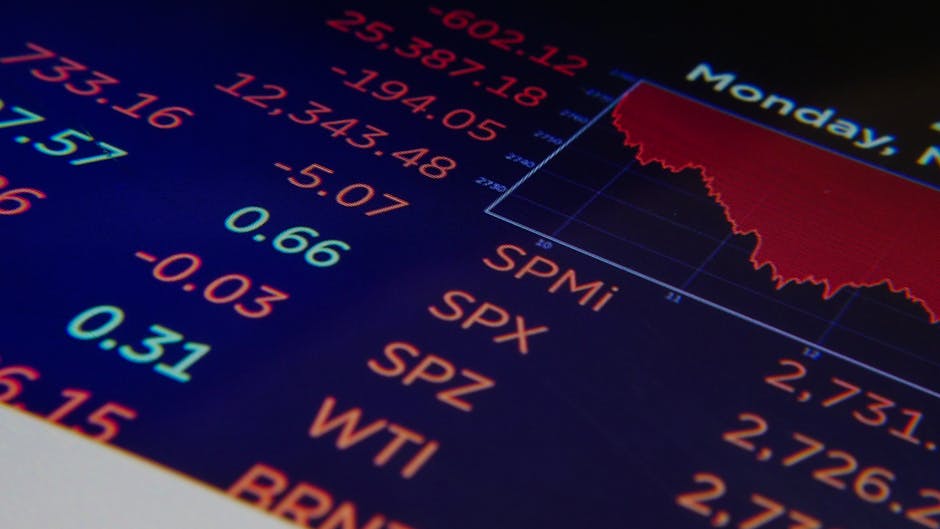
- The S&P 500 has reached a record high of 5,100, driven by a 22% gain over the past year.
- The cost of hedging against a market downturn has never been lower, with the Cboe Volatility Index trading near 12.
- A rare combination of a sky-high equity market and low volatility index has created opportunities for investors to buy put options at discounted premiums.
- Recession fears have receded, and corporate earnings remain resilient, decoupling the traditional relationship between market peaks and expensive insurance.
- Risk-averse portfolios can now lock in protection at minimal cost, presenting a tactical opportunity for investors.
The S&P 500 has surged to an all-time high of 5,100, marking a 22% gain over the past year despite persistent inflation concerns and elevated interest rates. Remarkably, the cost of protecting against a market downturn has never been cheaper in recent history. The Cboe Volatility Index (VIX), often referred to as the market’s fear gauge, is trading near 12, well below its long-term average of 20. This combination—a sky-high equity market and a lethargic volatility index—has created a rare window for investors to purchase put options and other hedging instruments at deeply discounted premiums. With recession fears receding and corporate earnings resilient, the traditional relationship between market peaks and expensive insurance has decoupled, offering tactical opportunities for risk-averse portfolios to lock in protection at minimal cost.
Why Market Calm Defies Historical Norms

Historically, as stock markets approach record highs, investor anxiety tends to rise, pushing up the price of options and other derivatives used for hedging. Volatility typically spikes ahead of or during market corrections, making protection expensive when it’s needed most. But the current environment breaks that pattern. Strong labor data, moderating inflation, and better-than-expected earnings from mega-cap tech firms have bolstered confidence in the so-called ‘soft landing’ scenario, where the economy avoids recession despite aggressive Federal Reserve tightening. This optimism has kept the VIX suppressed even as valuations stretch—S&P 500 price-to-earnings ratios now exceed 21x, above the 10-year average. As a result, market participants are not pricing in significant downside risk, creating what some strategists call a complacency discount in hedging instruments.
How Investors Are Hedging at Record-Low Costs

Portfolio managers and institutional investors are increasingly taking advantage of low volatility to buy downside protection through put options on broad indices like the S&P 500 and Nasdaq-100. According to data from Reuters, demand for three- to six-month put options has risen 30% since January, even as implied volatility remains subdued. Some are using ratio spreads or collar strategies to minimize cost while maintaining exposure to upside gains. Retail investors, too, are adopting these tactics through options-friendly platforms like Robinhood and Interactive Brokers. Financial advisors report a surge in client inquiries about ‘portfolio insurance,’ particularly among retirees wary of another 2022-style drawdown. The affordability of these hedges—some out-of-the-money puts are trading at less than 1% of the underlying index value—makes them accessible even to smaller accounts.
What’s Driving the Disconnect Between Price and Risk?

The divergence between lofty equity prices and low hedging costs stems from several structural and behavioral shifts. First, the Federal Reserve’s clear communication strategy has reduced uncertainty around monetary policy, anchoring market expectations. Second, the dominance of large technology stocks—Apple, Microsoft, Nvidia, and Amazon—has provided consistent earnings growth that offsets weakness in rate-sensitive sectors. Third, algorithmic trading and the proliferation of volatility-targeting funds have dampened market swings, contributing to persistently low VIX readings. However, some experts warn that this stability may be fragile. Analysis from the BBC suggests that geopolitical risks, including ongoing conflicts in Eastern Europe and the Middle East, remain underpriced in options markets. Additionally, the U.S. election cycle and potential tax policy shifts could inject volatility later in the year.
Who Benefits and Who’s at Risk?

The current environment favors investors who proactively hedge, as they can lock in protection before any potential spike in volatility. Pension funds, endowments, and high-net-worth individuals with large equity allocations stand to benefit most from low-cost insurance strategies. Conversely, traders who rely on volatility for profits—such as options sellers or short-volatility ETF investors—face compressed returns and increased risk if markets suddenly turn. Moreover, retail investors who assume continued calm may be exposed to significant losses if macroeconomic conditions deteriorate faster than expected. With consumer debt levels rising and housing affordability still strained, a shock to household spending could ripple through corporate earnings and trigger a repricing of risk. The longer volatility remains subdued, the more vulnerable the system becomes to a sudden surge in fear.
Expert Perspectives
“This is one of the most attractive setups for hedging we’ve seen in a decade,” says Lisa Chen, chief investment strategist at Beacon Rock Advisors. “You’re getting insurance at fire-sale prices while the market keeps climbing.” However, not all experts agree. Michael Tran, a commodities strategist at RBC Capital Markets, cautions that “low volatility can be a mirage—it often lulls investors into a false sense of security right before a storm.” He points to the 2018 and 2020 market crashes, both of which followed extended periods of VIX suppression. The debate centers on whether current fundamentals justify the calm or if the market is simply delaying an inevitable correction.
Looking ahead, investors should monitor the VIX term structure, which shows volatility expectations over time. A steep contango—where longer-dated options are significantly more expensive than short-term ones—suggests the market expects volatility to rise in the future. Any sharp move in inflation data, employment reports, or geopolitical events could trigger a rapid repricing of risk. As record highs persist, the window to hedge affordably may not stay open much longer. The key question is not whether markets will correct, but whether investors have positioned themselves while protection remains within reach.
Source: CNBC