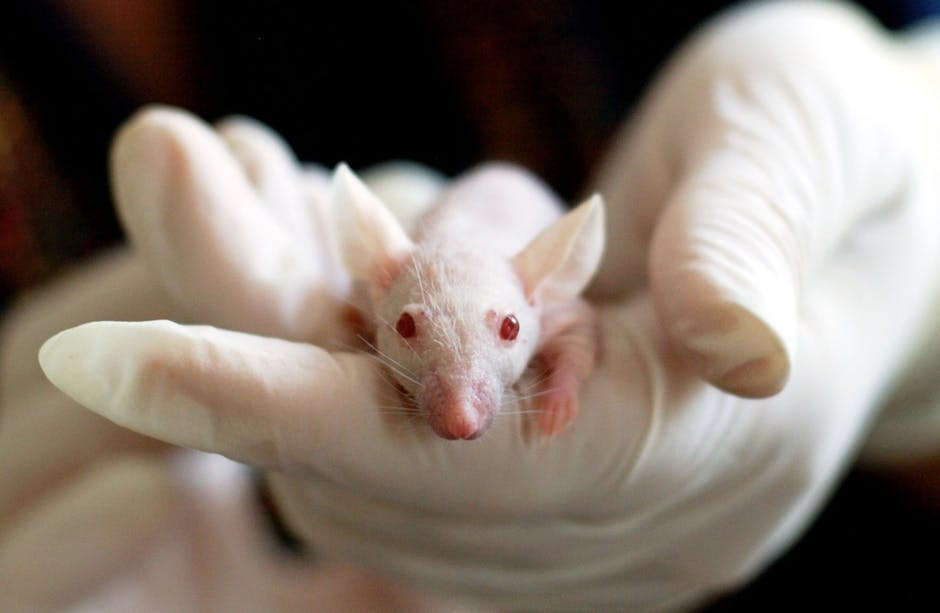
- Psilocybin, a psychoactive compound found in psychedelic mushrooms, has been shown to alleviate neuropathic pain in mice for up to four weeks.
- The study found that psilocybin enhances the pain-relieving effects of gabapentin, allowing lower doses to achieve greater relief.
- Neuropathic pain in mice was reduced by 60% due to psilocybin’s effect on neuronal hyperactivity in the spinal dorsal horn.
- Psilocybin’s prolonged pain relief effect is a promising discovery that could transform the management of chronic neuropathic conditions.
- This research suggests that psilocybin may not only offer sustained analgesia but also improve the therapeutic profile of existing pain medications.
Emerging research from the University of Reading reveals that a single dose of psilocybin, the psychoactive compound in psychedelic mushrooms, can alleviate neuropathic pain in mice for up to four weeks—a duration far exceeding the drug’s presence in the body. The study further demonstrates that psilocybin enhances the pain-relieving effects of gabapentin, a standard treatment for nerve pain, allowing lower doses to achieve greater relief. These findings suggest that psilocybin may not only offer sustained analgesia but also improve the therapeutic profile of existing pain medications, potentially transforming the management of chronic neuropathic conditions that affect millions worldwide.
Prolonged Pain Relief Backed by Experimental Data

The University of Reading team induced neuropathic pain in mice through a standardized nerve injury model, then administered a single 1 mg/kg dose of psilocybin. Pain sensitivity was measured using mechanical allodynia tests, which assess withdrawal responses to light touch. Remarkably, treated mice showed significantly reduced pain behaviors for up to 28 days post-treatment, despite psilocybin being metabolized within hours. In contrast, control animals exhibited persistent hypersensitivity. Additional data revealed a 60% reduction in pain-related neuronal hyperactivity in the spinal dorsal horn, a key region involved in pain signal processing. These effects occurred without the development of tolerance or observed adverse behavioral changes, suggesting a durable neurobiological mechanism rather than transient symptom masking. The findings, published in the journal Neuropharmacology, provide robust preclinical evidence for psilocybin’s long-term modulation of pain pathways ScienceDaily report on psilocybin and pain.
Key Researchers and Pharmaceutical Players

Dr. David Erritzoe, psychiatrist and psychedelic research lead at the University of Reading, directed the study, building on his prior work exploring psilocybin’s effects on mood and brain plasticity. The interdisciplinary team included neuropharmacologists and pain specialists who designed the dosing protocol and behavioral assays. While the study was academically driven, pharmaceutical interest in psychedelic analgesics is growing. Companies like Compass Pathways and MindMed are already advancing clinical programs for psilocybin in depression and cluster headaches, and this data may prompt expansion into chronic pain indications. The collaboration between academic neuroscience and biotech innovation is accelerating the translation of psychedelic science into viable therapeutics, with regulatory agencies like the FDA increasingly open to novel endpoints in pain trials.
Therapeutic Benefits Versus Safety and Access Trade-offs

The dual benefit of sustained pain relief and opioid-sparing potential positions psilocybin as a compelling candidate for neuropathic pain, a condition often resistant to conventional therapies. By enhancing gabapentin’s efficacy, psilocybin could allow lower doses, reducing side effects like dizziness and cognitive impairment that limit patient adherence. However, significant challenges remain: psilocybin’s psychoactive effects require supervised administration, raising logistical and cost barriers. Legal restrictions classify it as a Schedule I substance in many countries, complicating clinical access and research funding. Moreover, long-term safety data in humans is sparse, and the risk of hallucinogenic experiences may deter some patients. Still, the prospect of a one-time treatment with months of benefit could justify controlled use in refractory cases, particularly as encapsulated or non-hallucinogenic analogs are developed.
Why Now: The Convergence of Pain Crisis and Psychedelic Renaissance

The timing of this discovery is critical, as the global burden of chronic pain—estimated to affect over 1.5 billion people—clashes with the ongoing opioid crisis and limited treatment options. Traditional analgesics often fail to address neuropathic mechanisms and carry high addiction risks. Simultaneously, the past decade has seen a renaissance in psychedelic research, with renewed scientific and regulatory interest in compounds like psilocybin, MDMA, and ketamine for psychiatric and neurological conditions. Advances in neuroimaging and molecular biology have clarified how these substances promote neuroplasticity and modulate serotonin receptors, particularly 5-HT2A, implicated in both mood and pain regulation. This convergence of unmet medical need and mechanistic insight has created fertile ground for re-evaluating psychedelics beyond psychiatry.
Where We Go From Here
Over the next 6 to 12 months, three scenarios could unfold. First, the University of Reading team may initiate Phase I safety trials in humans with chronic pain, adapting protocols from existing psilocybin depression studies. Second, pharmaceutical partners could license the data to develop proprietary formulations, such as slow-release psilocybin or non-psychoactive derivatives targeting the same pathways. Third, regulatory agencies may begin drafting guidelines for psychedelic analgesia trials, especially if additional preclinical replication emerges. Each path depends on funding, regulatory flexibility, and public perception. However, the strength and duration of the observed effects in mice suggest that even cautious translation could yield meaningful clinical advances.
Bottom line — if human trials confirm these findings, psilocybin could emerge as a transformative, long-acting treatment for neuropathic pain, reducing reliance on high-dose gabapentinoids and opioids while offering sustained relief from a single administration.
Source: MedicalXpress