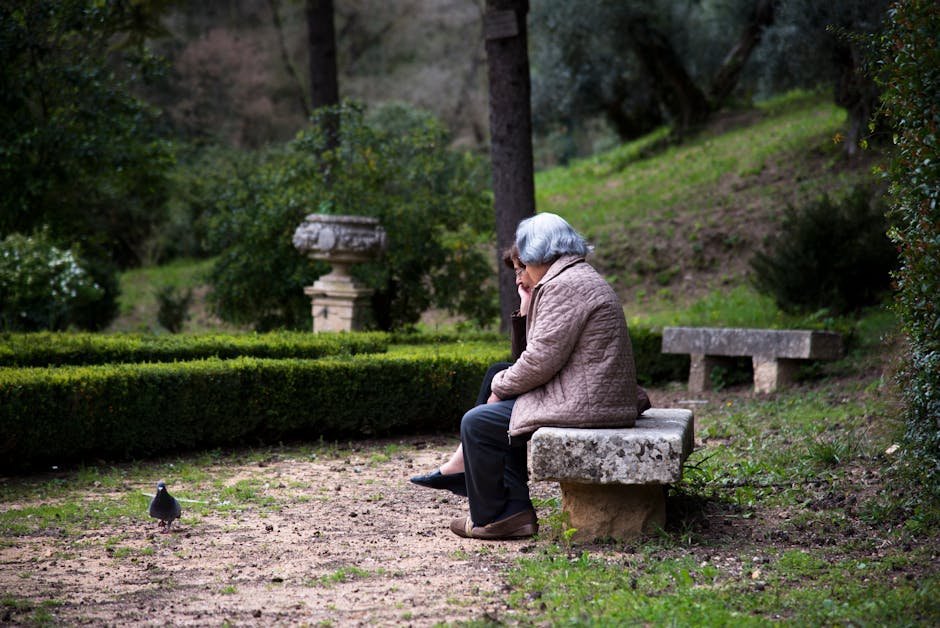
- Dawn French reveals the hidden loneliness many older women experience despite being surrounded by others.
- Loneliness in older women is often linked to major life transitions like retirement, loss of a partner, or children leaving home.
- French distinguishes between solitude and loneliness, describing the latter as a painful absence of meaningful connection.
- The UK Office for National Statistics reports that women over 65 are more likely to experience loneliness than men of the same age group.
- Public health experts are increasingly concerned about the growing issue of loneliness among older women, highlighting its impact on well-being.
On a crisp autumn morning in London, the red brick of Broadcasting House glows under a pale sun as voices drift through its corridors—producers adjusting mics, presenters rehearsing lines. Inside Studio 7A, Dawn French sits in a surprisingly modest chair, her presence both commanding and intimate. The air hums with the quiet tension of live radio. As she speaks into the microphone, her voice—familiar from decades of laughter—softens into something more vulnerable. “You can be standing in a room full of people,” she says, “and still feel utterly alone.” In that moment, the conversation on BBC Radio 4’s Woman’s Hour shifts from routine celebrity interview to a quiet revelation about the invisible weight so many older women carry: loneliness.
The Loneliness Many Don’t Talk About

French, 66, described how isolation can creep in after major life transitions—retirement, the loss of a partner, or children leaving home. She emphasized that loneliness isn’t just about being physically alone; it’s the absence of meaningful connection. “It’s not the same as solitude,” she noted. “Solitude can be beautiful. Loneliness is painful.” Her remarks come amid growing concern from public health experts. According to a 2023 report by the UK Office for National Statistics, women over 65 are more likely than men of the same age to report feeling lonely — a trend that persists despite living longer and often maintaining larger social networks. The paradox has baffled researchers and clinicians alike, suggesting that quantity of contact does not equal quality of connection.
How We Got Here

The roots of this quiet epidemic run deep. For decades, societal narratives have centered on youth, productivity, and romantic relationships as sources of fulfillment. Older women, particularly those without partners or close family nearby, often fall outside these frameworks. Structural changes have amplified the issue: increased urbanization, the decline of community hubs like churches and local clubs, and the erosion of intergenerational living. In post-war Britain, extended families were more common, and neighbors checked in regularly. Today, digital connectivity has replaced face-to-face interaction for many, but it often fails to satisfy deeper emotional needs. The pandemic exposed and worsened these fissures, with BBC News reporting that older women were disproportionately affected by lockdown isolation. Yet even as society reopens, many remain emotionally stranded.
The Women Behind the Silence

Dawn French is far from alone in her experience. Across the country, countless women navigate this emotional terrain in silence. Many grew up being taught to prioritize others—to be caregivers, peacemakers, the “glue” of the family. When their roles shift, they may lack the language or permission to express their own needs. French herself has spoken about the loss of her mother and the challenges of aging in the public eye, where vulnerability is often seen as weakness. But her willingness to speak out has given voice to a generation. Organizations like Age UK and WRVS (Women’s Royal Voluntary Service) have long worked to connect isolated older adults, but funding and outreach remain inconsistent. The people shaping change now are not just celebrities, but local volunteers, community organizers, and mental health advocates who understand that companionship is not a luxury—it’s a necessity.
What This Means for Society

The consequences of untreated loneliness extend far beyond emotional discomfort. Chronic loneliness has been linked to increased risks of heart disease, depression, cognitive decline, and even early mortality—findings corroborated by research from Nature Aging. For healthcare systems already under strain, the ripple effects are significant. Preventative social care—community centers, befriending services, subsidized transport—could reduce long-term costs, but these programs are often the first to face cuts. Families, too, must reconsider how they support aging members, recognizing that a weekly phone call may not be enough. Employers and policymakers are beginning to take note, with the UK appointing a Minister for Loneliness in 2018, though sustained action remains uneven. The message is clear: loneliness is not a personal failing, but a systemic issue demanding collective response.
The Bigger Picture
French’s remarks resonate because they reflect a broader cultural blind spot. In a world obsessed with efficiency and digital metrics, the slow, quiet work of human connection is undervalued. Loneliness among older women is not just a health issue—it’s a mirror held up to how society treats aging, femininity, and emotional labor. When we fail to see the woman sitting silently at the edge of the room, we risk erasing the very people who have spent lifetimes holding others together. Addressing this requires more than programs; it demands a shift in values—one that honors presence over productivity, depth over speed.
What comes next may depend on whether we’re willing to listen not just to celebrities, but to the millions of uncelebrated women whose stories go unheard. Solutions exist: community knitting circles, walking groups, intergenerational mentoring. But they require investment, attention, and, above all, empathy. As Dawn French reminded listeners, “You don’t have to be old to feel invisible, but it helps.” The challenge now is to make sure no one feels that way—especially not in a crowd.
Source: BBC