- Researchers found a link between prenatal chlorpyrifos exposure and abnormal cortical thickness in children’s brains.
- Higher levels of prenatal exposure to chlorpyrifos were associated with significant thinning in the cerebral cortex.
- Children prenatally exposed to chlorpyrifos scored lower on standardized motor and cognitive tests.
- Brain scans revealed weakened motor circuitry in children exposed to chlorpyrifos in the womb.
- A growing body of evidence suggests that prenatal chlorpyrifos exposure may impact neurological development.
On a quiet street in Washington Heights, a mother pushes her daughter on a swing. The girl, now seven, laughs—but her movements are slightly uncoordinated, her grip on the chains less firm than other children’s. Unseen, deep within her developing brain, subtle scars linger from a chemical she encountered before she was born. In the womb, she was exposed to chlorpyrifos, a pesticide once sprayed in homes and now still drifting from nearby farms into city air. Years later, brain scans reveal abnormal cortical thickness and weakened motor circuitry—changes scientists now trace back to that early exposure. This is not an isolated case but part of a growing body of evidence that a chemical once deemed safe may be rewriting the neurological destinies of a generation.
Hidden Brain Changes Revealed by MRI Scans

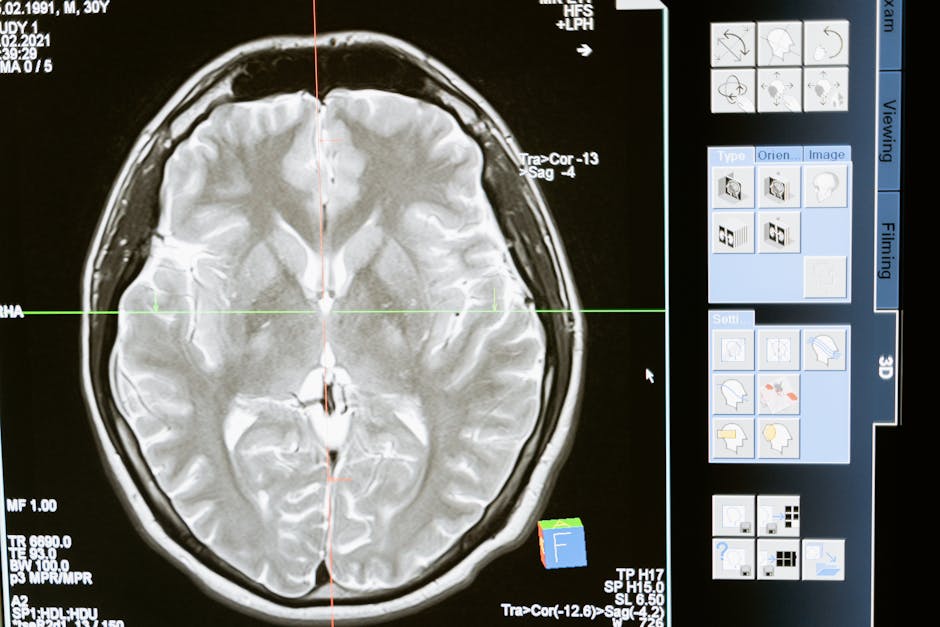
Recent neuroimaging studies have uncovered structural differences in the brains of children prenatally exposed to chlorpyrifos. Researchers at Columbia University’s Mailman School of Public Health analyzed MRI scans of 38 children aged six to eleven, all part of a long-term birth cohort study in New York City. The findings, published in Proceedings of the National Academy of Sciences, show that higher prenatal exposure correlates with significant thinning in the cerebral cortex, particularly in areas governing motor control and attention. These children also scored lower on standardized motor skill tests, including tasks requiring fine hand movements and balance. The study controlled for variables like socioeconomic status, lead exposure, and maternal education, strengthening the case for chlorpyrifos as a key neurodevelopmental disruptor. Although the children appear outwardly healthy, the subtle deficits may affect learning and behavior over time.
From Household Spray to Agricultural Staple

Chlorpyrifos, developed by Dow Chemical in the 1960s, was once a common ingredient in household pest control products. By the 1990s, it was widely used in homes, schools, and public buildings to combat cockroaches, termites, and other pests. But mounting evidence of its toxicity, particularly to children, led the U.S. Environmental Protection Agency (EPA) to ban its indoor use in 2000. Despite this, chlorpyrifos remained legal for agricultural applications—used on crops like apples, corn, and broccoli. Its persistence in the environment means it can travel through air and water, exposing populations far from farms. In 2021, the EPA proposed a complete ban on food crop uses, but legal challenges from agrochemical companies have delayed action. As a result, chlorpyrifos residues continue to be detected in food, water, and the urine of pregnant women across the U.S.
The Scientists and Advocates Behind the Research

The work linking chlorpyrifos to brain development has been led by epidemiologists and neurotoxicologists at Columbia University, including Dr. Virginia Rauh and Dr. Bradley Peterson. Their team began tracking pregnant women in low-income neighborhoods of New York City in the late 1990s, collecting urine samples to measure pesticide exposure. What started as a public health surveillance project evolved into one of the most comprehensive longitudinal studies on prenatal neurotoxicity. These researchers, funded by the National Institutes of Health, have faced criticism and scrutiny from industry groups, yet their findings have been replicated in cohorts in California and Mexico. Alongside them, advocacy organizations like the Natural Resources Defense Council (NRDC) and Earthjustice have used the data to push for regulatory change, arguing that the science is conclusive and the risks too great to delay.
Implications for Children, Farmers, and Policy

The consequences of prenatal chlorpyrifos exposure extend beyond individual health. For children, even minor deficits in motor or cognitive function can accumulate, affecting academic performance and long-term independence. For farmworkers and rural communities, the stakes are higher—their exposure is often direct and ongoing. Pregnant women working in or living near treated fields face the greatest risk, yet protections remain inconsistent. From a policy standpoint, the persistence of chlorpyrifos in agriculture highlights gaps in how the U.S. regulates chemicals with known neurodevelopmental effects. While the European Union banned the pesticide in 2020, the U.S. continues to allow its use under contested safety thresholds. Public health experts argue that the precautionary principle should prevail, especially when safer alternatives exist.
The Bigger Picture
This research underscores a broader challenge: many chemicals in everyday use have not been adequately tested for developmental neurotoxicity. The brain develops rapidly in utero, making it uniquely vulnerable to environmental insults. Chlorpyrifos may be just one of many unregulated compounds contributing to rising rates of neurodevelopmental disorders like ADHD and autism. As science advances, it reveals how early exposures can echo across a lifetime. The case of chlorpyrifos is a warning—not only about one pesticide, but about a regulatory system that often waits for irreversible harm before acting.
What comes next may depend on political will as much as scientific evidence. With the Biden administration revisiting pesticide regulations, there is renewed hope for a comprehensive ban. Meanwhile, researchers are expanding their work to study mixtures of chemicals, not just single agents. As communities demand safer environments for children, the legacy of chlorpyrifos could serve as a turning point—one where prevention finally takes precedence over proof of harm.
Source: ScienceDaily