- The Trump administration relaxed rules on super pollutant hydrofluorocarbons (HFCs) used in commercial refrigeration systems.
- The change targets 50,000 stores, including supermarkets, convenience stores, and cold-storage warehouses.
- The Environmental Protection Agency (EPA) revised its Significant New Alternatives Policy (SNAP) to allow broader use of high-global-warming-potential (GWP) refrigerants.
- The rollback is expected to save the grocery sector an estimated $200 million annually by reducing compliance, maintenance, and retrofit costs.
- Environmental groups warn that relaxing rules on HFCs could exacerbate climate change by releasing more super pollutants into the atmosphere.
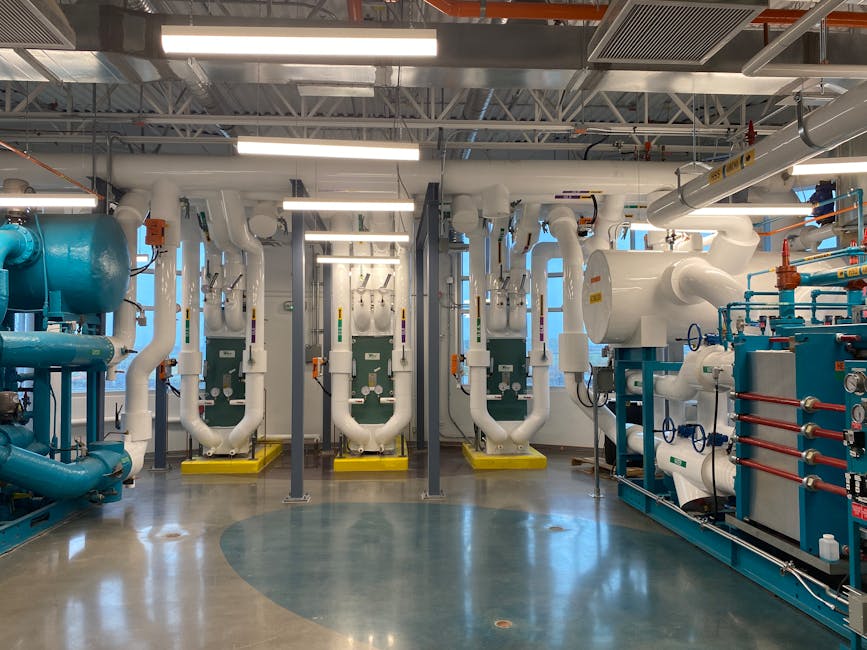
In a dimly lit backroom of a Midwestern supermarket, rows of humming compressors power freezers stocked with frozen peas and bulk ice cream. These unseen systems, critical to America’s $700 billion grocery industry, rely on chemical refrigerants that are up to 14,800 times more potent than carbon dioxide in warming the planet. Now, under a sweeping regulatory shift announced by the Trump administration, those systems can operate with looser federal oversight. The change, framed as a relief for grocers facing rising costs, targets hydrofluorocarbons (HFCs)—chemicals once hailed as ozone-friendly but now recognized as super pollutants driving climate change. The air here may feel cold, but the political and environmental temperature is rising.
New Rules for Refrigerant Management

The Environmental Protection Agency (EPA), under direction from the White House, has revised its Significant New Alternatives Policy (SNAP) to allow broader use of high-global-warming-potential (GWP) refrigerants in commercial refrigeration systems. Specifically, the rollback removes restrictions on HFC-134a and HFC-404A in standalone and secondary loop systems used in supermarkets, convenience stores, and cold-storage warehouses. The administration argues the change will save the grocery sector an estimated $200 million annually by reducing the cost of compliance, maintenance, and retrofits. However, environmental groups warn that relaxing rules on these super pollutants could add the equivalent of 30 million metric tons of CO2 emissions over the next decade. The EPA contends that voluntary industry adoption of greener alternatives remains encouraged, but is no longer mandated under federal law.
How We Got Here: A Regulatory Reversal

The shift reverses a decade-long bipartisan trend toward tighter control of HFCs. Under the Obama administration, the EPA launched the SNAP program to phase down high-GWP refrigerants, aligning with the 2016 Kigali Amendment to the Montreal Protocol—a global agreement ratified by over 120 countries to cut HFC use by more than 80% by 2047. Though the U.S. signed the accord, the Senate never ratified it. Still, U.S. regulators moved forward, pushing innovation in low-GWP alternatives like hydrofluoroolefins (HFOs) and natural refrigerants such as CO2 and ammonia. By 2020, over 40% of new supermarket installations used these safer systems. But legal challenges from chemical manufacturers, including a 2018 D.C. Circuit Court ruling that questioned the EPA’s authority to mandate substitutions, created regulatory uncertainty. The Trump administration seized on this gap, framing HFC restrictions as government overreach and burdensome to small businesses.
The Players Behind the Policy Shift

Key architects of the rollback include senior officials at the EPA and the Department of Agriculture, alongside lobbyists from the Food Industry Association and the Air-Conditioning, Heating, and Refrigeration Institute (AHRI). These groups argued that retrofitting refrigeration systems to meet stricter standards was prohibitively expensive, especially for rural and independent grocers. On the other side, environmental scientists and climate advocacy organizations, including the Natural Resources Defense Council and the Environmental Defense Fund, pushed back, citing long-term economic costs of climate inaction. Meanwhile, chemical giants like Chemours and Honeywell, which invested heavily in HFO development, saw their market incentives erode. The administration’s stance reflects a broader ideological pivot: prioritize short-term economic relief over long-term environmental risk mitigation, particularly in sectors vital to consumer affordability.
Consequences for Industry and Environment

The immediate effect of the rule change is financial relief for grocery operators, many of whom operate on razor-thin margins. Chains like Kroger and Albertsons may delay costly upgrades, preserving capital for wage increases or price stabilization. However, the decision could slow innovation in green refrigeration technologies and undermine U.S. credibility in global climate negotiations. Internationally, countries adhering to the Kigali Amendment may view American backtracking as a setback. Domestically, states like California and New York, which have enacted their own HFC restrictions, may now face legal battles over federal preemption. Additionally, the increased use of high-GWP refrigerants raises the risk of leaks, which are difficult to detect and costly to remediate, potentially exposing workers and communities to health hazards.
The Bigger Picture
This regulatory shift is not merely about refrigerants—it reflects a deeper tension between economic pragmatism and environmental stewardship. As climate impacts accelerate, from heat waves to supply chain disruptions, the cost of inaction grows. Cheap cooling today may mean costlier adaptation tomorrow. The U.S. accounts for 15% of global HFC emissions, and while refrigerants make up a small fraction of total greenhouse gases, their extreme potency magnifies their impact. Policies that defer environmental regulation for short-term savings risk locking in outdated infrastructure and delaying the transition to a resilient, low-carbon economy.
What comes next may depend on the 2024 election. If a new administration takes office, it could reinstate or even expand HFC restrictions, potentially reigniting industry resistance. Meanwhile, technological advances in natural refrigerant systems continue, driven by global demand and state-level mandates. The freezers will keep humming, but the debate over what powers them—and at what cost—is far from over. The EPA’s own data shows that addressing super pollutants is one of the fastest ways to curb near-term warming, suggesting today’s regulatory choices could shape the climate for decades.
Source: Thehill