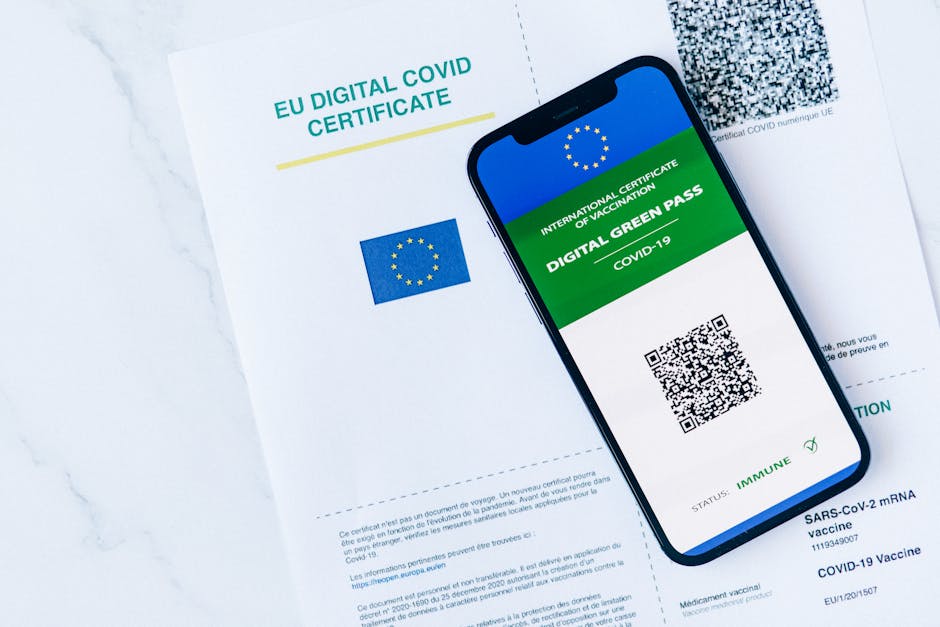
- The pill form of Wegovy has been approved by the European Medicines Agency (EMA) for treating obesity and related conditions.
- The oral version of semaglutide, marketed as Wegovy, offers a once-daily alternative to the weekly injectable form.
- Clinical trials showed that the oral formulation achieves comparable weight loss to the injectable form, averaging 15-18% of body weight over 68 weeks.
- The approval applies to adults with obesity or overweight and at least one weight-related condition, such as type 2 diabetes or hypertension.
- The pill form of Wegovy signals a shift in how society views and treats chronic weight issues, moving beyond lifestyle advice and surgery.
In a quiet Copenhagen laboratory, scientists at Novo Nordisk once tested molecules with the hope of transforming how the world treats obesity. Years later, their persistence has yielded a milestone: the European Medicines Agency (EMA) has approved the pill form of Wegovy, the blockbuster anti-obesity drug previously available only as a weekly injection. This decision ushers in a new era in metabolic medicine, where patients may soon manage their weight without needles. For millions across Europe who have struggled with obesity-related conditions, the approval represents more than convenience—it signals a shift in how society views and treats chronic weight issues. No longer relegated to lifestyle advice and surgery, obesity is now being met with pharmaceutical innovation that could redefine long-term care.
Oral Wegovy Gains EU Regulatory Approval

The European Commission, acting on the EMA’s recommendation, has authorized the oral version of semaglutide—marketed as Wegovy—for use in adults with obesity or overweight with at least one weight-related condition such as type 2 diabetes, hypertension, or sleep apnea. The pill, taken once daily on an empty stomach, offers a significant alternative to the injectable form that has dominated the market since its launch. Clinical trials demonstrated that the oral formulation achieves comparable weight loss—averaging 15% to 18% of body weight over 68 weeks—when combined with diet and exercise. The approval applies across all 27 EU member states, paving the way for national health systems to begin reimbursement discussions. Unlike the injectable version, which requires cold storage and precise dosing, the tablet form improves accessibility, particularly for patients with needle aversion or limited healthcare support.
The Road to an Oral GLP-1 Therapy

Developing an oral version of a peptide drug like semaglutide was once considered nearly impossible. Peptides are easily broken down in the digestive tract, rendering them ineffective when swallowed. Novo Nordisk overcame this challenge through a proprietary technology involving a small absorption enhancer, sodium N-(8-[2-hydroxybenzoyl] amino) caprylate (SNAC), which protects the drug and facilitates its uptake in the stomach lining. This innovation was first proven in the company’s oral semaglutide for type 2 diabetes, Rybelsus, approved in the U.S. in 2019. Building on that success, researchers scaled up the dosage for weight management, leading to the Phase 3 OASIS trials, which showed robust efficacy and a safety profile consistent with other GLP-1 receptor agonists—primarily gastrointestinal side effects like nausea and diarrhea. The journey spanned over a decade of biochemical engineering, underscoring the complexity of delivering biologic drugs through non-invasive routes.
Novo Nordisk and the Race for Obesity Therapies

At the heart of this advancement is Novo Nordisk, a Danish pharmaceutical giant that has emerged as the global leader in GLP-1-based treatments. Executives, including CEO Lars Fruergaard Jørgensen, have long emphasized obesity as a chronic disease requiring long-term pharmacological solutions. The company’s investment in metabolic research has paid off: Wegovy’s injectable form generated over $8 billion in global sales in 2023 alone. With the pill now approved, Novo Nordisk is poised to expand its reach to patients who previously avoided treatment due to injection anxiety or logistical barriers. However, the company faces rising competition from Eli Lilly, whose oral tirzepatide (Zepbound) is advancing through trials, and from emerging biotechs aiming to develop next-generation weight loss drugs with fewer side effects and greater convenience.
Impact on Patients and Healthcare Systems

The approval offers tangible benefits for patients, particularly those for whom weekly injections are a barrier to adherence. General practitioners across Europe may now be more willing to prescribe anti-obesity medication, given the ease of use and familiarity with oral drugs. However, challenges remain: cost and reimbursement will be critical determinants of access. In countries like Germany and France, health authorities will evaluate the drug’s cost-effectiveness before including it in public formularies. Meanwhile, specialists warn that while the pill improves access, it must be paired with lifestyle support to ensure sustained outcomes. There is also concern about potential shortages, as demand for GLP-1 drugs continues to outpace supply, driven by both obesity and diabetes use.
The Bigger Picture
This approval reflects a broader transformation in how obesity is understood—not as a failure of willpower, but as a complex metabolic disorder requiring medical intervention. As pharmaceuticals like oral Wegovy become mainstream, they challenge long-standing stigmas and force healthcare systems to rethink treatment protocols. The World Health Organization recognizes obesity as a global epidemic, affecting over 650 million adults worldwide. Effective, scalable treatments are no longer a luxury but a public health imperative. The success of oral semaglutide could accelerate investment in non-invasive therapies and expand insurance coverage for obesity care.
What comes next is not just wider distribution of the pill, but a reimagining of chronic disease management. As Novo Nordisk prepares for rollout, likely in early 2025, health systems must integrate these drugs into holistic care models. The era of injectable-only GLP-1s may be fading, but the real test lies in ensuring equitable access and long-term support for those who need it most.
Source: MedicalXpress