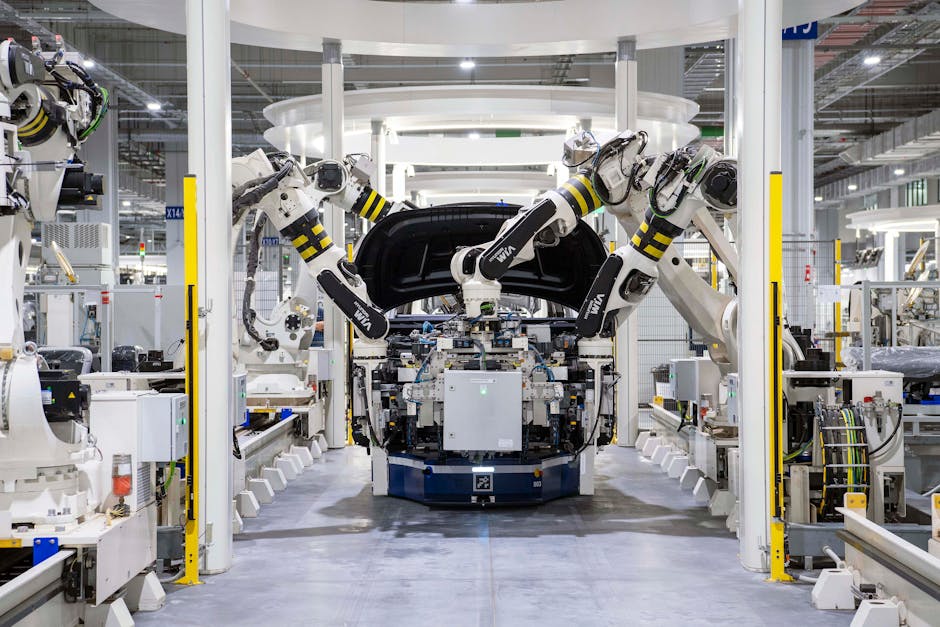
- Chinese automakers have gained a significant presence in Europe’s EV market in just five years.
- Western automakers are increasingly sourcing vehicles from China to meet electrification demands and maintain profitability.
- Chinese manufacturers have achieved cost advantages through state-backed industrial policy, rapid EV innovation, and disciplined cost control.
- Chinese automakers’ vertical integration of EV supply chains has allowed them to produce vehicles at lower costs.
- Europe’s industrial autonomy and supply chain dependencies may be impacted by the growing presence of Chinese automakers.
Why are so many European drivers suddenly behind the wheel of a car built in China? Just five years ago, Chinese automakers were barely a presence in Western markets. Today, they’re reshaping the European automotive landscape. From budget-friendly electric models to high-tech sedans, vehicles rolling off Chinese production lines are now common sights on German autobahns and French city streets. Western automakers, under pressure to electrify quickly while maintaining profitability, are increasingly sourcing vehicles from China — not just for emerging markets, but for their own home territories. This quiet import surge raises questions about Europe’s industrial autonomy, supply chain dependencies, and the future of its once-dominant auto sector.
How Chinese automakers gained a foothold in Europe

The rise of Chinese cars in Europe is rooted in a combination of state-backed industrial policy, rapid innovation in electric vehicles (EVs), and disciplined cost control. Chinese manufacturers like BYD, Geely, and SAIC have spent over a decade building vertically integrated supply chains for EV components, including batteries and semiconductors, allowing them to produce vehicles at significantly lower costs. Unlike many Western automakers still transitioning from internal combustion engines, Chinese firms designed their platforms around electric drivetrains from the outset. This head start, coupled with overcapacity in domestic Chinese manufacturing, has fueled exports. Rather than undercutting Western brands directly, many Chinese-built cars reach Europe under familiar names — such as the Mini Electric, produced in China by a joint venture between BMW and Great Wall Motor.
Partnerships and production shifts driving imports

Data from the European Automobile Manufacturers Association (ACEA) shows that over 400,000 Chinese-built passenger cars were registered in the EU in 2023 — a 63% year-on-year increase. Notably, nearly half of these were produced by Western brands using Chinese factories. For example, Volvo, owned by China’s Geely, manufactures its EX30 compact SUV in Luqiao, Zhejiang, for global markets, including Europe. Similarly, Tesla’s Berlin Gigafactory sources battery packs from its Shanghai plant. According to a Reuters report, BMW executives have credited Chinese production with helping the Mini brand remain profitable despite declining sales volume. The EU’s strict emissions regulations have accelerated this trend, forcing automakers to scale EV production quickly — and China offers the fastest, most cost-effective path.
Skepticism over long-term sustainability and safety

Despite their growing popularity, Chinese-made vehicles face skepticism from some European consumers and policymakers. Critics point to concerns about data privacy, given that many Chinese EVs are equipped with extensive telematics systems that could, in theory, transmit data back to servers in China. The European Commission has launched an anti-subsidy investigation into Chinese EV imports, arguing that state support gives manufacturers an unfair advantage. Some analysts also question whether the current export model is sustainable. “Europe is essentially outsourcing its green transition to a strategic competitor,” said Claudia Schmied, a transport policy expert at the Jacques Delors Institute. Others counter that European consumers benefit from lower prices and faster access to EVs, and that joint ventures maintain quality standards. Still, debates over industrial sovereignty and supply chain resilience continue to simmer.
Real-world impact on jobs and manufacturing

The influx of Chinese-built cars is already affecting Europe’s auto manufacturing base. While brands like Stellantis and Volkswagen continue to produce locally, they are shifting investment toward higher-margin models, leaving entry-level EVs to be imported. In 2023, Renault announced it would stop producing the next generation of its Dacia Spring in Romania, opting instead to import the model from its Chinese partner, Dongfeng. This decision saved the company an estimated €300 million in capital expenditures. However, labor unions warn that such moves could erode Europe’s industrial capabilities over time. Meanwhile, logistics hubs like the Port of Zeebrugge in Belgium have seen a surge in car shipments from China, with dedicated storage zones and charging infrastructure built to handle the influx. The ripple effects are being felt across supply chains, from dealerships to repair shops adapting to new vehicle architectures.
What This Means For You
If you’re in the market for an affordable electric car in Europe, Chinese manufacturing is likely working in your favor — offering lower prices and more model choices. But this trend also means that decisions about vehicle design, software updates, and data management may increasingly be made thousands of miles away. For policymakers and workers in the auto sector, the shift raises difficult questions about how to balance cost, innovation, and strategic independence. As European regulators deliberate on tariffs and trade rules, the vehicles on your street may already reflect a new global reality.
Will Europe’s reliance on Chinese auto production accelerate its green transition, or ultimately weaken its industrial sovereignty? And as other sectors face similar pressures, can Western economies compete with state-supported manufacturing powerhouses without sacrificing affordability or innovation? The answers may shape not just the future of cars, but the broader trajectory of the global economy.
Source: Financial Times