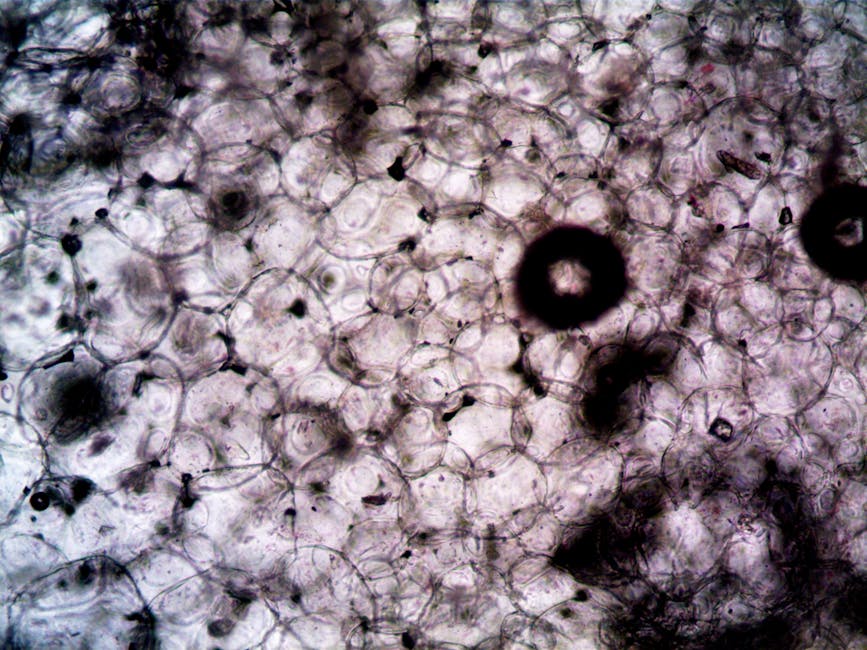
- Zombie cells play a complex dual role in human aging, contributing to both tissue degeneration and repair.
- A subset of senescent cells is essential for wound healing, tumor suppression, and tissue homeostasis.
- Anti-aging strategies may need to shift from eliminating all senescent cells to targeting only the harmful subset.
- Senescent cells exhibit functional heterogeneity depending on their tissue environment and molecular profile.
- A more selective approach to targeting senescent cells could lead to improved physical function and extended lifespan.
Emerging research is overturning long-held assumptions about cellular senescence, revealing that so-called “zombie cells”—those that stop dividing but resist death—play a complex dual role in human aging. While some of these cells contribute to inflammation and tissue degeneration, a growing body of evidence shows others are essential for wound healing, tumor suppression, and tissue homeostasis. This paradigm shift is prompting a reevaluation of anti-aging strategies that aim to eliminate all senescent cells, suggesting instead a more precise, selective approach to targeting only the harmful subset.
Senescent Cells Show Divergent Biological Effects

Recent studies published in Nature demonstrate that senescent cells exhibit functional heterogeneity depending on their tissue environment, duration of senescence, and molecular profile. In mouse models, researchers found that approximately 50% of senescent cells expressed pro-inflammatory markers like IL-6 and TNF-α, which are linked to age-related diseases such as arthritis, atherosclerosis, and neurodegeneration. However, the other half displayed protective gene signatures, including upregulation of tissue repair factors such as fibronectin, VEGF, and TGF-β. In one experiment, selective ablation of only the inflammatory subset improved physical function and extended median lifespan by 25%, whereas wholesale removal of all senescent cells led to impaired wound healing and increased liver damage. These findings suggest that blanket senolytic therapies—drugs designed to clear senescent cells—may inadvertently disrupt essential regenerative processes.
Key Players Reshape the Senescence Therapeutics Landscape

Leading research institutions, including the Mayo Clinic and the Buck Institute for Research on Aging, are now focusing on identifying biomarkers that distinguish beneficial from harmful senescent cells. Dr. James Kirkland, a pioneer in senolytic research at Mayo, has collaborated with biotech firms like Unity Biotechnology and Oisín Biotechnologies to develop next-generation therapies that target only cells with specific surface markers, such as uPAR and DPP4. Meanwhile, academic labs at the University of California, San Francisco, have engineered a “smart senolytic” system using gene switches that activate cell death only in the presence of high p16 and NF-κB activity—hallmarks of pathological senescence. These innovations are supported by funding from the National Institutes of Health’s Interventions Testing Program, which has prioritized precision over broad-spectrum clearance in its latest anti-aging research portfolio.
Trade-Offs Between Clearance and Regeneration

The challenge in targeting senescent cells lies in balancing the benefits of reducing chronic inflammation against the risks of impairing natural repair mechanisms. While persistent senescent cells are implicated in driving age-related decline, their transient presence after injury is crucial for recruiting immune cells, preventing fibrosis, and supporting stem cell activation. Clinical trials of early senolytics like dasatinib and quercetin have shown improvements in frailty and pulmonary function in elderly patients, but also reported side effects such as thrombocytopenia and delayed tissue regeneration. Experts warn that indiscriminate clearance could mimic the effects seen in genetic models where senescence pathways are entirely disrupted, leading to increased cancer incidence and developmental defects. The emerging consensus is that therapeutic success will depend on spatial, temporal, and phenotypic precision—not mere elimination.
Why the Timing Is Now for Precision Senotherapy

Advances in single-cell RNA sequencing and spatial transcriptomics have made it possible to map senescent cell populations with unprecedented resolution, allowing researchers to classify them by function rather than mere presence. This technological leap, combined with a deeper understanding of the senescence-associated secretory phenotype (SASP), has created a fertile ground for targeted interventions. Regulatory interest is also growing: the FDA has granted breakthrough therapy designation to two senolytic candidates, signaling a shift toward clinical validation. Moreover, the aging global population—projected to include over 1.5 billion people aged 60+ by 2050 according to the World Health Organization—has intensified the urgency for safe, effective anti-aging treatments that do not compromise physiological resilience.
Where We Go From Here
Over the next 6 to 12 months, the field is likely to see three key developments: first, the launch of clinical trials testing biomarker-guided senolytic regimens in patients with idiopathic pulmonary fibrosis and diabetic kidney disease; second, the release of AI-driven platforms that predict senescent cell behavior based on proteomic profiles; and third, the emergence of combination therapies that pair selective senolytics with immunomodulators to enhance clearance of harmful cells while preserving regenerative ones. Regulatory agencies may begin drafting guidelines for senotherapeutic classification, distinguishing between broad and precision agents. Investment in biotech startups focusing on senescence mapping is expected to rise, potentially reshaping the $600 billion global anti-aging market.
Bottom line — the discovery that zombie cells can be both foes and allies in aging demands a more sophisticated therapeutic strategy, one that preserves their protective functions while neutralizing their destructive potential.
Source: ScienceDaily