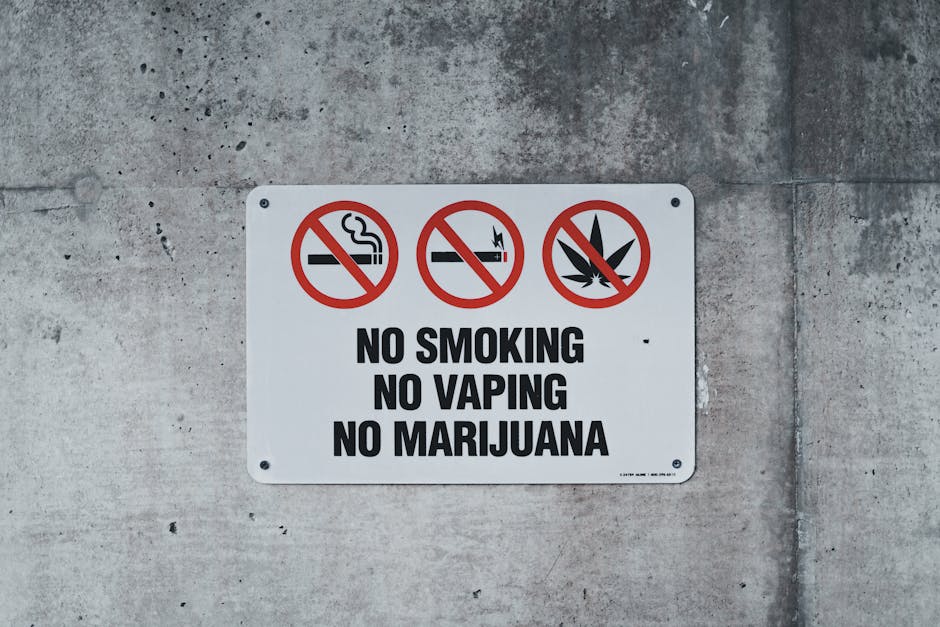
- Anti-vaping campaigns often focus on health risks, neglecting underlying factors that drive vaping behavior.
- To reduce vaping rates, campaigns must consider social influences, stress, and perceived benefits of vaping.
- Current campaigns may be missing the mark by failing to support behavior change among young people.
- A comprehensive approach is needed to educate and prevent vaping-related harm among young people.
- Anti-vaping campaigns in Australia often lack credible sources of information, undermining their effectiveness.
As the world grapples with the growing problem of vaping among young people, many are asking: what is the most effective way to educate and prevent vaping-related harm? With the rise of e-cigarettes and vaping products, governments and health organizations have launched numerous campaigns to warn people about the dangers of vaping. However, a recent study from the University of Queensland suggests that some of these campaigns may be missing the mark, failing to effectively support behavior change among their target audience.
Understanding the Core Question

The question at the heart of this issue is: how can anti-vaping campaigns be designed to effectively reduce vaping rates among young people? The answer lies in understanding the complex factors that drive vaping behavior, including social influences, stress, and the perceived benefits of vaping. According to the study published in the journal Tobacco Control, many current campaigns focus primarily on the health risks associated with vaping, but neglect to address these underlying factors. By taking a more comprehensive approach, campaigns can better support young people in making informed decisions about their health.
Supporting Evidence from Research

The University of Queensland research provides valuable insights into the shortcomings of current anti-vaping campaigns. The study analyzed existing campaigns in Australia and found that many failed to provide credible sources of information, neglected to address the social and emotional factors driving vaping behavior, and often relied on fear-based messaging that may be counterproductive. As noted by the World Health Organization, effective health campaigns should be grounded in evidence and tailored to the specific needs and concerns of their target audience. By drawing on this research, campaigners can develop more effective strategies to reduce vaping rates and promote healthy behaviors.
Counter-Perspectives and Criticisms

Not everyone agrees that current anti-vaping campaigns are ineffective, and some argue that fear-based messaging can be a powerful tool for grabbing people’s attention and encouraging behavior change. However, critics argue that this approach can also be alienating and stigmatizing, particularly for young people who may already be struggling with vaping addiction. Moreover, skeptics point out that some campaigns may be overly simplistic, failing to account for the complex social and cultural factors that drive vaping behavior. As reported by The New York Times, a more nuanced approach is needed, one that balances the need to warn people about the dangers of vaping with the need to provide supportive and non-judgmental resources for those seeking to quit.
Real-World Impact and Consequences

The consequences of ineffective anti-vaping campaigns can be severe, with vaping-related illnesses and deaths continuing to rise among young people. In Australia, for example, the number of vaping-related hospitalizations has increased significantly in recent years, with many cases involving young people who were unaware of the risks associated with vaping. By developing more effective campaigns, governments and health organizations can help reduce the burden of vaping-related harm and promote healthier behaviors among young people. As highlighted by the Centers for Disease Control and Prevention, this requires a comprehensive approach that addresses the social, emotional, and environmental factors driving vaping behavior.
What This Means For You
So what can you do to make a difference? If you’re a parent, educator, or healthcare provider, you can play a critical role in supporting young people to make informed decisions about their health. By providing credible sources of information, addressing the social and emotional factors driving vaping behavior, and offering non-judgmental support and resources, you can help young people navigate the complex issues surrounding vaping. As noted by the World Health Organization, every individual has the power to make a positive impact and promote healthier behaviors in their community.
As we move forward, the question remains: how can we develop anti-vaping campaigns that truly support behavior change and reduce vaping-related harm? Further research is needed to answer this question, and to develop effective strategies that address the complex factors driving vaping behavior. By working together and sharing knowledge and best practices, we can create a healthier and more supportive environment for young people, and help them make informed decisions about their health and wellbeing.
Source: MedicalXpress