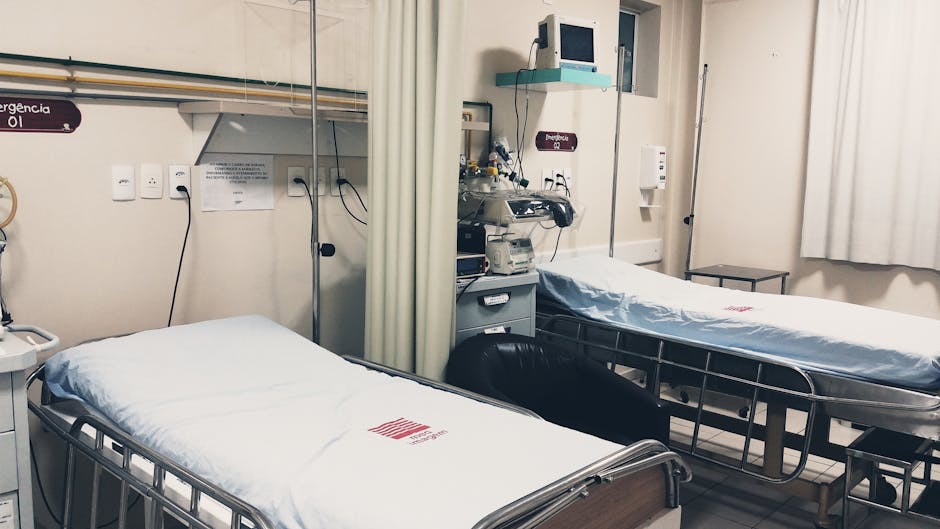
- Argentina’s President Javier Milei has introduced austerity measures, including significant cuts to the country’s healthcare budget.
- The cuts aim to reduce government spending, but critics argue they will disproportionately affect the poor and elderly.
- Argentina’s economic crisis has sparked protests and outrage over the reduction in healthcare funding.
- The country is struggling to provide basic services, and the healthcare system is expected to suffer due to the cuts.
- The long-term impact of the cuts on Argentina’s most vulnerable populations is a major concern.
As Argentina’s economic crisis deepens, hundreds of protesters took to the streets of Buenos Aires to condemn President Javier Milei’s austerity policies, particularly the cuts to the country’s healthcare system. The question on everyone’s mind is: what will be the impact of these cuts on the most vulnerable populations? With the country already struggling to provide basic services, the reduction in healthcare funding has sparked widespread outrage and concern about the future of Argentina’s healthcare system.
Understanding the Cuts to Argentina’s Healthcare System

The direct answer to the question of what the cuts entail lies in the specifics of President Milei’s austerity package. The measures aim to reduce government spending, including a significant decrease in the budget allocated to healthcare. This move is part of a broader effort to stabilize Argentina’s economy, which has been plagued by inflation and debt. However, critics argue that these cuts will disproportionately affect the poor and the elderly, who rely heavily on public healthcare services. According to reports from BBC, the cuts are expected to lead to a reduction in the quality and accessibility of healthcare services across the country.
Evidence of the Impact of Austerity Measures

Data and quotes from various sources, including healthcare professionals and patient advocacy groups, paint a grim picture of the potential consequences of these cuts. For instance, the World Health Organization (WHO) has warned about the dangers of reducing healthcare spending, citing the importance of investing in health as a key component of economic development and stability. Moreover, studies have shown that austerity measures can lead to increased mortality rates, decreased life expectancy, and a higher burden of disease. As one protester noted, “These cuts are not just numbers on a budget sheet; they represent lives that will be lost and families that will suffer.”
Counter-Perspectives on the Necessity of Austerity

Despite the outcry, there are those who argue that the austerity measures, including the cuts to healthcare, are necessary to put Argentina’s economy back on track. Proponents of the policy contend that the current level of government spending is unsustainable and that reducing the budget deficit is crucial for attracting foreign investment and promoting economic growth. However, skeptics point out that such measures have historically led to increased inequality and social unrest, questioning whether the potential economic benefits outweigh the human cost. Alternative views suggest that there are other ways to address the economic crisis, such as implementing progressive taxation and reducing corruption, which could mitigate the need for drastic cuts to essential services like healthcare.
The Real-World Impact of Reduced Healthcare Funding

The concrete examples of the impact of reduced healthcare funding are alarming. Hospitals are already reporting shortages of essential medicines and equipment, and healthcare workers are facing significant challenges in providing adequate care. The consequences of these cuts will be felt across the spectrum, from pregnant women and newborns to the elderly and those suffering from chronic diseases. For instance, a reduction in vaccination programs could lead to outbreaks of preventable diseases, while cuts to mental health services could exacerbate the existing mental health crisis. As the situation unfolds, it becomes clear that the effects of these austerity measures will be far-reaching and devastating.
What This Means For You
The practical takeaway for readers is that the cuts to Argentina’s healthcare system are part of a larger global trend of austerity measures that can have profound effects on individuals and communities. It’s essential to stay informed about policy changes and their potential impacts on healthcare and other critical services. Moreover, understanding the complexities of economic policies and their human consequences can empower individuals to demand more from their leaders and to advocate for policies that prioritize human well-being over economic austerity.
As the protests in Argentina continue, an open question remains: how will the international community respond to the crisis, and what role can global solidarity play in mitigating the effects of austerity on the most vulnerable populations? The answer to this question will depend on the actions of governments, international organizations, and civil society, highlighting the need for a coordinated and compassionate response to address the humanitarian implications of economic policies.
Source: Al Jazeera