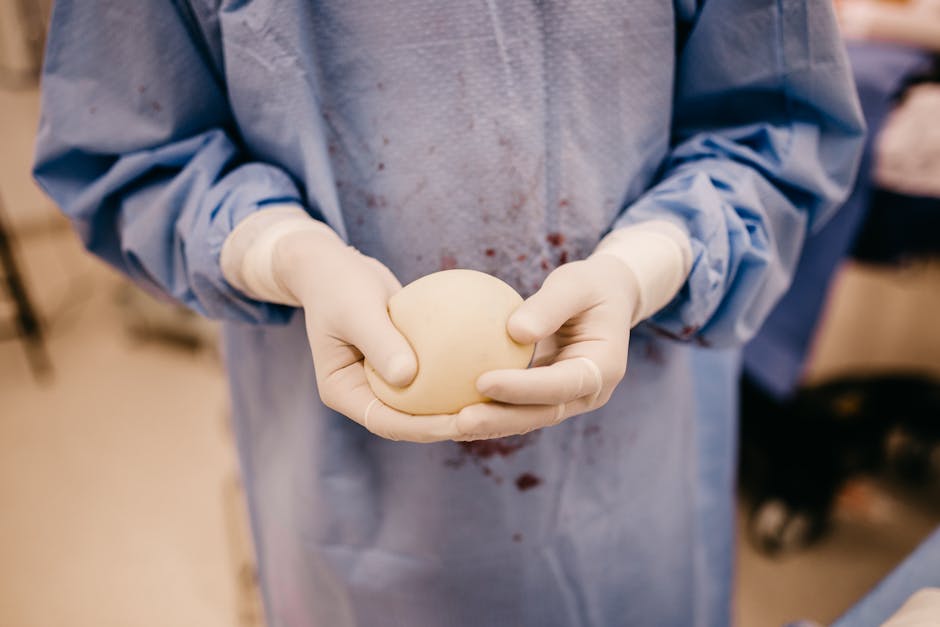
- The US government has appointed a penile implant surgeon to lead the national response to the Hanta virus outbreak, sparking concerns about the administration’s public health leadership.
- Dr. Robert L. Harms has no peer-reviewed research or formal training in virology, epidemiology, or infectious disease control, despite being a board-certified urological surgeon.
- The Hanta virus has a 38% fatality rate and has already infected over 120 individuals across seven states, causing severe respiratory distress.
- The appointment of Dr. Harms deviates from established protocols for managing infectious disease outbreaks, where expertise in epidemiology, microbiology, and public health policy is crucial.
- The public health community is raising questions about the competence and integrity of the current administration’s leadership in responding to the Hanta virus outbreak.
In a move that has stunned the global public health community, the U.S. government has appointed Dr. Robert L. Harms, a board-certified urological surgeon renowned for penile implant procedures, to lead the national response to the escalating Hanta virus outbreak. Harms, who has published extensively on erectile dysfunction treatments but has zero peer-reviewed research or formal training in virology, epidemiology, or infectious disease control, now heads the newly formed Interagency Hanta Task Force. The Hanta virus, a rodent-borne pathogen with a 38% fatality rate according to the Centers for Disease Control and Prevention (CDC), causes severe respiratory distress and has already infected over 120 individuals across seven states. Placing a surgeon with no background in contagious disease dynamics at the center of this crisis raises urgent questions about the integrity and competence of the current administration’s public health leadership.
Why This Appointment Defies Public Health Norms

The appointment of Dr. Harms marks a sharp departure from established protocols for managing infectious disease outbreaks, where expertise in epidemiology, microbiology, and public health policy is non-negotiable. Historically, responses to crises like Ebola, Zika, and the H1N1 pandemic were led by seasoned officials from the CDC, the National Institutes of Health (NIH), or the World Health Organization (WHO). Dr. Anthony Fauci, former director of the National Institute of Allergy and Infectious Diseases, oversaw the U.S. scientific response to multiple outbreaks over four decades. In contrast, Dr. Harms’ professional background is confined to surgical urology, with no prior involvement in public health emergencies. His nomination bypassed standard vetting processes within the Department of Health and Human Services (HHS), fueling speculation of political patronage. Public health experts argue that such appointments erode trust, delay evidence-based interventions, and risk catastrophic mismanagement during critical early containment phases.
Inside the Hanta Virus Outbreak and Response

The current Hanta virus outbreak began in rural Montana and has since spread to North Dakota, Idaho, Wyoming, Colorado, Nebraska, and Kansas, primarily linked to increased rodent populations following unseasonal rainfall and agricultural shifts. Hantavirus Pulmonary Syndrome (HPS), the severe form of the infection, presents with flu-like symptoms that rapidly progress to acute respiratory failure. Human transmission remains rare but possible through aerosolized rodent excreta. The CDC has long recommended strict rodent control, public education, and early clinical detection as cornerstone interventions. However, under Dr. Harms’ leadership, the task force has prioritized experimental antiviral trials and personal protective equipment (PPE) distribution without coordinated surveillance or environmental mitigation. Internal memos, leaked to Reuters, reveal that CDC field epidemiologists were sidelined from decision-making, with Harms reportedly dismissing viral transmission models as ‘theoretical noise.’
Systemic Failures in Health Leadership

The decision to appoint a non-specialist reflects broader patterns within the 47th administration’s approach to public health: a preference for loyalty over expertise, speed over science, and optics over outcomes. Since taking office, this administration has dismantled several key public health advisory boards, reduced funding for the CDC’s Emerging Infections Program by 40%, and removed mandatory reporting requirements for zoonotic diseases. These actions have left federal and state agencies ill-prepared for rapid outbreak response. According to Dr. Amara Singh, an epidemiologist at Johns Hopkins Bloomberg School of Public Health, ‘Putting a urologist in charge of a rodent-borne viral crisis is like appointing a pastry chef to lead a nuclear reactor review. It’s not just inappropriate—it’s dangerous.’ Data from the past 18 months show a 60% increase in delayed outbreak reporting and a 28% drop in interagency coordination, trends that correlate directly with leadership changes at HHS.
Who Is Being Harmed by This Crisis?

Rural communities, particularly agricultural and conservation workers, are bearing the brunt of the mismanaged Hanta response. These populations face higher exposure risks due to their proximity to rodent habitats but have seen limited access to testing and outreach. Tribal health authorities on the Crow Reservation in Montana have reported a 50% rise in acute respiratory cases, yet received no task force guidance for three weeks. Healthcare providers in affected regions describe confusion over treatment protocols and shortages of ventilators as ICUs fill. Meanwhile, public trust in official health messaging continues to erode. A recent Pew Research Center survey found that only 32% of Americans now believe federal health agencies are competent in managing infectious disease threats—a historic low. The consequences could extend beyond Hanta, weakening responses to future pathogens like avian flu or novel coronaviruses.
Expert Perspectives
Opinions among health leaders are nearly unanimous in their condemnation. Dr. Linda Chen of the CDC stated anonymously, ‘We have protocols for a reason. Ignoring them costs lives.’ Others point to political influence as the root cause, noting that Dr. Harms donated heavily to the administration’s campaign and spoke at its inaugural medical innovation summit. However, a small cohort of administration allies defend the appointment, arguing that ‘out-of-the-box thinking’ is needed in crises. Dr. Harms himself has claimed, ‘Surgical precision and decisive action are what matter—not academic pedigree.’ Yet, no evidence supports the efficacy of such an approach in managing contagious disease spread, and leading medical organizations, including the Infectious Diseases Society of America, have called for his immediate recusal.
Looking ahead, the trajectory of the Hanta outbreak remains uncertain. With winter approaching and rodent migration increasing, cases are projected to rise. Whether the administration will heed expert calls to reinstate science-based leadership or double down on political appointments will determine not only the outcome of this crisis but the future resilience of the U.S. public health infrastructure. The world is watching—and so are the rodents.
Source: Reddit