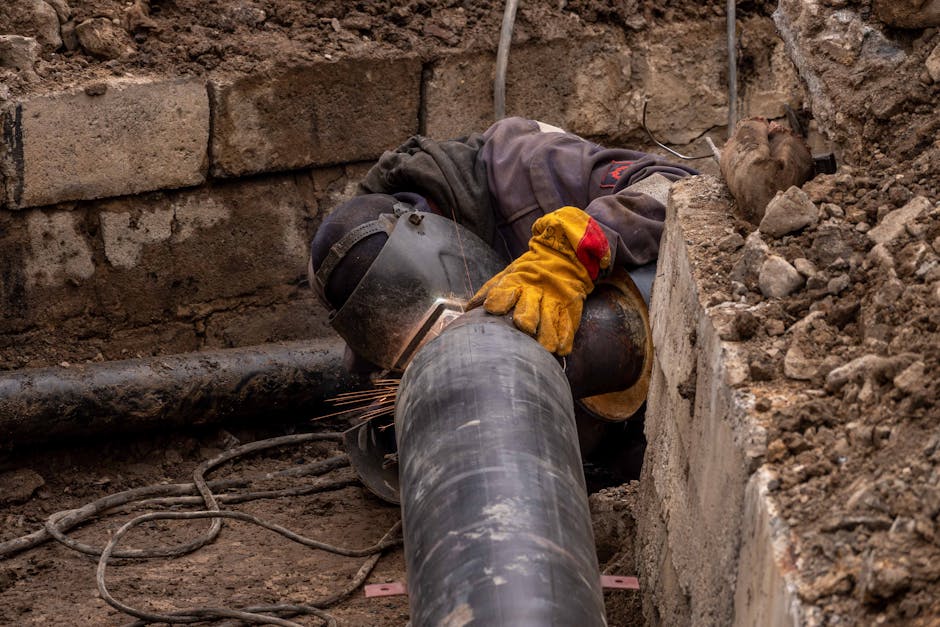
- The UAE pipeline project is bypassing the Strait of Hormuz, reducing reliance on a critical oil chokepoint.
- The pipeline will reroute millions of barrels away from the Strait of Hormuz and directly to the open ocean via Fujairah.
- The UAE’s new pipeline project is nearly 50% complete and will significantly impact global energy logistics.
- The pipeline will extend from Habshan to the Fujairah Oil Terminal on the Gulf of Oman, covering approximately 360 kilometers.
- The project marks a transformative shift in energy logistics, with a designed capacity of up to 1.8 million barrels per day.
On the eastern edge of the Arabian Peninsula, where the jagged Hajar Mountains meet the shimmering Gulf of Oman, a quiet revolution is unfolding beneath the desert sands. Heavy machinery drones day and night through the arid wadis, carving a path for a new pipeline that promises to reshape the geopolitics of global energy. This is not just infrastructure; it is a calculated act of strategic foresight. For decades, the Strait of Hormuz has served as the world’s most critical oil chokepoint, with nearly one-third of seaborne oil passing through its narrow waters—waters fraught with tension, naval skirmishes, and the ever-present shadow of conflict. Now, the United Arab Emirates is building its way out, constructing a pipeline that will reroute millions of barrels away from that flashpoint and directly to the open ocean via the emirate of Fujairah.
Halfway to Energy Independence

The UAE’s new pipeline project, which will bypass the Strait of Hormuz entirely, is now nearly 50% complete, according to official statements from the Abu Dhabi National Oil Company (ADNOC). Once finished, the pipeline will extend from the oil fields near Habshan to the Fujairah Oil Terminal on the Gulf of Oman, a distance of approximately 360 kilometers. With a designed capacity of up to 1.8 million barrels per day—nearly the entirety of the UAE’s crude exports—the project marks a transformative shift in energy logistics. Fujairah, long a hub for bunkering and storage, is now poised to become a major export node, insulated from the maritime risks of the Strait. ADNOC has already begun utilizing an existing segment of the pipeline network to redirect some crude flows, a move that has quietly bolstered the country’s operational resilience amid regional volatility. International energy analysts note that this capacity could be crucial during moments of geopolitical strain, such as past tanker seizures or Iranian naval posturing.
The Long Road to Diversification

The roots of this pipeline project stretch back over a decade, born from a recognition that overreliance on a single maritime corridor posed an existential risk to the UAE’s economy and global energy role. The 2019 attacks on oil tankers near the Strait of Hormuz, widely attributed to Iran, served as a catalyst, but the planning began much earlier. In 2008, the UAE initiated the original Habshan-Fujairah pipeline, known as the UAE pipeline, with a capacity of 1.5 million barrels per day. However, maintenance, technical limitations, and security concerns limited its full utilization. The current expansion and modernization effort upgrades pumping stations, integrates advanced monitoring systems, and reinforces the pipeline’s physical security. This effort aligns with a broader national strategy to diversify energy export routes, reduce vulnerability to asymmetric threats, and assert the UAE’s position as a reliable supplier in an unpredictable region. The project also complements investments in liquefied natural gas and renewable energy, signaling a long-term pivot toward resilient, multi-path energy infrastructure.
The Architects of Energy Security

The vision behind the pipeline has been driven by a coalition of Emirati energy strategists, engineers, and policymakers who view energy security as inseparable from national sovereignty. Sultan Al Jaber, CEO of ADNOC and UAE Minister of Industry and Advanced Technology, has been a central figure in advancing this initiative, framing it as both a commercial necessity and a geopolitical imperative. Behind the scenes, teams of international consultants and engineering firms, including Bechtel and Petrofac, have collaborated with local experts to navigate the technical challenges of desert construction, seismic resilience, and environmental compliance. Their work reflects a dual mandate: to deliver a robust physical asset while signaling to global markets that the UAE can safeguard its exports even in times of regional crisis. This project is not merely about moving oil—it is about projecting confidence, stability, and technological sovereignty in a region where perception shapes market behavior as much as physical capacity.
Implications for Markets and Geopolitics

The completion of the pipeline will have far-reaching consequences for global oil markets, regional security dynamics, and the UAE’s diplomatic leverage. By enabling exports from the east coast, the UAE reduces its dependence on the Strait of Hormuz, potentially undermining the strategic value of any blockade or disruption attempts by regional adversaries. For international buyers, particularly in Asia, the Fujairah route offers a more direct and secure access point, possibly influencing pricing and shipping logistics. Moreover, the expansion strengthens Fujairah’s role as a global energy hub, attracting investment in storage, refining, and marine services. However, the project also raises questions about environmental risks, including potential leaks in ecologically sensitive areas and the long-term sustainability of fossil fuel infrastructure. While the UAE touts the pipeline as a move toward stability, critics argue it entrenches reliance on hydrocarbons at a time when the world is striving to decarbonize.
The Bigger Picture
This pipeline is more than an engineering feat—it is a symbol of how energy infrastructure has become frontline defense in 21st-century geopolitics. As global powers compete for influence and climate change intensifies pressure to transition away from oil, the UAE is betting that control over logistics will be as critical as control over reserves. Similar projects, such as Saudi Arabia’s east-west pipeline and planned routes in Oman, suggest a regional trend toward bypassing chokepoints. In this context, the UAE’s progress is not just a national achievement but a bellwether for how petro-states are adapting to an era of volatility, where pipelines can be as strategic as pipelines of data or diplomacy.
What comes next is not just the final stretch of pipe, but how the UAE leverages this infrastructure to shape its future. With the project on track for completion in the next two to three years, the country is positioning itself as a resilient energy supplier in an unstable world. Yet, the long-term test will be balancing this fossil fuel investment with its growing commitments to clean energy and net-zero ambitions. The desert may be silent, but the message beneath it is loud and clear: the future of power flows not just through the sea, but through the land.
Source: CNBC