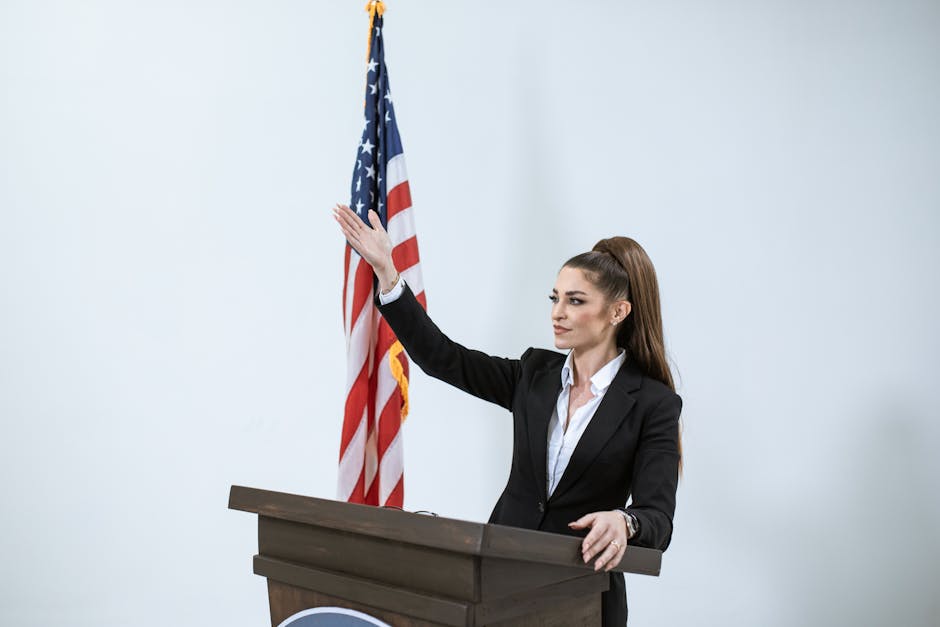
- Donald Trump joked about running for Israeli prime minister, sparking debate over his role in Middle East diplomacy.
- Trump’s comment is not a formal announcement, as he lacks Israeli citizenship and residency.
- Trump’s recognition of Jerusalem as Israel’s capital is a key policy that may influence his hypothetical bid.
- Trump’s 99% approval claim in Israel is likely an exaggeration, though he maintains a certain level of popularity.
- The joke raises questions about Trump’s intentions and the boundaries between politics and satire.
Could a former U.S. president run for prime minister of Israel? That’s the question reverberating across political circles after Donald Trump quipped that he might launch a campaign for Israel’s highest office, citing what he described as 99% approval in the country. The comment, delivered in his trademark rhetorical style during a public gathering in Florida, quickly went viral, blurring the lines between political satire and geopolitical signaling. While clearly framed as humor, the remark has reignited debate over Trump’s outsized role in Middle East diplomacy and his enduring appeal among certain global constituencies. What does it mean when a former American leader jokes about assuming leadership in a foreign nation amid ongoing regional tensions?
Did Trump Seriously Suggest a Run for Israeli PM?

Donald Trump did not formally announce a candidacy for Israeli prime minister—such a move would be constitutionally and logistically impossible, given he is not an Israeli citizen and has no residency or electoral eligibility in the country. However, during a speech at the Palm Beach County GOP dinner on March 1, 2024, Trump declared, “I could run for prime minister of Israel, and I’d win by a landslide—I have 99% approval there!” The audience erupted in laughter and applause. While delivered as a punchline, the statement reflects a deeper narrative Trump has cultivated: that his policies, particularly recognizing Jerusalem as Israel’s capital and brokering the Abraham Accords, have made him a hero in Israeli public opinion. His comment, though humorous, taps into real political capital he believes he holds in the region.
What Evidence Supports Trump’s Claim of Popularity in Israel?

While no recent Israeli poll shows exactly 99% approval for Trump, several surveys do indicate he enjoys strong favorability among a significant portion of the Israeli public, particularly within right-wing and religious communities. A 2023 Peace Index poll conducted by the Israel Democracy Institute found that 68% of Israeli Jews viewed Trump favorably, with approval nearing 80% among supporters of Prime Minister Benjamin Netanyahu’s Likud party. This aligns with Trump’s foreign policy record, which included moving the U.S. embassy to Jerusalem, withdrawing from the Iran nuclear deal, and facilitating normalization agreements between Israel and Arab states like the UAE and Bahrain. Reuters has reported that many Israeli officials credit Trump with reshaping regional dynamics in Israel’s favor. While his approval is far from universal—especially among Arab citizens of Israel and left-leaning Israelis—his base of support remains robust and politically consequential.
Are There Critics of Trump’s Influence in Israeli Politics?

Despite his popularity among certain segments, Trump’s influence in Israel is not without controversy. Critics argue that his confrontational approach to diplomacy, particularly his abandonment of the two-state solution framework, has deepened divisions and undermined long-term peace prospects. Some Israeli analysts warn that romanticizing Trump’s tenure risks normalizing unilateralism and eroding trust with Palestinian partners and U.S. allies. In 2021, the BBC noted that Trump’s policies were seen by many in the Palestinian territories as deeply biased, further entrenching occupation and settlement expansion. Moreover, equating domestic American political rhetoric with leadership aspirations in a foreign democracy raises ethical questions about interference and the blurring of national boundaries in political branding. Skeptics see Trump’s joke not as harmless banter, but as emblematic of a broader trend: the globalization of populist nationalism.
How Could Trump’s Rhetoric Impact U.S.-Israel Relations?

Trump’s continued commentary on Israel has real diplomatic weight, especially as he campaigns for a potential 2024 presidential rematch. His rhetoric reinforces a vision of U.S.-Israel relations rooted in unwavering support, which resonates with Republican and evangelical voters but may complicate future administrations’ ability to mediate impartially. For instance, his endorsement of annexation and rejection of Palestinian statehood contrasts sharply with Biden administration policy. If re-elected, Trump could reshape aid, intelligence sharing, and diplomatic positioning toward the region. Domestically, his remarks energize his base but also deepen partisan divides over foreign policy. Internationally, they signal that American engagement may hinge less on multilateral consensus and more on personal alliances—a shift that could destabilize fragile peace efforts and embolden hardline actors on all sides of the conflict.
What This Means For You
For American and global citizens, Trump’s joke underscores how political figures now operate beyond national borders, leveraging symbolic capital in foreign policy arenas. It reflects a world where rhetoric, even in jest, can influence international perceptions and diplomatic dynamics. As the 2024 U.S. election approaches, voters should consider how candidates’ relationships with foreign nations are built—not just through statecraft, but through performative gestures and populist appeals. The line between humor and policy is increasingly thin, and its consequences are anything but funny.
Will future leaders be judged by their domestic records alone, or by their global fan base and social media popularity? As nationalism and digital influence converge, the idea of a foreign leader joking about running another country’s government may become less absurd—and more a reflection of a new political reality.
Source: Al Jazeera